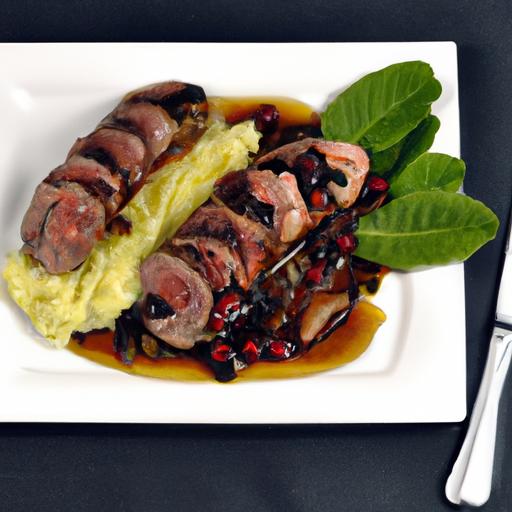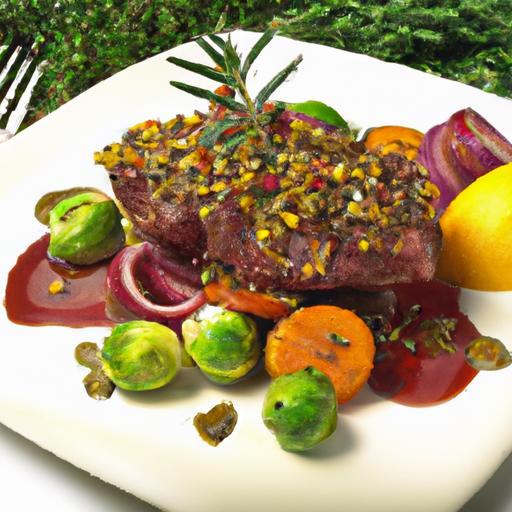
Nestled within the rich tapestry of Argentine cuisine lies a culinary gem that frequently enough escapes the global spotlight-matambre. This flavorful, thinly sliced cut of beef is more than just a humble cut; it’s a canvas for tradition, creativity, and bold flavors that tell a story of argentina’s vibrant food culture. In “Matambre Uncovered: Argentina’s Savory Hidden Cut Delight,” we delve into the origins, planning, and irresistible appeal of this savory specialty, inviting you to discover why this hidden treasure deserves a place on your table and in your culinary repertoire.
Matambre uncovered is not just a recipe but an invitation to experience Argentina’s rich culinary heritage through one of its most beloved hidden cuts. This thin, flavorful flank steak, traditionally rolled and stuffed, carries stories of family gatherings, lively grill fires, and rustic countryside meals. Its versatility makes it a fantastic dish to master, offering layers of savory, herbaceous, and bright notes that dance on the palate. Whether you’re new to Argentine cuisine or a seasoned foodie craving authentic flavors, learning to prepare Matambre at home will elevate your cooking and impress any dining companion.
Prep and Cook Time
- Preparation: 30 minutes
- Marinating: 2 to 4 hours (optional but recommended)
- Cooking: 1 hour
- Total: Approximately 2.5 to 5 hours
Yield
Serves 6 to 8 guests generously
Difficulty Level
Medium – requires attention to rolling and timing,but perfect for home cooks looking to explore authentic Argentine flavors.
Ingredients
- 2.5 lbs (1.1 kg) beef flank steak (matambre), trimmed and butterflied
- 1 cup fresh spinach leaves, washed and lightly sautéed
- 1 medium carrot, peeled and julienned
- 6 hard-boiled eggs, peeled and halved lengthwise
- 4 cloves garlic, thinly sliced
- 1 cup grated mozzarella cheese (optional for a creamy layer)
- 1/4 cup fresh parsley, finely chopped
- 1/4 cup olive oil
- Juice of 1 lemon
- Salt and freshly ground black pepper, to taste
- 1 tsp crushed red pepper flakes (optional for mild heat)
- Kitchen twine or toothpicks for rolling
- Aluminum foil for resting and baking
instructions
- Prepare the Matambre: Place the flank steak between two sheets of plastic wrap and gently pound it with a meat mallet until uniformly about 1/4 inch thick, taking care not to tear it. This ensures even cooking and easier rolling.
- Season: Sprinkle both sides generously with salt, pepper, and red pepper flakes. Allow to rest at room temperature for 15 minutes to absorb the seasoning.
- Layer the filling: Lightly brush the meat surface with olive oil, then evenly spread the sautéed spinach, julienned carrot, garlic slices, parsley, and mozzarella cheese (if using) over the entire flattened steak.
- Add hard-boiled eggs: Arrange the halved eggs lengthwise across the steak’s surface, spacing them evenly – these will become the centerpiece of your rolled matambre.
- Roll tight: Starting from one long edge, carefully roll the steak around the filling into a tight cylinder. Secure firmly with kitchen twine or toothpicks to maintain shape during cooking.
- Sear the roll: Heat 2 tablespoons of olive oil in a large oven-safe skillet over medium-high heat. Sear the matambre roll on all sides until golden brown, roughly 3 minutes per side.This caramelization locks in flavor.
- bake: Transfer the skillet to a preheated oven at 325°F (160°C). Cover the roll with foil and bake for 45 minutes to 1 hour, basting occasionally with pan juices to keep it moist.
- Rest and slice: Remove from oven, wrap loosely in foil, and let rest for 15 minutes. This step allows juices to redistribute, ensuring tender slices.
- Serve: Thinly slice crosswise to reveal colorful layers of egg and vegetables. Garnish with fresh parsley and a drizzle of lemon juice or chimichurri for an authentic argentine touch.
Chef’s Notes and Tips for Success
- Marinating advantage: For deeper flavor, marinate the flattened steak in olive oil, lemon juice, garlic, and herbs for 2-4 hours before layering the filling.
- Vegetarian twist: Substitute the beef with large eggplants or zucchini slices for a lighter, meat-free alternative that still captures the layered essence.
- Rolling tip: Use a clean kitchen towel to help roll tightly and prevent filling from spilling out.
- Make ahead: Prepare the roll a day ahead, refrigerate, then bake just before serving to save time without sacrificing freshness.
- Leftover love: Cold slices of matambre are appetizing in sandwiches or salads – a perfect next-day treat.
Serving Suggestions
Present the sliced matambre on a rustic wooden board or a large ceramic platter accompanied by vibrant traditional Argentine sides:
- Chimichurri sauce: A tangy, herbaceous drizzle that complements the richness
- Grilled provoleta cheese: melted and seasoned with oregano and chili flakes
- Fresh mixed salad: Crisp romaine, tomatoes, and red onions dressed simply with olive oil and vinegar
- Roasted potatoes: Crispy on the outside, tender inside, seasoned with rosemary and garlic
Pair with bold Argentine Malbec or a refreshing Torrontés to enhance the meal’s full-bodied flavors.

| Nutrient | Amount Per Serving |
|---|---|
| Calories | 320 kcal |
| Protein | 40 g |
| Carbohydrates | 6 g |
| Fat | 15 g |
Discover how to elevate your grilled meats further in our Argentine Parilladas Guide. for a deeper history and cultural insight, visit the Encyclopaedia Britannica’s detailed Matambre entry.
Q&A
Q&A: Matambre Uncovered – Argentina’s Savory Hidden Cut Delight
Q1: What exactly is Matambre?
A1: Matambre is a lesser-known yet beloved cut of beef from argentina, nestled quietly between the skin and the ribs. Its name, derived from Spanish-“mata” (to kill) and “hambre” (hunger)-literally means “hunger killer,” a fitting tribute to its hearty, satisfying nature. It’s a thin, flavorful piece that’s perfect for rolling, grilling, or slow cooking, delivering a tender bite packed with robust taste.Q2: Why is Matambre considered a “hidden cut”?
A2: Unlike popular cuts such as ribeye or sirloin,Matambre isn’t typically spotlighted on global steakhouse menus. It’s a prized cut in Argentine kitchens and traditional asados (barbecues), yet remains under the radar internationally. because it sits in an unconventional spot on the cow and requires a bit of savvy preparation, it’s often overlooked outside of South America-hence its reputation as a “hidden” gem.
Q3: How is Matambre traditionally prepared in Argentina?
A3: argentines embrace creativity with Matambre. One iconic preparation is Matambre a la pizza, where the meat is grilled and topped with tomato sauce, cheese, and herbs-like a meaty, smoky pizza. Another beloved method is Matambre arrollado, a rolled roast stuffed with vegetables, herbs, and sometimes hard-boiled eggs, slow-cooked or grilled to perfection.Its versatility allows it to shine in both simple and elaborate dishes.Q4: What flavor profile can one expect from Matambre?
A4: Expect a rich, beefy flavor that’s both tender and slightly chewy, with a satisfying bite. The thinness of the cut allows marinades and seasonings to seep deep, lending a savory, sometimes smoky richness when grilled. When rolled with herbs and vegetables, layers of fresh, aromatic, and umami notes meld beautifully with the beef’s natural taste.
Q5: Can Matambre be replicated outside Argentina?
A5: While matambre is specific in its location on the cow, similar cuts exist elsewhere, such as the flank or the flank steak. However, authentic Matambre’s unique texture and thinness are best found in Argentinian butchers. Still, adventurous cooks worldwide have started experimenting with local equivalents, embracing its rollable nature and tender grilling potential.
Q6: What cultural meaning does matambre hold in Argentina?
A6: Matambre isn’t just food; it’s tradition on a plate. It’s a staple at family asados, festive gatherings that celebrate community and Argentine identity.Sharing Matambre-crafted dishes is a ritual of warmth and togetherness, embodying the country’s passion for beef, conviviality, and culinary pride. It’s a savory thread woven into Argentina’s rich gastronomic tapestry.
Q7: How can someone new to Matambre enjoy it at home?
A7: Start simple-try grilling thin slices with a chimichurri sauce, the fragrant herb blend that pairs beautifully with Argentine beef. For the adventurous, seek recipes for Matambre arrollado and try rolling the cut with spinach, carrots, and eggs, then slow roast or grill it. Pairing with a Malbec and a fresh salad will transport your taste buds straight to the pampas.
Matambre is more than a cut; it’s an invitation to explore Argentina’s culinary soul, blending tradition, flavor, and a touch of mystery all on one plate. Ready to uncover this savory secret?
The Conclusion
As we close the chapter on Matambre, Argentina’s savory hidden cut delight, one thing becomes clear: this humble yet flavorful dish is much more than a simple meal. It’s a culinary tapestry woven with history,culture,and a touch of rustic charm-an edible bridge connecting past traditions with present-day tables. Whether grilled,rolled with vibrant fillings,or sliced thin to accompany a Sunday asado,Matambre invites food lovers to savor a unique taste of Argentina’s rich gastronomic heritage. So next time you seek a dish that tells a story as bold and layered as its flavors, let Matambre lead the way-uncovered, unwrapped, and ready to delight your palate.