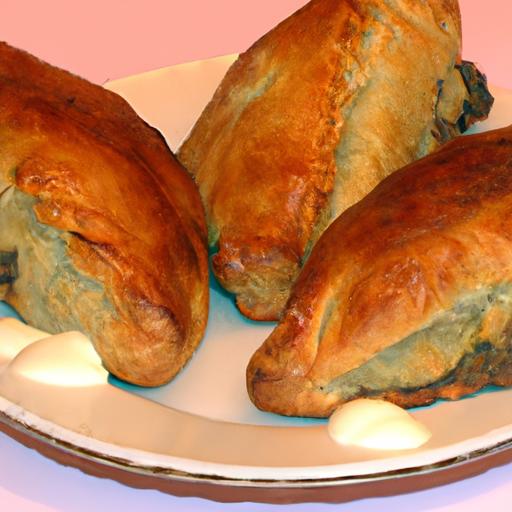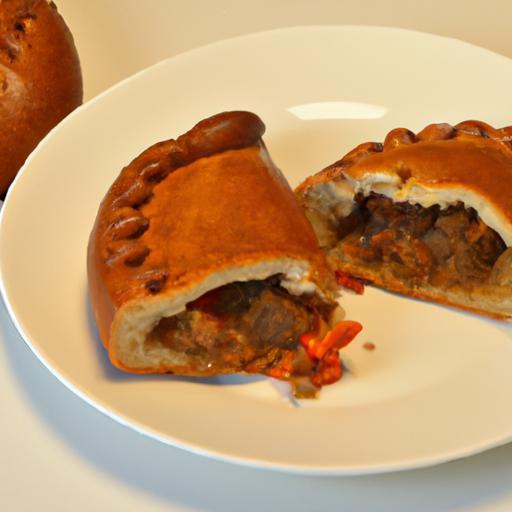
There’s something irresistibly comforting about sinking your teeth into a golden, flaky pastry filled with a hearty, savory bite-an experience that Russian cuisine has perfected with it’s beloved beef piroshki. These delightful pockets of flavor come in two classic varieties: baked and fried,each offering its own unique texture and richness. Whether crisp and golden from the fryer or tender and warm from the oven, savory Russian beef piroshki are more than just a snack-they’re a journey into a tradition that blends simple ingredients with centuries of culinary artistry. In this article, we’ll explore the origins, variations, and cooking techniques that make beef piroshki a timeless favorite, inviting you to discover how this humble pastry continues to captivate taste buds around the world.
Savory Russian Beef piroshki combine the irresistible comfort of rich, seasoned meat wrapped in tender, golden dough-a cherished staple in Eastern European kitchens. This hearty treat transcends its origins with every bite,embracing family traditions and the joy of sharing home-cooked delights.Whether baked to perfection or fried to a crispy finish, mastering this classic recipe invites you into a world where texture, aroma, and flavor harmonize beautifully.
Prep and Cook Time
- Preparation: 45 minutes
- Rising time: 1 hour
- Cooking (baking or frying): 20-25 minutes
- Total: Approximately 2 hours
Yield
- Makes 18 medium-sized piroshki
Difficulty Level
- Intermediate – approachable for home cooks ready to explore yeast dough techniques and savory fillings
Ingredients
- For the dough:
- 4 cups all-purpose flour, sifted
- 1 cup whole milk, warm (110°F/43°C)
- 2 ¼ teaspoons active dry yeast (one packet)
- 3 tablespoons unsalted butter, melted
- 2 tablespoons granulated sugar
- 1 teaspoon salt
- 1 large egg
- For the traditional savory beef filling:
- 1 lb ground beef (preferably chuck for juiciness)
- 1 medium onion, finely chopped
- 2 cloves garlic, minced
- 1 tablespoon vegetable oil
- salt and freshly ground black pepper, to taste
- 1 teaspoon smoked paprika (optional for depth)
- Fresh parsley, finely chopped (2 tablespoons)
- For brushing:
- 1 egg, beaten (for baked piroshki)
- Vegetable oil, for frying
Instructions
- Activate the yeast: In a small bowl, combine the warm milk, sugar, and yeast. Let it sit for 5-10 minutes until foamy. If it doesn’t foam,your yeast may be inactive-try fresh yeast for better rise.
- Make the dough: In a large mixing bowl, combine the sifted flour and salt. Add the activated yeast mixture, melted butter, and egg. Mix until a shaggy dough forms.
- Knead the dough: Turn the dough onto a lightly floured surface and knead for 8-10 minutes until smooth and elastic. Use gentle but firm pressure to develop the gluten structure that gives piroshki their characteristic chew.
- First rise: Place the dough in a greased bowl, cover with a damp cloth or plastic wrap, and let it rise in a warm draft-free area for about 1 hour or until doubled in size.
- Prepare the filling: While the dough rises, heat oil in a skillet over medium heat. Add onions and sauté until translucent, about 5 minutes. Add garlic and cook for 1 minute until fragrant.
- Add the ground beef, breaking it apart with a spatula. Cook until browned and fully cooked, about 7-8 minutes.Season with salt, pepper, and smoked paprika.Stir in chopped parsley and remove from heat.allow to cool slightly before filling.
- Shape the piroshki: Punch down the risen dough and turn onto a floured surface. Divide into 18 equal pieces. Roll each piece into a ball, then flatten into a 4-inch oval.
- Place 1-2 tablespoons of the beef filling onto the center of each oval. Fold the dough over the filling, pinching edges to seal fully-pinch twice for sturdiness.
- Choose your cooking method:
- Baking: Preheat oven to 375°F (190°C). Place piroshki seam-side down on parchment-lined baking sheets. Brush with beaten egg for that glossy golden crust.Bake for 20-25 minutes or until beautifully golden brown.
- Frying: Heat enough vegetable oil in a deep skillet or heavy-bottomed pot to 350°F (175°C). Fry piroshki in batches, turning occasionally, for 4-6 minutes each until puffed and crisp. Drain on paper towels.
- rest and serve: Allow piroshki to cool slightly to avoid burning tongues but enjoy them warm to best appreciate the tender dough and juicy filling contrast.
Chef’s notes & Tips for Success
- Dough texture: Proper kneading and warm rising conditions are crucial for a soft, pillowy dough. If your kitchen is cold, proof in the oven set to ‘Proof’ mode or near a warm appliance.
- savory filling alternatives: Swap beef for shredded chicken with sautéed mushrooms, or try a vegetarian combo of caramelized onions, potatoes, and hard cheese for a twist.
- Make ahead: Prepare dough and filling a day in advance. Keep dough refrigerated overnight, allowing flavors to deepen, but bring to room temperature before shaping.
- Frying tips: Maintain oil temperature to prevent greasy piroshki-use a thermometer for accuracy.
- Storage: Refrigerate leftovers in an airtight container for up to 3 days.Reheat in a lightly oiled skillet or oven to restore crispness.
Serving Suggestions and pairing Ideas for Every Occasion
Serve your Savory Russian Beef Piroshki hot with a variety of accompaniments to elevate the experience. A dollop of sour cream or a sprinkle of fresh dill makes for a traditional and refreshing garnish. Pair with a vibrant cucumber and tomato salad tossed in a light vinaigrette for bright contrast. For cozy dinners, a hearty borscht or a creamy mushroom soup complements the richness perfectly.
For casual gatherings, present piroshki on rustic wooden boards beside bowls of tangy mustard and horseradish sauces. They’re delightful finger foods that invite sharing and storytelling, capturing the warm spirit of communal dining.
| Nutrient | Per Piroshki |
|---|---|
| Calories | 210 kcal |
| Protein | 11 g |
| Carbohydrates | 22 g |
| Fat | 8 g |
Discover more comforting dough-based delights in our traditional Russian Culinary Recipes collection. For expert insights on yeast doughs, see this detailed King Arthur Baking guide.

Q&A
Q&A: Savory Russian Beef Piroshki – Baked & Fried Delight
Q1: What exactly are piroshki?
A: Piroshki (singular: pirozhok) are classic Russian stuffed pastries, beloved comfort food that come in both baked and fried varieties.These little pockets of joy are usually filled with savory ingredients like beef,potatoes,mushrooms,or cabbage,but can also be sweet. They’re essentially Russia’s answer to handheld pies,perfect for snacking or a hearty meal.
Q2: What makes beef piroshki so special?
A: Beef piroshki combine tender, savory ground beef with aromatic onions and herbs, wrapped in a soft, golden dough. The result is a rich,meaty filling that’s both comforting and satisfying. This blend of flavors and textures is what makes beef piroshki a timeless favorite in Russian households.Q3: How do baked piroshki differ from fried ones?
A: While both baked and fried piroshki share the same filling, their textures couldn’t be more different. Baked piroshki have a soft,pillowy crust with a subtle golden touch. Fried piroshki boast a crispy, golden-brown shell that adds a delightful crunch. The choice between baked or fried often comes down to personal preference or health considerations.
Q4: Can piroshki be made ahead of time?
A: Absolutely! Piroshki dough and filling can both be prepared in advance. The dough can be refrigerated or even frozen, and the filling keeps well in the fridge. When you’re ready, simply assemble and bake or fry. This makes piroshki a fantastic make-ahead snack or party treat.
Q5: What are some tips for perfect piroshki dough?
A: For tender, fluffy piroshki dough, use warm milk and let your yeast proof properly to get a good rise. Knead until smooth and elastic,then allow adequate time for the dough to double in size.You want it soft, but not sticky. Also, brushing baked piroshki with an egg wash before baking gives them that irresistible golden sheen.
Q6: Are there variations of beef filling used in Russian piroshki?
A: Definitely! Traditional beef fillings often mix ground beef with sautéed onions, garlic, and sometimes mushrooms or rice for added texture.Some regional recipes add a dash of dill or parsley, or even a hint of sour cream to keep the filling juicy and rich.
Q7: What’s the best way to serve piroshki?
A: Piroshki are wonderfully versatile. Serve them warm, fresh out of the oven or fryer, alongside a dollop of sour cream or a side of pickled vegetables for a classic Eastern European touch. They also pair wonderfully with hearty soups like borscht or shchi as part of a comforting meal.
Q8: Can piroshki dough be used for other recipes?
A: Yes! This enriched yeast dough is incredibly versatile and can be adapted for sweet buns,cinnamon rolls,or other filled pastries. It’s a great base dough to master for a variety of Russian and Eastern European baked goods.
Q9: Are piroshki suitable for kids?
A: Most definitely. Piroshki’s mild flavors, hand-held size, and soft or crispy textures make them a kid-pleasant favorite. Just avoid overly spicy fillings, and you have a perfect lunchbox treat or after-school snack.
Q10: Where did the tradition of piroshki originate?
A: piroshki’s roots trace back to ancient Slavic culinary traditions. The word itself comes from “pirog,” meaning pie.Over centuries, Russian peasants perfected these portable pastries as a nourishing, easy-to-carry meal, especially favored by travelers and workers. Today, piroshki remain a delicious symbol of rustic Russian hospitality.
In Retrospect
Whether you choose to savor your Russian beef piroshki baked to golden perfection or delight in the crispy charm of their fried counterpart, these savory pastries offer a rich tapestry of flavors that celebrate tradition and comfort in every bite. Perfect as a hearty snack or a centerpiece for sharing, piroshki invite you to explore the warmth of Russian culinary heritage with each tender, flavorful pocket. So next time you’re craving a dish that marries history with indulgence,let these delightful piroshki be your guide-as sometimes,the simplest pleasures are wrapped in dough and filled with stories.