In the vibrant tapestry of Middle Eastern cuisine, few dishes capture the essence of tradition and flavor quite like Iraqi dolma. This beloved culinary gem, a medley of stuffed vegetables bursting with fragrant herbs, tender meats, and aromatic spices, invites diners on a sensory voyage through Iraq’s rich cultural heritage. More than just a meal, dolma is a celebration of community, history, and the art of balancing bold tastes with comforting familiarity. Join us as we unravel the savory layers of Iraqi dolma, exploring how each stuffed pepper, eggplant, and vine leaf tells a story steeped in time and terroir-a flavorful journey that promises to delight both palate and soul.
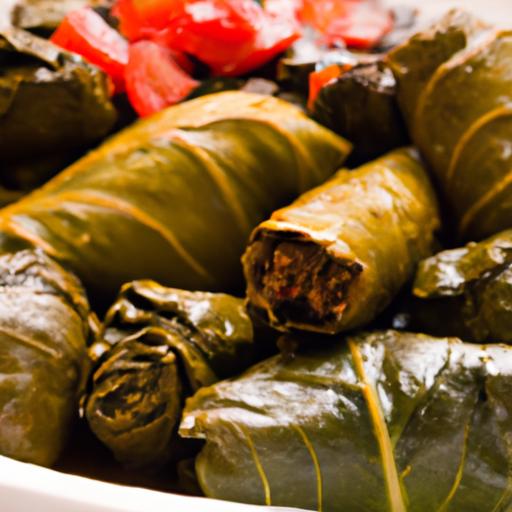
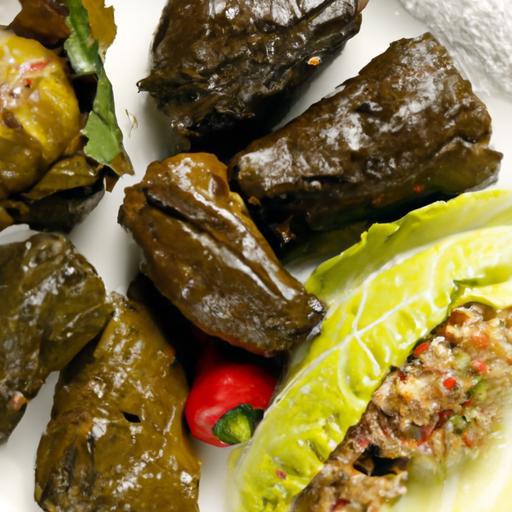
Savoring Iraqi Dolma introduces you to a treasured culinary emblem from Iraq,where vibrant vegetables embrace a hearty filling of spiced rice and tender meats.This dish is more than a recipe; it is indeed a layered narrative of communal gatherings, festive celebrations, and the rich agricultural heritage of Mesopotamia. Imagine the slow simmer of stuffed grape leaves, bell peppers, zucchinis, and eggplants harmonizing with aromatic herbs-a sensory journey that connects you to centuries-old traditions.
Origins and Cultural Significance of Iraqi Dolma
Iraqi Dolma, a cornerstone of Middle Eastern cuisine, traces its roots to the fertile lands between the Tigris and Euphrates rivers.The word “Dolma” originates from the Turkish verb “dolmak,” meaning “to be stuffed.” Over generations, iraqi families customized this dish with local produce and spices, making it a symbol of hospitality and communal joy. It often graces the dinner table during religious festivals, weddings, and family reunions, reflecting a profound respect for seasonal bounty and ancestral culinary wisdom.
Essential Ingredients That Define Authentic Flavors
- Vegetables: Medium-sized zucchinis, eggplants, bell peppers, onions, and grape leaves (fresh or jarred)
- Meat: Lean ground lamb or beef (optional for vegetarian variations)
- Rice: Short-grain or medium-grain rice, rinsed and soaked
- Herbs & Spices: Fresh parsley, dill, mint; ground allspice, cinnamon, black pepper, and salt
- Tomato paste and sumac for tangy depth
- Lemon juice and olive oil to brighten and bind flavors
Prep and Cook Time
- Planning: 50 minutes
- Cooking: 1 hour 20 minutes (simmering gently)
- Total Time: Approximately 2 hours 10 minutes
Yield
Serves 6-8 generous portions, perfect for sharing around the table.
difficulty Level
Medium – Requires attention to detail and timing but yields a richly rewarding dish.
Step-by-Step Guide to Preparing Traditional Iraqi Dolma
- Prepare the vegetables: Hollow out zucchinis, eggplants, and bell peppers carefully to create vessels for stuffing. Blanch grape leaves in hot water for 2 minutes to soften, then drain.
- Mix the filling: In a large bowl, combine ground lamb or beef (if using) with rinsed rice, finely chopped onions, minced parsley, dill, mint, tomato paste, lemon juice, and spices. Stir thoroughly to blend ingredients evenly.
- Stuff the veggies and grape leaves: Gently fill each hollowed vegetable and grape leaf with the rice mixture.Be careful not to overfill-leave room for rice expansion. Fold grape leaves tightly to seal.
- Layer your pot: Arrange some grape leaves or cabbage leaves at the bottom to prevent sticking. Place stuffed vegetables upright and packed snugly.
- Add cooking liquid: Mix water with lemon juice and tomato paste, then pour gently into the pot until the Dolma are just covered.
- Cook slowly: Cover the pot with a lid and simmer on low heat for about 1 hour to 1 hour 20 minutes until rice and meat are tender and flavors meld beautifully. Weigh down the dolmas with a plate to keep them intact.
- Rest and serve: Let the Dolma cool slightly before plating to allow flavors to settle and help them hold shape.
Tips for Pairing Dolma with Complementary Dishes and Beverages
To elevate your culinary experience, serve Iraqi Dolma alongside traditional iraqi fattoush salad or a cool cucumber-mint yogurt dip. The fresh,tangy notes balance the rich,spiced filling perfectly. For beverages, opt for chilled mint tea or a sparkling pomegranate juice to refresh the palate and accentuate the dolma’s layered flavors.
Chef’s Notes & Tips for Success
- Vegetarian variation: Replace meat with finely chopped mushrooms or walnuts mixed with rice to maintain texture and depth.
- Rice soaking: Soaking rice for 20-30 minutes before mixing helps achieve perfect tenderness without breaking down during cooking.
- Wrapping grape leaves: roll firmly but gently to prevent tearing during simmering.
- Advance prep: Dolma can be made a day ahead; flavors deepen overnight when refrigerated and warmed gently before serving.
- Simmering tip: Keep heat low and avoid boiling vigorously to maintain the structure and prevent cracking.
Serving Suggestions
Arrange Dolma on a large serving platter, garnished with fresh parsley sprigs and lemon wedges for an inviting burst of color. Drizzle with a little olive oil and a sprinkle of sumac for extra tang. Accompany with warm flatbread to scoop up every luscious bite, and serve seasonal pickles to add a crisp contrast.

| Nutrition | Per serving |
|---|---|
| Calories | 310 kcal |
| Protein | 18 g |
| Carbohydrates | 30 g |
| Fat | 12 g |
For authentic flavor insights and deeper cultural context visit Britannica’s Iraqi cuisine overview.
Q&A
Q&A: Savoring Iraqi Dolma: A Flavorful Journey of Stuffed Veggies
Q1: What is Iraqi dolma, and why is it such a beloved dish?
A1: Iraqi dolma is a traditional culinary treasure consisting of vegetables lovingly stuffed with a fragrant mixture of rice, herbs, and spiced meat, usually lamb or beef. This dish is beloved for its vibrant flavors, comforting textures, and its role as a centerpiece in family gatherings and festive celebrations. Each bite tells a story of Iraqi heritage, blending aromatic spices and fresh ingredients into a harmonious, savory experience.
Q2: Which vegetables are typically used in Iraqi dolma?
A2: Iraqi dolma showcases a colorful medley of vegetables such as zucchinis, eggplants, tomatoes, bell peppers, onions, and sometimes even cabbage leaves. These vegetables serve as natural vessels, holding the sumptuous filling while absorbing the rich, slow-cooked flavors, creating a delightful contrast between tender veggies and savory stuffing.Q3: What are the key flavors and spices that define the filling?
A3: The filling of Iraqi dolma is a vibrant tapestry of spices like cinnamon, allspice, turmeric, and sometimes a hint of cumin, combined with fresh parsley, mint, and dill. This fragrant blend is typically mixed with minced meat and rice,creating a balanced mixture that is both hearty and aromatic. Garlic and tomato paste often add depth and a subtle tang to the filling.
Q4: How is Iraqi dolma traditionally cooked?
A4: After stuffing, the vegetables are tightly packed into a pot, layered meticulously to maintain their shape. The pot is then gently simmered in a savory broth infused with lemon juice or tamarind, which imparts a gentle acidity that brightens the richness of the dish.Slow cooking allows the flavors to meld beautifully and the vegetables to soften without falling apart.
Q5: Can Iraqi dolma be adapted for vegetarian or vegan diets?
A5: Absolutely! While traditionally made with meat, Iraqi dolma can be wonderfully adapted for vegetarian or vegan diets by replacing meat with a hearty mix of rice, lentils, chickpeas, or mushrooms, seasoned with the same rich spices and fresh herbs.This variation maintains the essence and soul of the dish while offering a plant-based alternative.
Q6: What cultural significance does dolma hold in Iraqi cuisine?
A6: Dolma is more than just food in Iraqi culture-it’s a symbol of hospitality, celebration, and family unity. Preparing dolma is frequently enough a communal activity, bringing generations together in kitchens filled with laughter and stories. This dish carries the warmth of Iraqi homes and the legacy of shared traditions passed down through centuries.
Q7: How can someone new to Iraqi cuisine best enjoy dolma?
A7: For newcomers, savoring Iraqi dolma is about appreciating the layers of flavor and the care embedded in each stuffed vegetable. Pair it with a side of fresh flatbread and a simple salad of cucumbers and mint yogurt, and let the dish’s aromatic warmth transport you to the bustling markets and cozy homes of Iraq.taking the time to notice the interplay between spices, textures, and acidity will deepen your appreciation for this authentic culinary gem.
Q8: Any tips for making perfect Iraqi dolma at home?
A8: Patience is key! Choose fresh, firm vegetables and ensure the filling is well-seasoned but not overstuffed to prevent bursting during cooking. Using a heavy pot for slow simmering helps meld the flavors beautifully. don’t rush the resting time after cooking; letting the dolma sit for a bit allows the juices to redistribute, enhancing its taste even more.
Savoring Iraqi dolma is not just about tasting a delicious dish-it’s about embarking on a flavorful journey through history, culture, and the comforting art of stuffed vegetables that have delighted palates for centuries.
The Conclusion
As we close the chapter on our flavorful journey through Iraqi dolma, it’s clear that this humble dish is much more than just stuffed vegetables. Each bite carries the rich tapestry of Iraqi heritage-infused with aromatic spices, tender meats, and the loving hands that prepare it.Savoring dolma is to taste history, culture, and community all wrapped in a delicate vine leaf or a plump bell pepper. Whether enjoyed at a festive gathering or a quiet family meal, Iraqi dolma invites us to slow down and appreciate the artistry of tradition, one delicious morsel at a time.So next time you encounter this savory masterpiece,remember: you’re not just eating a dish-you’re embracing a flavorful story centuries in the making.