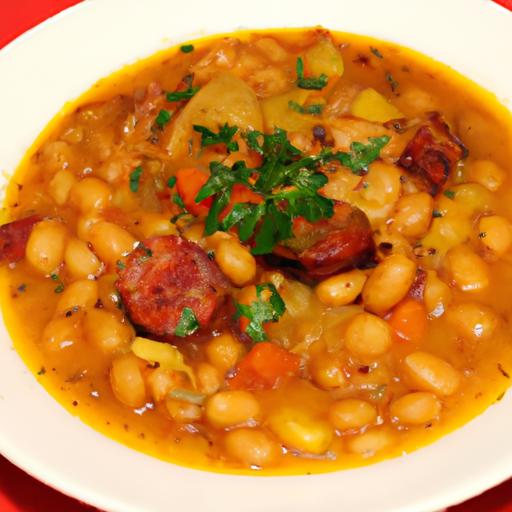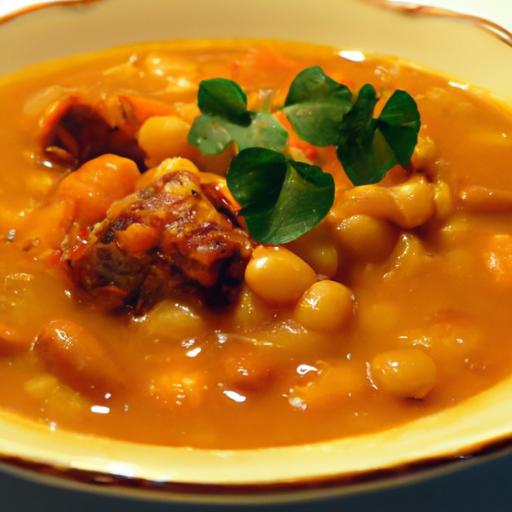
In the heart of Argentina’s culinary heritage simmers a dish as rich in history as it is indeed in flavor-Locro stew.this hearty,comforting pot of maize,beans,and tender meats is more than just a meal; its a vibrant celebration of tradition,community,and the land itself. Rooted in indigenous culture and seasoned by centuries of storytelling, Argentinian Locro invites us to gather around the table and savor a taste of the country’s soulful past, one spoonful at a time. join us as we explore the origins, variations, and enduring warmth of this iconic stew that continues to unite families and friends across generations.
Argentinian Locro Stew is a soulful emblem of heritage and warmth, a dish that carries the spirit of Argentina’s indigenous roots and colonial past in every hearty spoonful. This traditional stew, boasting a rich medley of corn, beans, and native squash, is more than just comfort food-it is indeed a celebration of community and resilience, especially cherished during national festivities like May 25th, Argentina’s Revolution Day. Drawing from generations of family recipes,this dish invites you to experience a harmony of textures and flavors that tell stories of the Andes and the Pampas,all simmered together to create a truly memorable meal.
Prep and Cook Time
- Preparation: 30 minutes
- Cooking: 2 hours 30 minutes
- Total Time: 3 hours
Yield
Serves 6-8 hearty portions, perfect for sharing with friends and family.
Difficulty Level
Medium – Requires attentive simmering and layering of flavors, but well worth the effort for its rewarding depth.
Key Ingredients That Define Authentic Locro Flavors
- Hominy corn (dried maize kernels) – the heart and soul, providing texture and creaminess.
- Yellow pumpkin or butternut squash – delivers natural sweetness and a velvety body.
- White beans – for subtle earthiness and protein balance.
- Beef brisket or chuck, chopped – enriches with tender, slow-cooked umami depth.
- Chorizo de vaca (beef chorizo) or smoked beef sausage – adds smoky spice, replacing traditional pork chorizo.
- Onions, garlic, and fresh chili (ají molido) – foundational aromatics and heat.
- Bay leaves and smoked paprika – essential to evoke authenticity and warmth.
- Vegetable oil or beef tallow – for classic sauté base.
Step-by-Step Guide to Preparing a traditional Locro
- soak the dried hominy corn and white beans overnight in cold water,allowing them to rehydrate fully.This not only shortens cooking time but ensures a creamy, tender texture.
- Drain and rinse the soaked beans and hominy thoroughly.
- Heat 3 tablespoons of vegetable oil (or beef tallow for richer flavor) in a large heavy-bottomed pot over medium heat.
- Add finely diced onions and minced garlic,sautéing until translucent and aromatic-about 5 minutes. Stir often to avoid browning too fast.
- Incorporate diced beef brisket and chorizo de vaca, cooking until browned on all sides, about 8-10 minutes. This seals in flavor and builds the stew’s robust base.
- Add diced yellow pumpkin, bay leaves, smoked paprika, and fresh chili flakes, stirring for 2 minutes to toast the spices.
- Pour in 6 cups of beef broth (or water with bouillon cubes), then add the soaked hominy and beans. Bring mixture to a boil, then reduce heat to low.
- Simmer slowly for about 2 to 2.5 hours, uncovered or partially covered, stirring occasionally to prevent sticking. The stew will thicken and the ingredients will meld beautifully.
- Adjust seasoning with salt and freshly ground black pepper about 30 minutes before finishing. For a luscious, creamy consistency, gently mash some of the hominy and pumpkin against the pot’s sides.
- Once thick and hearty, remove bay leaves and serve promptly, garnished with a drizzle of chili oil or a sprinkle of fresh parsley for color.
Tips for Success
- Balance your beans and hominy proportions for optimal texture; too much corn can dominate, while too many beans may overpower the stew’s character.
- If you cannot find beef chorizo, substitute with smoky paprika and cumin-spiced sausage made from lean beef or lamb to preserve the dish’s signature aroma.
- Patience is key: slow simmering unlocks the complex flavors and ensures tender meat and creamy veggies.
- Make-ahead friendly: Locro tastes even better the next day; refrigerate and gently reheat for a comforting afternoon meal.
- For a vegetarian variation, substitute meat with hearty mushrooms and extra smoked paprika to maintain depth.
Serving Suggestions and Pairing Ideas for a Complete Experience
This Argentinian locro stew shines when served with rustic crusty bread or homemade tortillas de maíz, perfect for scooping. A simple fresh green salad dressed lightly with olive oil and lemon balances the stew’s richness beautifully. for traditional flair,add a dollop of homemade ají molido salsa or a sprinkle of fresh cilantro.
Climate-chilly evenings call for pairing this dish with robust Argentine Malbec alternatives like a glass of Argentinian craft beer, which complements the stew’s smoky undertones without overpowering it.

| Nutrition per Serving | Calories | Protein (g) | Carbs (g) | Fat (g) |
|---|---|---|---|---|
| Argentinian Locro Stew | 420 | 28 | 45 | 12 |
For further exploration of authentic Argentine flavors, check out our article on Classic Argentine Grilled Beef Recipes, perfectly complementing your culinary journey.
Q&A
Q&A: Argentinian Locro Stew – A Hearty Taste of tradition
Q: What is Argentinian Locro, and why is it considered a national treasure?
A: Locro is a rich, thick stew that captures the soul of Argentinian heritage. Traditionally enjoyed during national holidays, this hearty dish combines indigenous ingredients and centuries-old cooking techniques, offering a delicious glimpse into Argentina’s regional flavors and communal spirit.
Q: What are the key ingredients that make locro distinctive?
A: Locro typically shines with a velvety blend of corn, white beans, and squash-often pumpkin or butternut-slow-cooked until they melt into a luscious base. Onions,garlic,and paprika add depth and warmth,while chunks of beef or lamb provide a satisfying meatiness that rounds out the dish.Q: How does locro differ from other stews found in Latin America?
A: While many Latin American stews incorporate similar staples like beans and corn, locro’s hallmark is its creamy texture and the unique harmony of Andean and Criollo influences. The use of squash as a significant component, combined with the particular spice profile, gives locro a comforting body unlike any other regional stew.Q: Is locro typically made with any special preparation methods?
A: Absolutely. Locro is often slow-simmered for several hours to allow all the flavors to interlace and the ingredients to fully soften. The process encourages a natural thickening as the starches from the corn and squash break down, creating that iconic thick and hearty texture beloved across Argentina.Q: Can locro be adapted for vegetarian diets without losing its traditional essence?
A: Yes, locro can beautifully embrace a vegetarian twist by focusing on beans, corn, and squash, complemented with aromatic herbs like oregano and cumin.The richness comes from the vegetables themselves,and a smoky touch from smoked paprika or a vegetable broth can add a delightful depth that honors tradition while remaining plant-based.
Q: What cultural meaning does locro hold in Argentina today?
A: More than just a meal, locro is a symbol of unity and celebration-commonly served during Argentina’s Independence Day and other patriotic festivities. Sharing a steaming bowl of locro connects peopel to their roots, weaving a culinary narrative that honors both indigenous heritage and the country’s diverse cultural tapestry.
Q: How is locro traditionally served at the table?
A: Locro is frequently enough accompanied by fresh bread or crusty rolls to soak up every drop of the savory stew. Some regions garnish it with a drizzle of chili pepper oil or a sprinkle of fresh herbs, adding brightness and a hint of heat that enhances its comforting character.
Q: What makes locro a perfect dish for colder seasons or gatherings?
A: Its warm, hearty nature makes locro an ideal dish for chilly days and communal meals. The thick, nourishing qualities provide both comfort and sustenance, turning any gathering into a cozy, festive occasion filled with the authentic flavors of Argentina.
Concluding Remarks
As the rich aroma of Argentinian locro stew lingers in the mind, it becomes clear that this dish is far more than just a meal-it is a warm embrace of history, culture, and community. Each spoonful carries the legacy of indigenous roots and the echoes of shared celebrations, inviting us to savor not only its hearty flavors but also the stories woven into every simmering pot. Whether enjoyed on a festive day or as a comforting remedy against the chill, locro stands as a delicious testament to Argentina’s vibrant culinary heritage-a true taste of tradition that nourishes both body and soul.