Long before quinoa and kale became household names, spelt quietly held its place at the heart of ancient diets, nourishing civilizations for thousands of years. This humble grain, often overshadowed by its wheat cousin, is now experiencing a renaissance as a modern health marvel. Spelt grain bread, with its nutty flavor and robust texture, offers not only a delicious alternative to conventional loaves but also a treasure trove of nutrition. In this article, we delve into the interesting journey of spelt-from its storied past as an ancient staple to its rising status in contemporary health circles-uncovering why this age-old grain might just be the superfood your pantry has been waiting for.
Exploring the Nutritional Powerhouse of Spelt Grain unlocking the Digestive Benefits of Traditional Spelt Bread Baking Tips to Bring Out the Best in Spelt Flour Integrating Spelt Bread into a Balanced Modern Diet
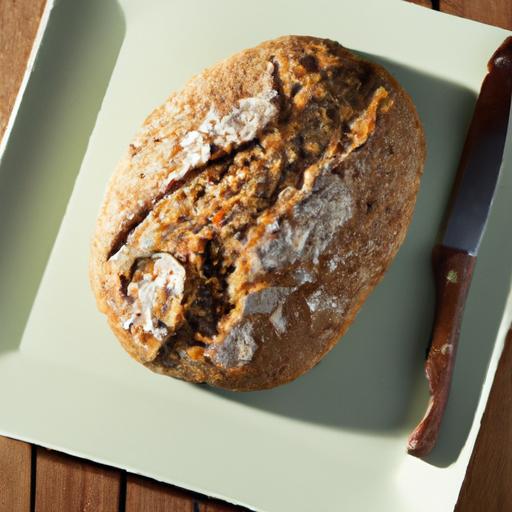
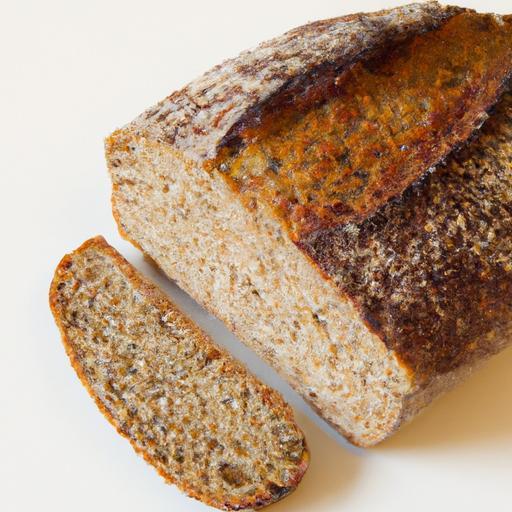
Spelt grain bread offers a delightful journey into ancient nutrition with modern-day benefits that nourish the body and tantalize the palate. This wholesome bread, rooted in centuries-old traditions, stands out not just for its nutty flavor and satisfying texture, but also for its rich nutritional profile and gentle digestibility. When you bake with spelt flour, you invite a subtle sweetness and delicate crumb that makes every slice an experience – perfect for anyone looking to enrich their diet with natural, fiber-packed whole grains.
Prep and Cook Time
- Preparation: 20 minutes
- Rising: 1 hour 30 minutes (including two rises)
- Baking: 30 minutes
- Total time: Approximately 2 hours 20 minutes
Yield
1 beautifully crusty loaf (about 10 slices)
Difficulty Level
Medium – perfect for home bakers familiar with yeast bread but open to exploring grain varieties.
Ingredients
- 3 cups spelt flour (preferably whole spelt for more fiber and depth)
- 1 ¼ cups warm water (around 110°F / 43°C)
- 1 tsp active dry yeast
- 1 ½ tsp sea salt
- 1 tbsp honey (or maple syrup for vegan option)
- 2 tbsp olive oil (plus extra for greasing)
- Optional: 2 tbsp toasted sunflower seeds or walnuts for added crunch
Instructions
- Activate the yeast: In a small bowl, combine the warm water, honey, and yeast. Let it sit for 5-7 minutes until foamy to ensure the yeast is alive.
- Mix dry ingredients: In a large bowl,whisk together the spelt flour and sea salt thoroughly.
- Combine wet and dry: Pour the yeast mixture and olive oil into the flour mixture. Using a wooden spoon or your hands,gently fold until the dough starts to come together. Spelt dough is more delicate than wheat dough – avoid over-kneading.
- Knead gently: lightly flour a surface and knead the dough 6-8 times until smooth but still slightly sticky. A softer dough yields a more tender crumb.
- First rise: Transfer the dough into a greased bowl, cover with a damp cloth or plastic wrap, and let it rise in a warm spot for 1 hour, or until doubled in size.
- Shape the loaf: once risen, punch the dough down gently to release air. Shape it into a round or oval loaf and place it on a parchment-lined baking sheet or into a lightly oiled bread pan.
- Second rise: Cover the dough again and let rise for 30 minutes until puffed.
- preheat the oven: Set to 375°F (190°C) about 20 minutes before baking to ensure steady heat.
- Bake: Score the top lightly with a sharp knife for expansion, then bake for 30 minutes until the crust is golden brown and the loaf sounds hollow when tapped underneath.
- Cool: Let the bread cool fully on a wire rack before slicing to lock in moisture and improve texture.
tips for Success
- use whole spelt flour for maximum nutrition, but a mix of 50% whole and 50% white spelt works well for lighter breads.
- Avoid over-kneading: spelt gluten is more fragile than wheat gluten, so keep kneading light to prevent a dense loaf.
- If your kitchen is cold,use a warm oven (turned off) or near a radiator for rising to encourage yeast activity.
- Make-ahead: Dough can be refrigerated after the first rise for up to 12 hours. Bring back to room temperature before shaping and second rise.
- For a crustier loaf, place a small oven-safe dish with water on the bottom rack during baking to create steam.
Serving Suggestions
This spelt grain bread shines when served fresh with a spread of creamy butter or drizzled with golden olive oil and a dusting of flaky sea salt. Pair it with a bowl of roasted vegetable soup or use it to elevate your favorite open-faced sandwiches.For a Mediterranean vibe, top toasted slices with hummus, sliced tomatoes, and fresh basil. Garnish with a sprinkle of toasted seeds or herbs to enhance both presentation and flavor.

| Nutrient | Per slice (approx.) |
|---|---|
| Calories | 110 kcal |
| Protein | 4 g |
| Carbohydrates | 22 g |
| Fat | 2.5 g |
| Dietary Fiber | 3.5 g |
For more on incorporating nutrient-dense whole grains into your meals, check out our Ancient Grain Salads post. To dive deeper into the scientific benefits of spelt grain, visit this comprehensive study from the National Institutes of Health.
Q&A
Q&A: Spelt Grain Bread – Ancient Grain, Modern Health Marvel
Q1: What exactly is spelt grain?
A1: Spelt is an ancient variety of wheat that has been cultivated for thousands of years. Known for its nutty flavor and hearty texture, this grain predates common bread wheat and offers a fascinating glimpse into the diets of early civilizations. Unlike modern wheat, spelt retains much of its natural nutritional profile, making it a prized grain for health-conscious bakers today.
Q2: How does spelt differ from regular wheat?
A2: while spelt and common wheat are closely related,spelt has a tougher husk that protects the grain,requiring a bit more processing. Nutritionally, spelt tends to contain higher levels of protein, fiber, and essential minerals like iron and magnesium. Its gluten structure is also slightly different, which some people find easier to digest compared to modern wheat varieties.
Q3: What makes spelt bread a nutritional powerhouse?
A3: Spelt bread shines in its balance of complex carbohydrates, fiber, and protein. It provides sustained energy release and supports digestive health with its abundant fiber content. Additionally, spelt contains B vitamins and antioxidants that help combat inflammation and support overall vitality. It’s a nutrient-rich alternative to many refined grain breads.
Q4: Can spelt bread be a good option for people with gluten sensitivities?
A4: Spelt does contain gluten, so it’s not suitable for those with celiac disease. However, many people with mild gluten sensitivities report better tolerance to spelt compared to conventional wheat. This might potentially be due to its unique gluten composition, which is less aggressive and easier on the digestive system, but individual experiences can vary widely.
Q5: How is spelt bread typically made?
A5: Traditional spelt bread starts with whole spelt flour,mixed with water,yeast,and a pinch of salt. Because spelt flour can absorb less water and has a different gluten strength, the dough is often wetter and lighter. Bakers often use slower fermentation techniques to develop flavor and improve digestibility. The result is a bread with a rustic crust and a slightly chewy, tender crumb.
Q6: What flavors pair well with spelt bread?
A6: Thanks to its nutty and mildly sweet flavor, spelt bread pairs beautifully with a wide range of toppings. Creamy nut butters, fresh avocado, tangy cheeses, roasted vegetables, and herb-infused olive oils all complement its rustic charm.It’s equally delightful in sandwiches, as toast, or simply with a drizzle of honey.
Q7: Is spelt bread environmentally friendly?
A7: Absolutely! Spelt is considered a more enduring crop because it requires less intensive fertilization and can thrive in poorer soils with less water compared to modern wheat. Its resilience and compatibility with organic farming practices make spelt an eco-conscious choice that supports biodiversity and soil health.
Q8: Where can I find spelt bread?
A8: spelt bread is becoming increasingly popular and can often be found at artisan bakeries, health food stores, and farmers’ markets. Many home bakers also enjoy using spelt flour in their bread machines or traditional oven baking, tapping into the ancient grain’s rich heritage right from their own kitchens.
Q9: Can spelt flour be used interchangeably with wheat flour?
A9: While spelt flour can substitute wheat flour in many recipes, it behaves a bit differently due to its gluten content and water absorption. Baked goods made with spelt may be lighter and more delicate,so adjusting hydration levels and kneading time is key. Experimenting with blends of spelt and other flours often yields the best balance of flavor and texture.
Q10: Why is spelt bread considered a “modern health marvel”?
A10: Spelt bread bridges the gap between ancient nutrition and today’s wellness trends. It offers a whole-food, nutrient-dense option that supports digestive health, provides essential minerals, and satisfies with its complex, satisfying taste. As we look back to traditional foods for better health, spelt stands out as a timeless grain with contemporary benefits and delicious possibilities.
The Conclusion
In weaving the story of spelt grain bread, we uncover more than just a humble staple-it’s a bridge between ancient fields and contemporary wellness. This resilient grain, nurtured by history and embraced by modern nutrition science, invites us to savor bread that’s not only rich in flavor but packed with nourishing benefits. As we rediscover spelt’s place on our plates, we celebrate a timeless ally in our quest for health-a true marvel from the past, baking fresh promise into every slice.