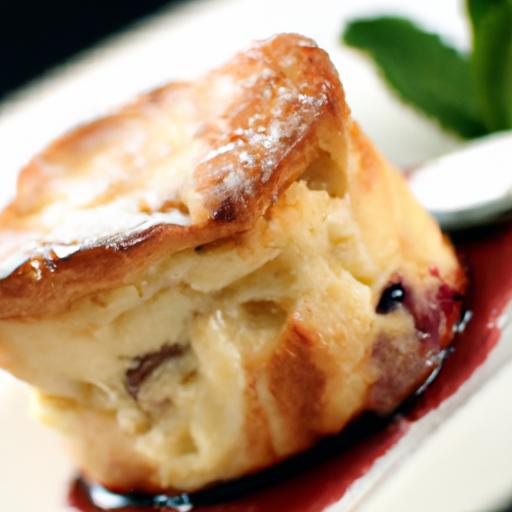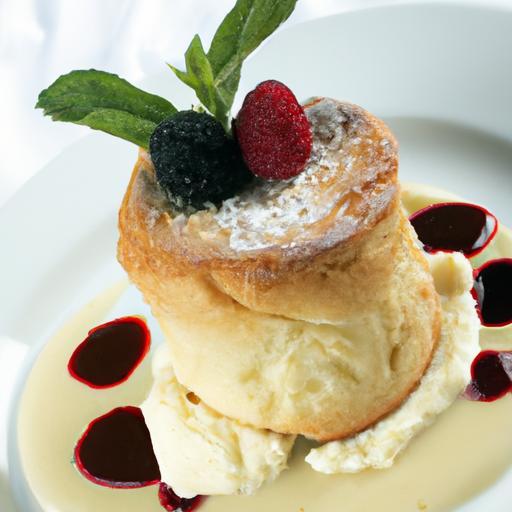
There are few desserts that embody the delicate balance between elegance and indulgence quite like the cheese cake soufflé. light as a whisper yet decadently rich, this ethereal delight captures the essence of both cheesecake’s creamy charm and soufflé’s airy grace. Mastering the art of the cheese cake soufflé means unlocking a world where texture dances effortlessly with flavor,creating a symphony of softness and sweetness that melts on the tongue.In this article, we’ll explore the secrets behind achieving that perfect rise, the subtle interplay of ingredients, and tips to ensure every bite is an exquisite experience-inviting you to transform a classic dessert into a sublime masterpiece.
Mastering the perfect batter balance for ultimate fluffiness is the secret that transforms your cheese cake soufflé into a cloud-like masterpiece. The dance between whipped egg whites and creamy cheese batter creates an airy texture that melts in your mouth, delivering both lightness and decadence in every bite. Achieving this delicate equilibrium begins with understanding how to whip and fold ingredients to preserve volume while enhancing flavor and creaminess.
Prep and Cook Time
- Preparation: 20 minutes
- Cooking: 35 minutes
- Cooling: 10 minutes
- Total Time: 1 hour 5 minutes
Yield
Serves 6 generous portions
Difficulty Level
Medium – ideal for bakers ready to elevate their souffle skills with confidence.
Ingredients
- 5 large eggs, separated at room temperature
- 8 oz cream cheese, softened
- ½ cup granulated sugar, divided
- ¼ cup all-purpose flour, sifted
- ½ cup whole milk, warmed
- 1 tsp pure vanilla extract
- Pinch of kosher salt
- Butter and sugar for preparing ramekins
Instructions
- Prepare your ramekins: Generously butter six 6-ounce ramekins then dust with sugar. This ensures a stunning rise and easy release after baking.
- Whip the egg whites: In a meticulously clean mixing bowl, beat the egg whites with a pinch of salt until soft peaks form. Gradually add half of the sugar and continue whipping until stiff, glossy peaks develop.This step is critical for volume and fluffiness.
- Make the cheese batter: In a separate bowl, beat the cream cheese with the remaining sugar until smooth and creamy. Slowly blend in the egg yolks one by one, mixing just until incorporated.
- Combine dry and wet: Stir the sifted flour into the cheese mixture, then gently fold in warm milk and vanilla extract, creating a luscious, smooth batter.
- Fold in egg whites: Now, the artful part-fold about one-third of the whipped egg whites into the cheese batter using a silicone spatula with a sweeping motion. This lightens the batter. Carefully fold in the remaining whites, preserving as much air as possible to maintain an airy texture.
- Fill and smooth: Spoon the batter into prepared ramekins, filling each nearly to the top. Smooth the surfaces gently with the back of a spoon.
- Bake to perfection: Place ramekins in a preheated 350°F (175°C) oven. Bake for 30-35 minutes or until soufflés have puffed beautifully and are golden on top.Avoid opening the oven door prematurely to prevent collapse.
- Serve immediately: Cheese cake soufflé is at its peak fluffiness fresh from the oven. Let cool for 5 minutes, then garnish and serve.
Tips for Success: Techniques to Whip and Fold for Airy Texture and Volume
- Egg whites: Ensure no yolk contaminates the whites for perfect volume.
- Temperature matters: Room temperature eggs whip more easily, while warm milk integrates smoothly into the batter.
- Folding: Use gentle under-and-over motions instead of stirring. Preserving air bubbles is key to achieving the final light texture.
- Baking: Avoid opening the oven door during baking. Sudden temperature changes can cause the soufflé to deflate.
Choosing Quality Ingredients to Elevate Flavor and Creaminess
Utilize premium cream cheese with high-fat content for a naturally rich, velvety base, and fresh eggs for structure and lift. Organic vanilla extract adds subtle floral notes that enhance depth without overpowering the delicate cheese flavor. The interplay of these carefully selected ingredients results in a subtly sweet, creamy, and decadently smooth soufflé.
Serving Suggestions
Present your cheese cake soufflé dusted with powdered sugar and a light drizzle of berry coulis or fresh fruit compote to contrast its richness. Garnish with a sprig of fresh mint or edible flowers for a visually stunning plate. Pair with a light herbal tea or a sparkling non-alcoholic beverage to round out the experience.

| Nutritional Information (per serving) | Amount |
|---|---|
| Calories | 320 kcal |
| Protein | 9 g |
| Carbohydrates | 28 g |
| Fat | 18 g |
For those eager to expand their repertoire, check out our guide on classic French soufflé techniques, which complement this recipe beautifully. additionally, explore the science behind perfect egg-white whipping at Serious Eats to deepen your understanding.
Q&A
Q&A: The Art of Cheese Cake Soufflé – Light, Fluffy & Decadent
Q1: What makes a cheese cake soufflé different from a traditional cheesecake?
A1: The cheese cake soufflé is an enchanting marriage between the creamy richness of cheesecake and the ethereal lightness of a soufflé. Unlike the dense, often chilled texture of a classic cheesecake, the soufflé version rises beautifully in the oven to create a delicate, airy structure that almost melts on your tongue, offering a unique balance of decadence and fluffiness.
Q2: Which types of cheese work best for achieving that perfect soufflé texture?
A2: Cream cheese is a classic choice for its smoothness and mild tang, providing the perfect creamy base. For added depth,some bakers blend in mascarpone or ricotta,which enhance silkiness without weighing down the soufflé. The key is to use cheeses that are soft, spreadable, and not overly salty, ensuring a supple batter that can support the gentle rise.
Q3: How do you achieve the signature rise in a cheese cake soufflé?
A3: The magic lies in expertly whipping egg whites until they form stiff peaks and then gently folding them into the cheese batter. This delicate incorporation traps air that expands in the oven, lifting the soufflé. It’s a careful dance: too vigorous, and you risk deflating your mixture; too little, and the soufflé won’t rise. Timing and technique are everything.Q4: Why is temperature control vital when baking a cheese cake soufflé?
A4: Baking at the right temperature ensures that the soufflé rises steadily without cracking or collapsing prematurely. Typically, a moderate oven heat allows gentle expansion, cooking the interior fully while forming a slightly golden crust. High heat can cause rapid rising and then deflation, while low heat might result in a heavy or undercooked center.
Q5: can I prepare the soufflé mixture ahead of time?
A5: Since the lifting power comes from freshly whipped egg whites, it’s best to prepare the mixture just before baking. Egg whites tend to lose their volume if left sitting, which would deflate your soufflé. Though, you can prepare the cheese base a day ahead, keeping it chilled, then whip and fold in the egg whites at the last moment for peak fluffiness.
Q6: What serving suggestions bring out the best in a cheese cake soufflé?
A6: Cheese cake soufflé shines when served immediately, straight from the oven, to enjoy its light texture before it deflates. A dusting of powdered sugar, a dollop of fresh berry compote, or a drizzle of vibrant lemon curd can add complementary brightness and sweetness, enhancing the soufflé’s delicate tang without overpowering it.
Q7: How can I troubleshoot a soufflé that doesn’t rise or falls quickly?
A7: Common pitfalls include over- or under-whipping egg whites,folding them too roughly,or opening the oven door too early. Make sure your eggs are fresh and at room temperature for optimal volume. Fold gently with a spatula to preserve air bubbles. Lastly, avoid peeking during baking to prevent sudden temperature shifts that can cause a rapid collapse.
Q8: Is it possible to make a flavored cheese cake soufflé?
A8: Absolutely! Infusions like vanilla bean,citrus zest,or a gentle hint of cinnamon can elevate the soufflé’s flavor profile. Just be mindful to keep additions subtle so the soufflé’s signature lightness and creamy tang remain the stars of the show.The art lies in layering flavors without weighing down the batter.
Q9: What kind of cookware is ideal for baking a cheese cake soufflé?
A9: Individual ramekins or a medium-sized soufflé dish with straight sides help support the soufflé’s rise and create a beautiful presentation. Light-colored ceramic or glass bakeware is preferred because it promotes even heat distribution, preventing over-browning while allowing a gentle, steady bake.Q10: Why is the cheese cake soufflé considered a timeless dessert?
A10: It marries technical finesse with a universally loved flavor-cheesecake-yet offers a light, elegant twist that delights both eyes and palate. Its ephemeral beauty, rising proudly from the oven and dissolving into a creamy cloud of indulgence, captures the essence of culinary artistry and the joy of savoring something truly special.
Insights and Conclusions
In mastering the art of the cheesecake soufflé,you unlock a world where lightness and decadence coexist in perfect harmony. each airy rise and delicate crack is a testament to patience, technique, and a touch of culinary magic. Whether served as an elegant finale to a dinner or a special treat to savor slowly, this ethereal dessert invites you to celebrate the beauty of simple ingredients transformed into something sublime. So next time you seek a dessert that dances on the palate yet leaves a lasting impression,let the cheesecake soufflé be your muse-a timeless reminder that the most remarkable pleasures frequently enough come in the lightest,fluffiest forms.