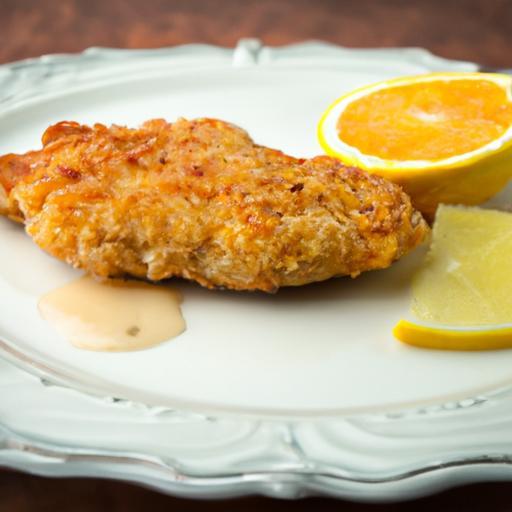
crisp on the outside, tender on the inside, Schnitzel is more than just a dish-it’s a beloved slice of German culinary tradition that has won hearts worldwide. While veal Schnitzel is the classic choice,the humble chicken version offers a lighter,equally flavorful twist that suits any table. What truly sets a Zesty German Schnitzel apart, however, isn’t just the perfectly breaded meat but the bright burst of lemon that awakens the palate with every bite. In this article, we’ll explore the art of crafting both classic chicken and veal Schnitzel, infused with that signature citrus tang, bringing a zestful flair to an age-old favorite. Whether you’re a seasoned home cook or a curious newcomer, get ready to discover how this iconic dish combines simplicity and zest in perfect harmony.
Zesty Flavor Profiles That Elevate Customary Schnitzel
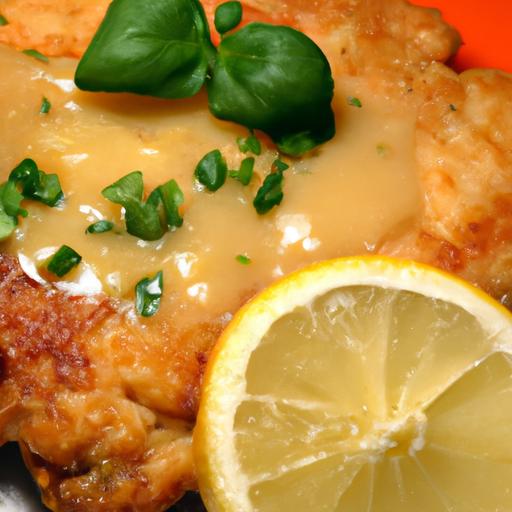
Zesty German Schnitzel: Classic Chicken & Veal with Lemon is a celebration of crisp textures and bright, invigorating flavors. Rooted deeply in Bavarian culinary tradition, schnitzel is more than just breaded meat; it’s a canvas to explore a harmony of herbs, spices, and citrus that lift its character beyond the familiar golden crust. The delicate tang of lemon zest paired with aromatic parsley and a hint of garlic adds a lively burst that brightens every bite, balancing the richness of the perfectly fried exterior and tender interior.
Introduce freshly ground black pepper,a sprinkle of smoked paprika,or a touch of mustard powder into your breadcrumb mixture to infuse complexity and warmth. These zesty flavor highlights work incredibly well whether you choose lean chicken breast or refined veal cutlets, creating a multi-dimensional taste experience that invigorates this classic dish.
Choosing Between Chicken and Veal for the Perfect Schnitzel
At the heart of every remarkable schnitzel is the quality and type of meat selected.Each brings a unique texture and flavor layer, shaping the final dish. Chickens from pasture-raised sources yield juicy, tender breasts that crisp up wonderfully, making them a hearty yet approachable choice favored for weeknight dinners. Veal, on the other hand, offers a delicate, buttery flavor and an incredibly tender finish because of its finer muscle fibers, bringing an elevated elegance favored in authentic German cuisine.
When opting for chicken, look for uniform breast cutlets around ¼ inch thick to ensure even cooking and a satisfyingly juicy interior. Veal cutlets may be slightly thinner but require careful tenderizing with a meat mallet to achieve the ideal, buttery tenderness. Both options provide an excellent canvas for the zesty seasoning blend outlined here, effortlessly marrying with the classic breadcrumb crust and finishing lemon notes.
Mastering the Crispy Golden crust: Tips and Techniques
Achieving that perfect crispy, golden schnitzel crust requires some culinary know-how paired with precise technique. Start by pounding your chicken or veal cutlets evenly to about ¼ inch thickness – this ensures swift, uniform cooking and prevents toughness.Pat the meat dry with paper towels to help the coating cling better and avoid steaming during frying.
When coating, follow the classic triple dredge method: first coat in flour, then dip into beaten eggs, and finally press firmly into seasoned breadcrumbs. Incorporate panko breadcrumbs for extra crunch or mix in finely grated Parmesan cheese for a subtle nutty undertone. Use a large skillet with a generous amount of clarified butter or a neutral oil with a high smoke point like sunflower oil. Maintain medium-high heat so your schnitzel fries quickly, sealing in juices while creating an irresistibly golden crust.
Flip just once to keep the crust intact and cook interior meat thoroughly but gently. Rest finished schnitzels on a wire rack or paper towels to drain excess fat without softening the crispy exterior. This crucial step guarantees every bite stays as crisp as the first.
The Citrus Twist: Incorporating Lemon for a Fresh Finish
No Zesty german Schnitzel: Classic Chicken & Veal with Lemon is complete without the invigorating brightness of fresh lemon.After frying, a delicate squeeze of lemon juice sharpens the dish, cutting through the richness with clean acidity and elevating each flavor nuance to new heights.
In addition, incorporate finely grated lemon zest either into your breadcrumb mixture or sprinkle over the schnitzel just before serving for a burst of fragrance and color.Pairing thin wedges or curls of lemon alongside fresh parsley sprigs makes for an inviting, authentic presentation. This citrus twist not only enhances the savoriness but adds a refreshing finish that leaves a clean palate and craving for “just one more bite.”
Prep and Cook Time
- Planning: 25 minutes
- Cook Time: 10 minutes
- Total Time: 35 minutes
Yield
Serves 4
Difficulty Level
Medium
Ingredients
- 4 chicken breasts or veal cutlets (about 6 oz each, pounded to ¼ inch thickness)
- 1 cup all-purpose flour, sifted
- 2 large eggs, beaten
- 1 ½ cups panko breadcrumbs (or plain fine breadcrumbs)
- 1 tsp garlic powder
- 1 tsp smoked paprika
- ½ tsp mustard powder
- Zest of 1 large lemon
- Salt and freshly ground black pepper to taste
- 3 tbsp chopped fresh parsley
- 1 cup clarified butter or sunflower oil, for frying
- 1 lemon, cut into wedges for serving
Instructions
- Prepare the meat: Place chicken breasts or veal cutlets between two sheets of parchment paper and gently pound with a meat mallet untill uniformly thin (about ¼ inch). Pat dry with paper towels. Season both sides lightly with salt and pepper.
- Prepare dredging stations: In separate shallow dishes, place the flour, beaten eggs, and breadcrumbs. In the breadcrumb mixture, combine garlic powder, smoked paprika, mustard powder, lemon zest, and half of the chopped parsley.Mix well so flavors are evenly distributed.
- Coat the cutlets: Dredge each cutlet in flour, shaking off excess. Dip into the eggs, allowing excess to drip off. Press firmly into the seasoned breadcrumbs until fully coated. Set coated cutlets aside on a wire rack.
- Heat the fat: In a large skillet, warm clarified butter or oil over medium-high heat until shimmering but not smoking. Test by dropping extra breadcrumb bits – they shoudl sizzle immediately.
- Fry schnitzels: Carefully lay cutlets one at a time into the hot fat.Fry for about 3-4 minutes per side, flipping once with tongs. The crust should be a deep golden brown and very crispy-avoid overcrowding the pan to maintain heat stability.
- Drain and rest: Transfer cooked schnitzels to a wire rack placed over a baking sheet or lined with paper towels to drain excess oil. let rest for 2-3 minutes for juices to settle, ensuring crispiness stays intact.
- Finish with lemon: Just before serving,squeeze fresh lemon juice lightly over each schnitzel and garnish with remaining chopped parsley and lemon wedges on the side.
Tips for Success
- Even thickness matters: Pounding the meat uniformly allows for quick and even frying, preventing dry edges and undercooked centers.
- Breadcrumb variety: Panko breadcrumbs give an extra airy crunch, whereas traditional fine breadcrumbs offer a classic French-fried texture.
- Oil temperature: Keep medium-high heat steady; too low and the crust will be soggy,too high and it may burn before the meat cooks through.
- Make-ahead breadcrumbs: Mix your flavored breadcrumb coating in advance and store in an airtight container for convenience.
- Lemon zest alternatives: If fresh lemon isn’t available, a sprinkle of dried lemon peel or a few drops of lemon extract in the breadcrumbs can add brightness.
serving Suggestions
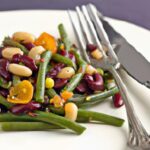
present your schnitzels on warmed plates garnished with a vivid scatter of fresh parsley and the signature lemon wedges for guests to customize their citrus brightness. Pair with a crisp cucumber salad, buttery spaetzle, or a warm potato salad for a complete German-inspired feast. A simple side of steamed green beans or sautéed mushrooms also complements well, balancing the zesty and rich components beautifully.

| Nutrient | Per Serving |
|---|---|
| Calories | 430 kcal |
| Protein | 38 g |
| Carbohydrates | 20 g |
| Fat | 20 g |
Enhance your culinary repertoire with other traditional German favorites like Authentic German Potato Salad,which pairs exquisitely with schnitzel. For authoritative guidance on frying techniques and oil selections, visit Serious Eats: Best Methods for Frying.
Q&A
Q&A: Zesty German Schnitzel – Classic Chicken & Veal with Lemon
Q1: What makes a traditional German schnitzel truly authentic?
A1: Authentic german schnitzel is all about simplicity and technique. Thin slices of tender meat-typically veal or chicken-are gently pounded to an even thickness, then coated in a crisp, golden crust made from flour, egg wash, and fine breadcrumbs. The magic lies in the frying process: quick, hot oil ensures the schnitzel becomes beautifully crispy on the outside while remaining juicy inside. Serve it fresh,and you’re tasting a genuine slice of German culinary tradition.Q2: Why use both chicken and veal for schnitzel?
A2: Both chicken and veal offer unique textures and flavors that complement the schnitzel experience. Veal brings a delicate, mildly sweet profile and tender texture that’s classic in German cuisine, while chicken provides a lighter, more accessible option with a slightly heartier bite. Using both showcases the versatility of schnitzel and lets you choose according to preference or occasion.
Q3: How does lemon enhance the schnitzel?
A3: Lemon is the zesty hero that brightens schnitzel’s rich, crispy coat. A squeeze of fresh lemon juice adds a vibrant citrus tang, cutting through the fried crunch and bringing balance to each bite. This simple addition elevates the dish by introducing a refreshing contrast, making the schnitzel feel lighter and more aromatic.
Q4: What are the key steps for achieving the perfect schnitzel crust?
A4: The secret to a perfect schnitzel crust is in the breading sequence and frying temperature. First, dredge the pounded meat in flour to help the egg adhere. Next, dip it in beaten eggs seasoned lightly with salt and pepper. coat thoroughly with fine breadcrumbs-ideally fresh or panko for extra crunch. Fry quickly in hot oil (around 350°F or 175°C), flipping once, until golden brown.Rest briefly on paper towels to drain excess oil and keep the crisp intact.
Q5: Can schnitzel be prepared ahead of time, or is it best enjoyed immediately?
A5: Schnitzel tastes best when served hot and fresh from the pan to preserve that signature crispy texture.While you can prepare the breaded cutlets ahead, frying is ideally done just before serving. If needed,keep them warm in a low oven for a short time,but avoid reheating in the microwave as it tends to soften the crust.
Q6: What traditional sides best complement a zesty schnitzel?
A6: Classic accompaniments like warm potato salad, lightly buttered spaetzle (German egg noodles), or simple cucumber salad pair perfectly with schnitzel. These sides offer mild textures and subtle flavors that let the schnitzel shine. Adding a few sprigs of fresh parsley or a dollop of lingonberry jam can also introduce a burst of color and contrast.
Q7: Is it possible to make schnitzel gluten-free without losing texture?
A7: Absolutely! For a gluten-free schnitzel, substitute traditional flour and breadcrumbs with gluten-free alternatives such as rice flour and crushed gluten-free crackers or panko-style breadcrumbs made from gluten-free bread. the key is to maintain that dry, fine coating that crisps up beautifully when fried. Just ensure your frying oil is free from contamination and your coating ingredients are certified gluten-free.
This Q&A delves into the heart of what makes zesty German schnitzel a timeless dish-combining classic technique with the bright spark of lemon for a truly memorable meal.
Key Takeaways
From the golden crisp of a perfectly breaded schnitzel to the bright zing of fresh lemon, Zesty German Schnitzel offers a delightful harmony of textures and flavors that honors tradition while awakening the palate. Whether you choose tender chicken or delicate veal, this classic dish invites you to experience a beloved slice of german culinary heritage with a refreshing twist. So next time you’re craving comfort with a burst of zest, let this schnitzel be your appetizing passport to an authentic, tangy feast that’s as vibrant as it is timeless. Guten Appetit!