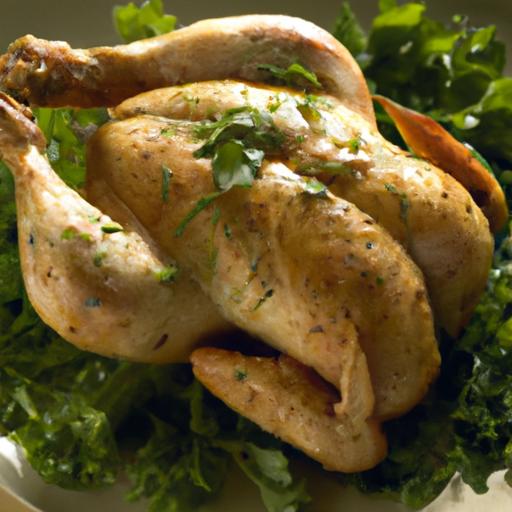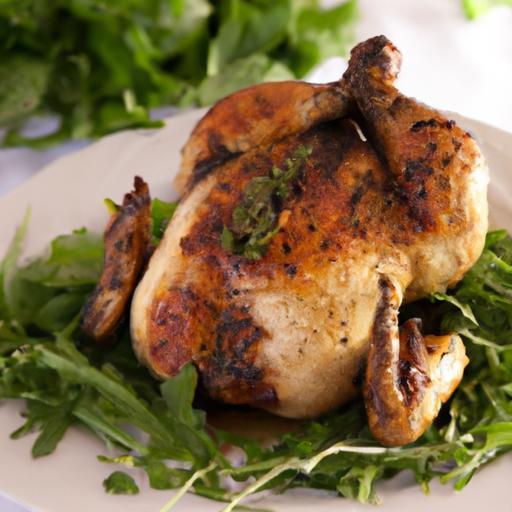
There’s something undeniably comforting about the golden, crispy skin and tender, juicy meat of a perfectly roasted chicken. Yet, elevating this timeless classic from simple to breathtaking frequently enough comes down to one key element: the herbs. Mastering herb-roasted chicken is not just about following a recipe-it’s an art form that marries fragrant botanicals with heat, unlocking layers of flavor that transform an everyday ingredient into a culinary masterpiece. In this flavorful guide, we’ll explore techniques, herb combinations, and insider tips to help you roast chicken like a pro, turning your kitchen into a haven of irresistible aromas and unforgettable tastes.Whether you’re a seasoned cook or a curious beginner, get ready to awaken your senses and redefine what poultry can be.
Mastering Herb-Roasted Chicken unlocks the secret to an irresistibly fragrant, crispy-skinned masterpiece that transforms a simple roast into a festivity of layered aromas and perfectly balanced flavors. The magic lies in selecting fresh, vibrant herbs that marry beautifully with the chicken’s natural juices, while embracing techniques that guarantee a skin golden and crackling with every bite. Whether you’re recreating a cherished family classic or inventing your own signature twist, these guidelines will elevate your roast to culinary stardom.
Prep and Cook Time
- Planning: 20 minutes
- Cooking: 1 hour 15 minutes
- Total Time: 1 hour 35 minutes
Yield
Serves 4-6 people
Difficulty level
Easy to Medium – approachable for cooks at all levels with precise tips for crisp skin and flavor control
Ingredients
- 1 whole chicken (~4 lbs), patted dry
- 3 tbsp olive oil
- 2 tbsp fresh rosemary, finely chopped
- 2 tbsp fresh thyme, leaves only
- 1 tbsp fresh sage, chopped
- 4 garlic cloves, minced
- 1 lemon, zested and quartered
- 1 tsp smoked paprika
- 1 tsp coarse sea salt
- ½ tsp freshly ground black pepper
- Optional dry rub: 1 tsp ground cumin or coriander for added warmth
Instructions
- Prepare the herb blend: In a small bowl, combine olive oil, rosemary, thyme, sage, garlic, lemon zest, smoked paprika, salt, and pepper. Stir until fully blended into a fragrant marinade.
- Dry the chicken thoroughly: Use paper towels to pat the chicken entirely dry.This step is key to achieving that coveted crisp, golden skin.For extra dryness, let it rest uncovered in the refrigerator for 30 minutes before cooking.
- Apply the marinade: Gently loosen the skin over the chicken breast by sliding your fingers between skin and meat, taking care not to tear it. Spread half of the herb mixture under the skin and massage the rest evenly over the outside of the chicken, ensuring every surface is coated.
- Stuff the cavity: Insert the lemon quarters inside the chicken cavity for a subtle, aromatic burst that lights up every bite.
- Marinate and rest: let the chicken sit at room temperature for 20 minutes to allow the herbs and spices to penetrate, or refrigerate for up to 4 hours for deeper flavor. Remove from fridge 30 minutes prior to roasting if using this method.
- Roast to perfection: Preheat oven to 425°F (220°C). Place chicken breast-side up on a rack in a roasting pan. Roast for 15 minutes to start crisping the skin, then reduce temperature to 375°F (190°C) and continue roasting for 50-60 minutes, basting occasionally with pan juices to lock in moisture.
- Check for doneness: Use an instant-read thermometer inserted into the thickest part of the thigh-165°F (74°C) signals safe, juicy chicken.
- Rest before carving: Transfer the chicken to a cutting board and tent loosely with foil.Rest for 15 minutes-this redistributes the juices, ensuring a moist, tender result.
- Carve and serve: Slice with confidence, serving the chicken alongside your favorite sides, garnished with fresh herbs for a vibrant finish.
Tips for Success
- Herb selection is everything: Fresh herbs like rosemary and thyme lend piney, sage-like notes while sage itself offers an earthy depth. Swap or add tarragon or oregano for subtle complexity.
- Dry skin = crispy skin: Moisture is the arch-enemy of crunchiness.Thoroughly drying the bird and using a roasting rack to elevate it from the pan helps hot air circulate evenly.
- Marinades vs. dry rubs: Marinades with oil and acid (like lemon zest) tenderize and infuse flavor throughout, while dry rubs form a concentrated crust. For best results, combine both techniques.
- Rest, rest, rest: Underestimating resting time ofen leads to dry meat. A well-rested chicken lets the juices redistribute, ensuring richness in every bite.
- make ahead: Prepare the herb marinade a day early to intensify aroma, store covered in the fridge, and apply just before roasting.
Serving Suggestions to Elevate Your Herb-Roasted Chicken Experience
For an unforgettable presentation, arrange slices alongside a medley of roasted seasonal vegetables-think baby carrots, parsnips, and shallots roasted with thyme sprigs. Garnish with freshly snipped herbs for a lively colour pop. A drizzle of pan jus or a squeeze of fresh lemon over the carved chicken brings brightness and moistness to the plate. Serve with creamy mashed potatoes or a tangy quinoa salad to complement the herbaceous notes.
| Nutritional Information (per serving) | Calories | Protein | Carbohydrates | Fat |
|---|---|---|---|---|
| Herb-Roasted Chicken | 375 kcal | 42g | 2g | 20g |
Explore the science behind perfect roasting to deepen your culinary mastery.
For more savory poultry recipes, check our Easy Roast Chicken Recipes collection, designed to complement your journey in mastering Herb-Roasted chicken.

Q&A
Q&A: Mastering Herb-Roasted chicken - A Flavorful Culinary Guide
Q1: What makes herb-roasted chicken a timeless dish?
A1: Herb-roasted chicken is a culinary classic because it beautifully balances simplicity and depth of flavor. The herbs infuse the meat with aromatic freshness, while roasting creates a crispy skin and juicy interior. it’s a dish that feels both comforting and elegantly rustic, perfect for weeknight dinners or special occasions.
Q2: Which herbs work best for roasting chicken?
A2: Customary favorites include rosemary, thyme, sage, and parsley. Each herb brings a unique character-rosemary offers a piney, woodsy note; thyme adds an earthy, subtle tang; sage lends a peppery warmth; and parsley introduces a clean, bright finish. Combining these herbs can elevate your chicken with complexity and balance.
Q3: How should the herbs be applied to the chicken?
A3: For maximum flavor, fresh herbs can be tucked under the skin, mixed with butter or olive oil, and spread evenly. This ensures the herbal essence seeps directly into the meat. Additionally, scattering whole sprigs on top or inside the cavity creates an aromatic steam during roasting, enhancing the overall sensory experience.
Q4: What is the secret to achieving crispy, golden skin on herb-roasted chicken?
A4: Drying the chicken skin thoroughly before roasting is key-pat it with paper towels to remove excess moisture. Then, rubbing the skin with a little oil or melted butter helps it brown evenly. Roasting at a higher initial temperature (around 425°F/220°C) for the first 15-20 minutes encourages crispness, before lowering the heat to cook through without drying.
Q5: How long should the chicken be roasted,and how do I know when it’s done?
A5: Roast times vary depending on the bird’s size; roughly 20 minutes per pound at 375°F (190°C) is a good guideline. the best way to ensure doneness is to use a meat thermometer-when the thickest part of the thigh reaches 165°F (74°C), the chicken is safe and perfectly cooked.resting the bird for 10-15 minutes before carving allows juices to redistribute and keeps the meat tender.
Q6: Can I use dried herbs instead of fresh?
A6: Yes, but with a few caveats. Dried herbs are more concentrated but less vibrant in aroma. Use about one-third the amount of dried herbs compared to fresh. To maximize their flavor, mix dried herbs into the fat (butter or oil) and let the mixture sit briefly before applying to the chicken, giving the herbs time to bloom.Q7: What simple side dishes complement herb-roasted chicken?
A7: Classic sides include roasted root vegetables like carrots,parsnips,and potatoes that can cook alongside the chicken,absorbing those lovely herb-infused drippings. A light arugula salad with lemon vinaigrette or sautéed green beans tossed with garlic also provides a fresh contrast to the savory roast.
Q8: How can I customize the herb-roasted chicken to suit personal tastes?
A8: Experiment with different herb combinations-try tarragon and dill for a slight anise and fresh twist, or oregano and marjoram for a Mediterranean flair. Adding citrus zest or garlic into the herb butter adds brightness and depth. Don’t be afraid to adjust salt and pepper levels to suit your palate.
Q9: Is brining necessary before herb-roasting chicken?
A9: Brining is optional but highly recommended for extra juiciness. A simple saltwater brine for 1-2 hours helps the meat retain moisture during roasting. If pressed for time, salting the chicken an hour in advance also improves flavor penetration and skin texture.
Q10: Can herb-roasted chicken be made ahead and reheated without losing quality?
A10: Absolutely. Roast the chicken fully, then cool and store in the refrigerator. To reheat, warm gently in a low oven (about 300°F/150°C) to preserve moisture and crispness. Adding a splash of broth or covering loosely with foil can prevent drying. Leftovers also make fantastic additions to salads, sandwiches, or soups.
Closing Remarks
As you close the chapter on your herb-roasted chicken journey, remember that mastering this timeless dish is less about strict rules and more about embracing the art of seasoning, temperature, and patience. With each aromatic herb you infuse and every golden, crispy skin you achieve, you’re not just cooking-you’re crafting a story of flavor that warms the soul and delights the senses. So next time you gather around the table, let your herb-roasted chicken be a testament to culinary curiosity and the simple joys of home-cooked excellence. Here’s to many more perfectly roasted, herb-kissed meals ahead!