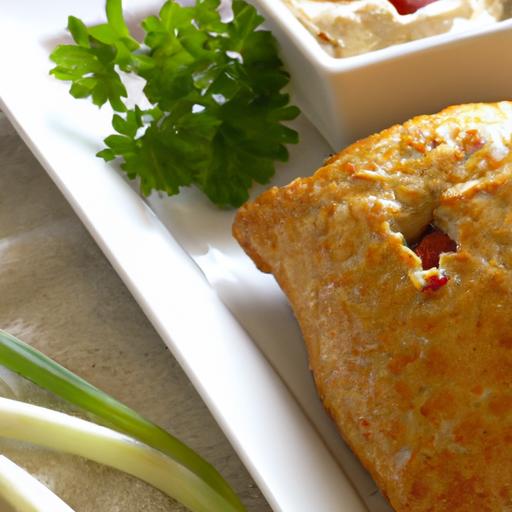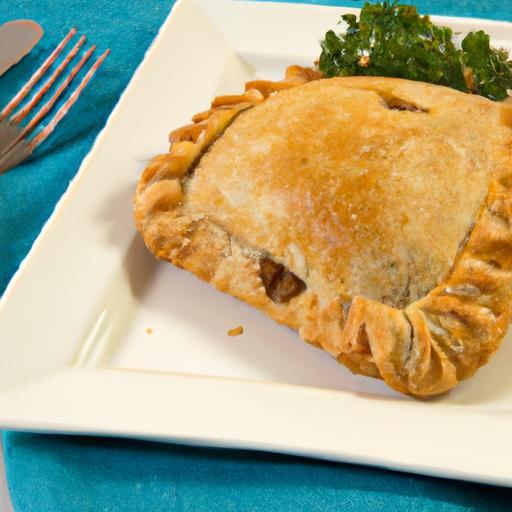
There’s a certain magic in the humble pasty-a golden-crusted parcel that has warmed appetites and hearts for generations. Among the many varieties that have stood the test of time, the classic beef and vegetable pasty remains a beloved staple, celebrated for its hearty flavors and rustic charm. In this article, we journey into the rich history, simple ingredients, and timeless techniques that come together to create this iconic dish. Prepare to uncover the secrets behind the perfect pasty, where tradition meets taste in every buttery, savory bite.
Exploring the Rich Heritage Behind Classic Beef and Vegetable Pasties
Classic Beef and Vegetable Pasties are more than just a hearty meal; they embody a culinary tradition that traces back to the hardworking miners and farmers of the British Isles.The portable, self-contained pastry was crafted to deliver a balanced and nourishing meal, wrapped in buttery, flaky crust designed to stay warm and mess-free during long workdays. This timeless taste reflects a perfect marriage of rustic simplicity and thoughtful readiness – qualities that make them as beloved today as they were centuries ago.
prep and Cook Time
- Preparation Time: 30 minutes
- Cooking Time: 45 minutes
- Total Time: 1 hour 15 minutes
Yield
Serves 6 pasties (serving size: 1 pasty per person)
difficulty Level
Medium – requiring some pastry handling and filling preparation skills
Ingredients
- For the filling:
- 1 lb (450 g) lean beef chuck, finely diced
- 1 large onion, finely chopped
- 2 medium carrots, peeled and diced
- 1 medium potato, peeled and diced
- 1/2 cup peas (fresh or frozen)
- 2 cloves garlic, minced
- 1 teaspoon fresh thyme leaves
- 1 teaspoon Worcestershire sauce
- 1/2 cup beef broth
- salt and freshly ground black pepper, to taste
- 2 tablespoons olive oil
- For the pastry:
- 3 cups (375 g) all-purpose flour, sifted
- 1 teaspoon salt
- 12 tablespoons (170 g) cold unsalted butter, cubed
- 1 egg, beaten (for egg wash)
- About 3/4 cup (180 ml) cold water
Instructions
- Prepare the filling: Heat olive oil in a large skillet over medium heat.Add the chopped onion and garlic; sauté until translucent, about 5 minutes. Add diced beef and cook until browned on all sides, about 8 minutes, stirring frequently.
- Add vegetables and seasonings: Stir in carrots, potatoes, peas, thyme, Worcestershire sauce, salt, and pepper. Pour beef broth over the mixture, cover, and simmer for 15-20 minutes or until vegetables are tender but firm. Remove from heat and let cool fully.
- make the pastry: In a large bowl, combine flour and salt. Using a pastry cutter or your fingers,rub cold butter into the flour until the mixture resembles coarse breadcrumbs with pea-sized lumps.
- Add cold water: Gradually add water while mixing gently until the dough just comes together. Avoid overworking the dough for maximum flakiness. Wrap in plastic and chill for 30 minutes.
- Shape the pasties: Preheat oven to 400°F (200°C). Divide the dough into 6 equal portions. Roll each portion into a 7-inch (18 cm) circle on a lightly floured surface.
- fill and seal: Spoon an equal amount of filling onto one half of each dough circle, leaving space around the edges. brush edges with beaten egg, fold dough over filling, and crimp edges firmly to seal.
- Final touches: Place pasties on a baking tray lined with parchment paper. Brush the tops with egg wash for a glossy, golden finish. Cut a small slit in the top of each pasty to allow steam to escape.
- Bake: Bake in the preheated oven for 35-40 minutes,or until pastry is golden and crispy. Remove from oven and let cool slightly before serving.
Tips for Success
- Ensure the filling is cooled before assembling to avoid soggy pastry.
- Handle the dough gently and keep it chilled to encourage layers and flakiness.
- For a vegetarian twist, substitute beef with hearty mushrooms and add a splash of soy sauce for umami depth.
- Make-ahead option: Freeze fully assembled pasties on baking sheets, then transfer to bags. Bake frozen,adding 10 minutes to the cooking time.
- Use high-quality beef chuck for tender, flavorful filling that melts in your mouth.
Serving Suggestions
Serve these classic beef and vegetable pasties warm with a side of tangy mustard or homemade chutney.Garnish with fresh thyme sprigs and a sprinkle of sea salt flakes to highlight the rustic charm. A crisp green salad dressed lightly with lemon vinaigrette adds a refreshing balance and elevates this hearty dish into a satisfying meal.
For a modern twist, pair pasties with a roasted garlic aioli dip or a smoky paprika ketchup, adding layers of flavor that delight the palate without overshadowing the iconic filling.
| Nutritional Information (per pasty) | Amount |
|---|---|
| Calories | 410 kcal |
| Protein | 28 g |
| Carbohydrates | 35 g |
| Fat | 18 g |

Learn More
discover more hearty British classics and techniques for flaky pastry in our British Traditional Pies guide. For history enthusiasts, britannica offers an in-depth look at the cultural significance of the pasty.
Q&A
Q&A: Timeless taste – Classic Beef and vegetable pasties Unveiled
Q1: What makes a beef and vegetable pasty a timeless classic?
A1: The beauty of the beef and vegetable pasty lies in its simplicity and heartiness-a golden, flaky crust encasing tender beef paired with earthy root vegetables like potatoes, carrots, and swede. This combination has warmed generations with its comforting flavors and portable, all-in-one meal design that’s as practical today as it was centuries ago.
Q2: How do the vegetables contribute to the flavor profile of a classic beef pasty?
A2: Vegetables bring both texture and balance to the rich beef filling. Carrots add a subtle sweetness, potatoes provide a creamy, melt-in-the-mouth contrast, and swede (rutabaga) offers a slightly pungent, nutty undertone. Together, they create a harmonious blend that elevates every bite beyond just meat.
Q3: Why is the crust so critically important in the perfect pasty?
A3: The crust is the pasty’s armor and ally. Traditionally, its made with sturdy shortcrust pastry that’s robust enough to hold the filling yet tender enough to flake delicately. This contrast offers a satisfying crunch followed by a buttery softness, making each mouthful a layered delight.
Q4: Are there any traditional methods for preparing the filling to maximize flavor?
A4: Absolutely! Slow-cooking the beef with onions and seasonings before assembling the pasty intensifies the flavors and ensures melt-in-the-mouth tenderness.Additionally, cutting the vegetables into uniform, bite-sized pieces allows for even cooking inside the pastry shell, resulting in a balanced, succulent filling.
Q5: How has the humble pasty influenced modern comfort foods?
A5: The pasty’s all-in-one, handcrafted nature has inspired countless handheld meals and savory pies worldwide. Its legacy is seen in everything from rugged lunchbox fare to gourmet reinterpretations.Yet its core principle-a flavorful filling encased in pastry-remains a beacon of comfort and convenience in modern cooking.
Q6: Can classic pasties be enjoyed year-round, or are they tied to a particular season?
A6: While the warmth and heartiness of beef and vegetable pasties make them ideal for colder months, their rustic charm transcends seasons. By adjusting vegetables to match fresh, seasonal harvests, the pasty remains a versatile dish that’s equally welcome on a summer picnic or winter fireside.
Q7: What tips can home cooks use to elevate their own pasties?
A7: Start with quality beef cuts and fresh vegetables, and don’t rush the slow cook-patience deepens flavor.When assembling, avoid overfilling to keep the crust intact, and brush the pastry with a little milk or butter for an irresistible golden sheen. Small touches like these honor tradition while making each pasty uniquely flavorful.
Final thoughts
As the aroma of flaky pastry and savory filling lingers long after the last bite,classic beef and vegetable pasties remind us that some culinary traditions are truly timeless. Rooted in hearty simplicity yet rich with regional character,these savory parcels continue to warm both body and soul across generations. Whether enjoyed by the fireside or savored on a bustling street corner, their enduring appeal lies in the perfect balance of comfort and craftsmanship. Unveiling the secrets behind this beloved dish invites us not only to appreciate its flavors but also to celebrate the stories folded within every golden crust-a delicious link between past and present that continues to inspire kitchens around the world.