There’s a certain magic that happens when simple ingredients transform into something unexpectedly remarkable. Enter the world of balsamic glaze reduction-a luscious, glossy elixir that elevates dishes from ordinary to unforgettable. But beyond its striking appearance and tangy-sweet charm lies an art form rooted in patience, technique, and an appreciation for balance. In this article, we’ll unlock the secrets behind crafting the perfect balsamic glaze, exploring how the humble balsamic vinegar metamorphoses into a rich, syrupy masterpiece that has become a kitchen staple for chefs and home cooks alike. Get ready to embark on a flavorful journey where science meets creativity,and every drop tells a story.
Unlocking flavor through the art of balsamic glaze reduction reveals an enchanting world where science meets culinary creativity. The transformation of simple balsamic vinegar into a luscious, syrupy glaze hinges on understanding its chemistry and choosing the right vinegar-a process that elevates any dish. This glaze is more than a condiment; it’s a versatile, flavor-packed ingredient that enhances salads, grilled vegetables, and even desserts with deep, tangy sweetness.
Prep and Cook Time
- Readiness: 2 minutes
- Cooking: 15-20 minutes
- Total Time: 17-22 minutes
Yield
About ¾ cup of balsamic glaze (serves 6-8 as a drizzle)
Difficulty level
Easy – Perfect for both beginning and seasoned home cooks
Ingredients
- 1 cup high-quality balsamic vinegar (aged 3 years or more for richer flavor)
- 2 tablespoons pure honey or organic cane sugar (optional for added sweetness)
- 1 pinch kosher salt (to balance acidity)
Understanding the Science behind Balsamic Glaze Reduction
The magic of balsamic glaze lies in the reduction process, which concentrates natural sugars and thickens the vinegar into a rich, glossy syrup. When you gently simmer balsamic vinegar, water evaporates, leaving behind intensified flavors and a sticky texture. The caramelization of the sugars during cooking creates that signature deep sweetness paired with a subtle tang and complexity. Adding a touch of honey or sugar helps speed caramelization while imparting a smoother finish, but be cautious-the glaze can quickly go from perfect to burnt if left unattended.
Selecting the Perfect Balsamic Vinegar for Richer Flavors
Choosing the right balsamic vinegar sets the foundation for an outstanding glaze. Look for traditional aged balsamic vinegar from Modena or Reggio emilia-these varieties develop richness from years of aging in wooden barrels. Avoid low-quality commercial vinegars that are overly acidic and watery. The darker and thicker the vinegar in its raw form, the less reduction time it’ll require, preserving nuanced flavors and aroma. For an extra layer of complexity, explore balsamic vinegar infused with fig or cherry notes.
Step by Step Guide to Achieving the Ideal Consistency
- Combine balsamic vinegar, honey, and salt in a small, heavy-bottomed saucepan over medium heat.
- Bring to a gentle boil,then reduce heat to low.Simmer uncovered, stirring occasionally to prevent burning.
- Monitor thickness carefully.After about 10 minutes, start checking the glaze by dipping the back of a spoon; it should coat the spoon and hold a thin film.
- Once the volume reduces by half and the glaze reaches a syrupy consistency (like honey), remove from heat. It will thicken further as it cools.
- Cool completely before transferring to a glass jar for storage. Use within two weeks refrigerated.
Creative Culinary Uses and Pairing Suggestions for Balsamic Glaze
Balsamic glaze is a dazzling finishing touch that marries perfectly with both savory and sweet dishes. Drizzle some over:
- Heirloom tomato salads with fresh basil and mozzarella to complement vibrant freshness.
- Grilled artichokes, asparagus, or Brussels sprouts for a smoky-sweet pop.
- Roasted root vegetables, adding a caramel contrast.
- Fresh fruit like strawberries or figs for an elegant dessert.
- Soft cheeses such as ricotta, goat cheese, or burrata to cut through creaminess with acidity.
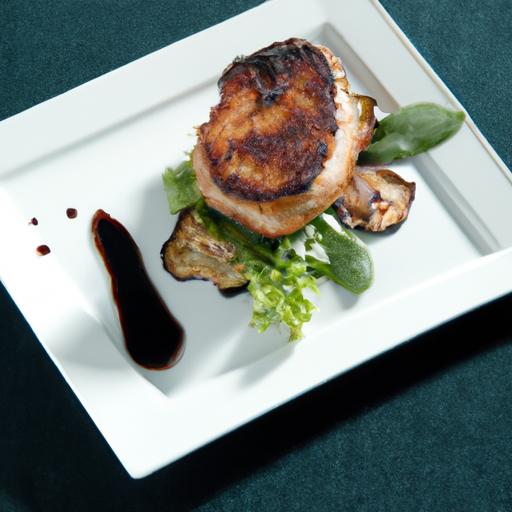
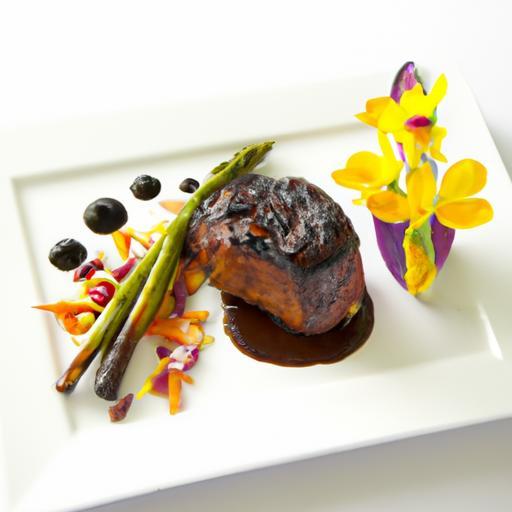
For a stunning presentation-garnish with microgreens, cracked black pepper, or a sprinkle of toasted nuts to add texture and visual appeal.
Instructions
- Prepare your ingredients and gather a heavy-bottomed saucepan to ensure even heat distribution during reduction.
- Pour 1 cup balsamic vinegar into the pan. Add 2 tablespoons honey and a pinch of kosher salt.
- Heat over medium until the mixture begins to bubble gently. Stir occasionally to dissolve honey completely.
- Lower to a simmer and cook for 15-20 minutes, stirring once or twice. Watch carefully to avoid burning.
- Test consistency by spooning-it should coat the back of a spoon and drip slowly.
- Remove from heat and let cool to thicken further before transferring to a jar.
tips for Success
- Use a heavy-bottomed pan to distribute heat evenly and prevent scorching.
- If glaze thickens too much after cooling, stir in a teaspoon of warm water to loosen.
- Store in an airtight jar refrigerated for up to two weeks; warm slightly before use if solidified.
- For a vegan glaze, substitute honey with maple syrup or organic cane sugar.
- Experiment by adding a sprig of fresh rosemary during simmering for herbal notes-remove before bottling.
Serving Suggestions
Finish your dishes with a delicate drizzle of balsamic glaze using a spoon or squeeze bottle for precision.For salads, swirl the glaze in a circular motion over vibrant greens and heirloom tomatoes. On grilled vegetables, let drops generously accentuate natural charred flavors. When serving with cheeses or desserts, artfully smear the glaze alongside fresh figs or dollops of whipped ricotta. Sprinkle edible flowers or fresh herbs for a show-stopping presentation.
| Nutrient | Per 1 Tbsp | Notes |
|---|---|---|
| Calories | 40 | From natural sugars |
| Protein | 0 g | none |
| Carbohydrates | 9 g | Mostly sugars |
| Fat | 0 g | None |

For an in-depth glimpse on vinegar varieties and their culinary roles, explore National Geographic’s detailed vinegar guide. also, check out our related article on Mastering Homemade Vinaigrettes for more acid-based flavor tips that complement balsamic glaze beautifully.
Q&A
Q&A: Unlocking Flavor – The Art of balsamic Glaze Reduction
Q1: What exactly is balsamic glaze, and how does it differ from regular balsamic vinegar?
A1: Balsamic glaze is a luscious, thickened reduction of balsamic vinegar, frequently enough enhanced with a touch of sweetness like honey or brown sugar. While regular balsamic vinegar is thin and tangy, the glaze offers a rich, syrupy texture and a concentrated burst of sweet-tart flavor, making it perfect for drizzling and adding a gourmet touch to dishes.Q2: How do you create the perfect balsamic glaze at home?
A2: Making a flawless balsamic glaze involves gently simmering balsamic vinegar over low heat until it thickens and coats the back of a spoon.Patience is key! Adding a pinch of sweetness-such as honey or maple syrup-during the reduction enhances the glaze’s complexity, balancing acidity with subtle sweetness. Remember to monitor the glaze as it reduces to avoid burning or over-thickening.
Q3: What dishes benefit most from the addition of balsamic glaze?
A3: The versatility of balsamic glaze is extraordinary. It elevates everything from fresh salads, roasted vegetables, and grilled mushrooms to creamy cheeses and even fresh fruits like strawberries or figs. The glaze’s rich tang adds depth, contrast, and a touch of elegance-turning simple ingredients into culinary masterpieces.Q4: Can balsamic glaze be customized with flavor twists?
A4: Absolutely! Infusing the reduction with herbs like rosemary or thyme, or adding a splash of citrus juice or zest, can transform the glaze into a personalized flavor powerhouse. Spices such as black pepper,cinnamon,or star anise also lend unique aromatic layers. Experimentation unlocks endless possibilities.
Q5: How do you store balsamic glaze properly?
A5: Once cooled, balsamic glaze should be transferred into a clean, airtight container and stored in the refrigerator. it keeps well for several weeks. If it thickens too much after chilling,gently warm it up to restore its silky consistency.
Q6: Is there a secret to knowing when the glaze is ‘just right’?
A6: The perfect glaze has a silky viscosity that drapes beautifully over your dish without running off too quickly or becoming overly stiff. A good tip is to watch for the reduction to coat a spoon evenly and leave a clear path when you run your finger across it-a sign that the syrupy balance has been achieved.
Q7: What makes balsamic glaze such a favorite among chefs and food lovers?
A7: Balsamic glaze is magic in liquid form-a simple ingredient transformed to amplify flavors, add visual appeal, and offer an elegant contrast to both savory and sweet creations. Its deep, nuanced profile awakens the palate, proving that sometimes the smallest drizzle can make the biggest difference.
Unlock the art of balsamic glaze reduction, and watch your dishes bloom with irresistible flavor and sophistication!
To Conclude
As the final swirl of balsamic glaze coats your dish, you’ve not just added a flavor-you’ve unlocked a centuries-old culinary secret. The art of balsamic reduction transforms humble vinegar into a luscious, velvety elixir that elevates everything from roasted vegetables to decadent desserts. By mastering this simple yet transformative technique, you open the door to endless flavor possibilities, where each drop tells a story of patience, balance, and bold taste. so next time you reach for that bottle, remember: a little reduction goes a long way in turning everyday meals into unforgettable feasts.