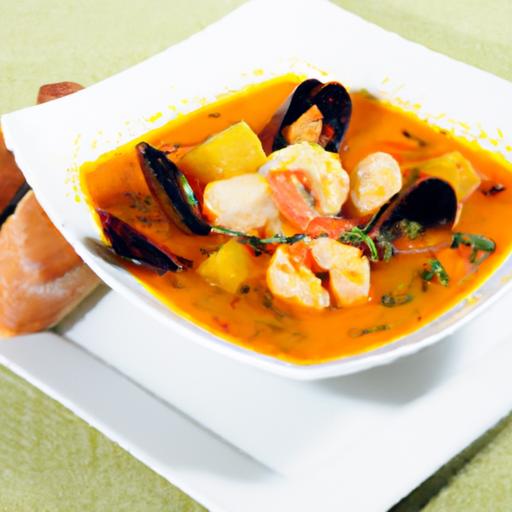
There’s a story tucked within every steaming bowl of bouillabaisse-a culinary tapestry woven from the sun-kissed shores of Provence and the vibrant markets of Marseille. This saffron-infused seafood stew is more than just a meal; it’s a fragrant journey through centuries of tradition, where the bounty of the Mediterranean Sea meets the artistry of French cooking. In this article, we dive deep into the origins, ingredients, and cultural significance of bouillabaisse, inviting you to savor every delicate note of this timeless, golden-hued delight. Whether you’re a seasoned gourmand or a curious foodie, prepare to embark on a flavorful adventure that captures the essence of French coastal charm.
The origins and Cultural Significance of Bouillabaisse in Provence
Savoring French Bouillabaisse is more than a culinary experience-it’s a journey through the sun-kissed shores of Provence where this iconic saffron-infused delight originated. Rooted in the traditions of Marseille’s fishermen, bouillabaisse was historically a humble stew, crafted from the day’s catch that was unsellable at market. Over generations, it blossomed into a celebrated symbol of Provençal pride, embodying a vibrant tapestry of local seafood, fragrant herbs, and the signature saffron that lends the broth its golden hue and exquisite aroma.
in Provençal culture, bouillabaisse is not just food; it’s a communal party. Family and friends gather around steaming bowls,spooning fragrant broth and tender seafood while sharing stories.This dish echoes the mediterranean rhythm-fresh, bold, and deeply rooted in the coast’s abundant bounty. Experiencing bouillabaisse is tasting Provence’s soul with every sip and bite.
Mastering the Art of Selecting fresh Seafood for Authentic Bouillabaisse
To truly savor French Bouillabaisse, the foundation is fresh, high-quality seafood. Selecting the right catch is essential. Seek out firm white fish like ruffe, mullets, or conger eel, which local fishermen traditionally prize. Incorporate shellfish such as mussels and clams, and tender crustaceans like scampi or langoustines, for a layered texture and flavor profile. Freshness is paramount-seafood should smell like the ocean, not fishy, with clear eyes and moist, glistening flesh.
Ask your fishmonger for advice on what’s freshest that day; seasonal selections will enhance your saffron-infused delight profoundly. Prioritize sustainably caught ingredients to honor Provençal traditions that respect the sea’s abundance.
crafting the perfect Saffron-Infused Broth: Tips and Techniques
Creating bouillabaisse’s hallmark broth is an art that hinges on coaxing out the depths of the saffron and the subtle complexity from the seafood stock. Begin by gently sautéing finely chopped onions, leeks, and garlic in olive oil to build an aromatic base. Add fresh tomatoes to bring a luminous acidity, then introduce the mélange of fish bones and shells to simmer slowly.This slow simmer extracts the rich umami foundational for the broth’s depth.
When adding saffron, soak the delicate threads in a bit of warm water beforehand to release their golden color and luxurious aroma evenly into the broth. Patience is key: simmer gently to marry the flavors without boiling away the precious saffron’s subtle nuances.
Season with a fresh bouquet garni-thyme, bay leaves, and fennel stalks-and finish with a splash of Pernod or anise essence for that distinctive Mediterranean touch. Strain carefully before adding your selected seafood to maintain a silky, vibrant broth that elevates every ingredient.
Serving Suggestions and Pairings to Elevate Your Bouillabaisse Experience
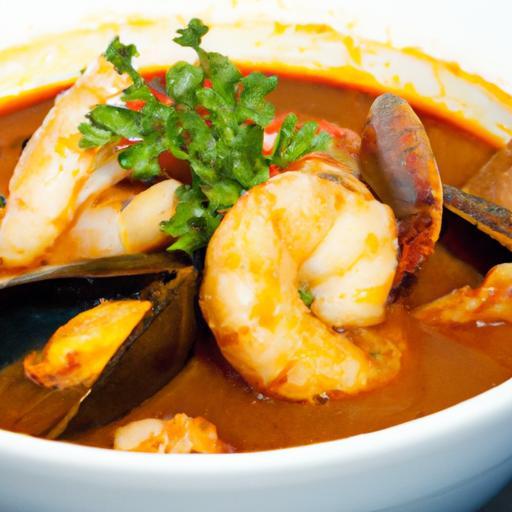
Traditionally, bouillabaisse is served in two glorious stages: first, pour a bowl of the saffron broth accompanied by toasted garlic-rubbed baguette slices topped with rich rouille sauce. This vibrant, spicy garlic mayonnaise adds a luxurious layer to each sip. Then, plate the assorted seafood separately, allowing guests to appreciate the variety of textures-from tender white fish fillets to succulent shellfish.
For visual impact, garnish with fresh parsley, a sprinkle of smoked paprika, or a few crumbled chili flakes. Pair this saffron-infused delight with a crisp Provençal rosé or a mineral-forward mineral water to refresh the palate. A side of ratatouille or lightly dressed Niçoise salad completes the meal, balancing the hearty stew with fresh garden flavors.
For a deeper dive into Mediterranean pairings, check out our article on mediterranean Wine and Food Pairing Essentials.
Prep and Cook time
- Preparation: 30 minutes
- Cooking: 1 hour 15 minutes
- Total Time: 1 hour 45 minutes
Yield
Serves 6 generously,ideal for sharing with family and guests.
Difficulty Level
Medium – requires attention to timing and layering of flavors, but approachable with clear guidance.
Ingredients
- 2 lbs mixed firm white fish fillets (such as ruffe, cod, or snapper), cut into large chunks
- 1 lb mussels, cleaned and debearded
- 1 lb clams, scrubbed
- 12 scampi or langoustines, peeled and deveined
- 4 tbsp extra virgin olive oil
- 1 large onion, finely chopped
- 2 leeks, white parts only, thinly sliced
- 4 garlic cloves, minced
- 3 large ripe tomatoes, peeled and diced
- 1 pinch saffron threads
- 5 cups fish stock (preferably homemade or low sodium)
- 1 bulb fennel, sliced
- 1 tsp smoked paprika
- Fresh bouquet garni (thyme, bay leaf, parsley stalks tied together)
- Salt and freshly ground black pepper to taste
- 1 tbsp pernod or anise essence (optional)
- 1 baguette, sliced and toasted
- Rouille sauce (recipe linked below)
Instructions
- Prepare the broth: Heat olive oil in a large pot over medium heat.Add onions,leeks,and garlic; sauté until translucent and fragrant,about 5 minutes. Stir occasionally to avoid burning.
- Add tomatoes and fennel: Incorporate diced tomatoes and sliced fennel; cook until tomatoes soften, about 8 minutes.
- Infuse the broth: Pour in fish stock and add bouquet garni. Bring to a gentle simmer.
- Saffron soak: Meanwhile, steep saffron threads in 2 tablespoons of warm water for 10 minutes to release their color and aroma.
- Simmer with saffron: Add saffron infusion and smoked paprika to the pot. Cover and gently simmer for 30 minutes,ensuring flavors meld without boiling vigorously.
- Add Pernod: Stir in Pernod or anise essence,if using,for a subtle Mediterranean depth.
- Cook seafood in stages: add firm fish chunks first; simmer 5 minutes. Then add clams and mussels, cover, and cook until shells open, about 5-7 minutes. add scampi or langoustines, cooking for 2 minutes until just pink and tender.
- Prepare to serve: Remove bouquet garni, taste, and adjust seasoning with salt and pepper.
- Toast baguette slices: Rub with crushed garlic and lightly drizzle with olive oil for authentic presentation.
- Serve hot: Ladle broth into bowls accompanied by toasted baguette slices topped with generous dollops of rouille sauce. Arrange seafood on a large platter for sharing.
Chef’s notes
- Seafood Variations: Adjust seafood based on availability; monkfish or sea bass are excellent substitutes.Avoid delicate fish that break apart easily.
- Make-Ahead Tips: prepare the broth and stock a day ahead-flavors improve overnight. Add seafood just before serving to maintain texture.
- Rouille Sauce: This garlicky, saffron mayonnaise is indispensable for serving. Try our trustedrouille recipe on Epicurious for authentic flavor.
- Broth Consistency: If the broth reduces too much, add a splash of warm fish stock or water to maintain a rich but light texture.
Serving Suggestions
Creatively elevate your saffron-infused delight by pairing it with a chilled Provençal rosé or a delicate, lightly oaked Chardonnay. A sprinkle of fresh parsley or finely sliced fennel fronds adds a burst of color. Serve with a bright Niçoise olive salad or grilled seasonal vegetables to balance the richness. For a memorable presentation, ladle broth in individual rustic bowls and display the seafood on a vibrant serving platter garnished with lemon wedges.
| Nutrient | Per Serving |
|---|---|
| Calories | 320 kcal |
| Protein | 42 g |
| Carbohydrates | 15 g |
| Fat | 9 g |

Q&A
Q&A: Savoring French Bouillabaisse – A Saffron-Infused Delight
Q1: What is bouillabaisse,and where did it originate?
A: Bouillabaisse is a conventional Provençal fish stew that hails from the port city of Marseille,nestled along the sun-kissed Mediterranean coast of southern France. Originally a humble fisherman’s dish, it has evolved into a celebrated culinary masterpiece renowned for its rich flavors and aromatic broth.Q2: What makes bouillabaisse distinct from othre seafood stews?
A: Unlike many seafood stews, bouillabaisse brings a harmonious blend of several types of Mediterranean fish and shellfish, simmered slowly with fresh herbs, garlic, and most importantly, fragrant saffron. The saffron threads impart a golden hue and a subtle earthiness that elevates the dish’s signature broth to a sensory experience.
Q3: why is saffron essential in bouillabaisse?
A: Saffron is the aromatic soul of bouillabaisse.Its delicate, slightly sweet and floral notes complement the oceanic freshness of the seafood, balancing robust flavors with elegance. This vivid spice also gives the broth its characteristic sunny color,making the dish as visually inviting as it is indeed flavorful.
Q4: Which types of fish are traditionally used in bouillabaisse?
A: Authentic bouillabaisse incorporates a variety of firm-fleshed Mediterranean fish such as rascasse (scorpionfish), conger eel, monkfish, and sea robin. These species withstand slow cooking and infuse the broth with a deep, complex flavor that’s both savory and bright.
Q5: What role do herbs and vegetables play in bouillabaisse?
A: Freshly chopped fennel, leeks, tomatoes, onions, and garlic create a fragrant medley that forms the stew’s flavorful base. Herbs like thyme, bay leaves, and sometimes a hint of orange zest introduce nuanced layers, enhancing the stew’s aromatic tapestry while complementing the saffron’s warmth.
Q6: How is bouillabaisse traditionally served?
A: Bouillabaisse is typically presented in two stages: first, the golden broth is ladled over toasted slices of crusty French bread rubbed with garlic and topped with rouille-a garlicky, saffron-infused mayonnaise-like sauce. Then,the cooked fish and shellfish are served separately,allowing diners to savor the broth and seafood each in its distinct glory.
Q7: Can home cooks recreate bouillabaisse authentically?
A: Absolutely! While sourcing certain traditional fish may be challenging outside the Mediterranean, home cooks can replicate the essence of bouillabaisse by choosing fresh, firm white fish and a variety of seafood available locally. The key lies in slow-simmering the broth with saffron and herbs, and embracing the dish’s communal, rustic spirit.
Q8: What makes bouillabaisse a special dish beyond its ingredients?
A: Bouillabaisse is more than just a stew-it’s a celebration of maritime heritage and Provençal culture.Each pot tells a story of fishermen’s ingenuity, centuries-old traditions, and the joyful act of sharing a vibrant, saffron-kissed meal with loved ones by the sea. It invites diners to slow down, savor the layers of flavor, and immerse themselves in a timeless taste of France.
To Conclude
As the final spoonful of bouillabaisse lingers on your palate, you’re left with more than just the warmth of saffron and the briny whispers of the sea – you carry with you a taste of Provençal heritage, a story steeped in tradition and coastal charm. This saffron-infused delight is more than a dish; it’s an invitation to slow down, savor the layers of flavor, and connect with the timeless rhythms of French culinary artistry. Whether enjoyed by the Mediterranean shore or recreated in your own kitchen,bouillabaisse beckons you to partake in a flavorful journey where every ingredient sings in harmony,making every meal an unforgettable celebration of the sea.