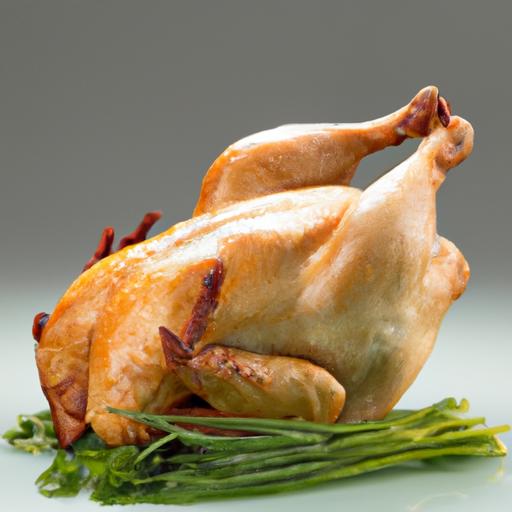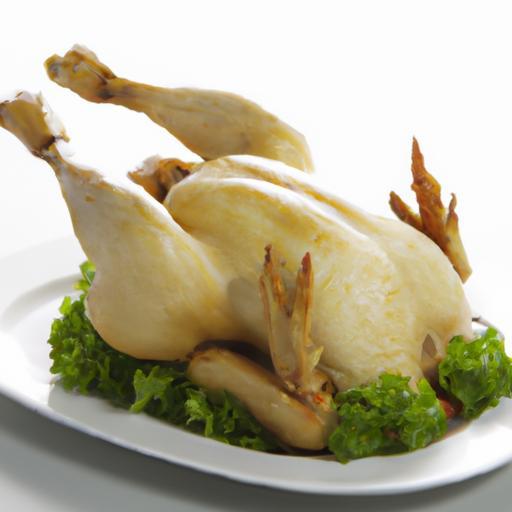
There’s something undeniably magical about a perfectly roasted whole chicken-the tantalizing aroma that greets you at the door, the golden, crisp skin that crackles with each slice, and the tender, juicy meat that promises comfort in every bite. Yet achieving this culinary masterpiece often feels like an elusive quest, a delicate balance of timing, seasoning, and technique. In this article, we will unravel the secrets behind mastering the art of the perfectly roasted whole chicken, transforming a humble bird into a centerpiece worthy of praise and second helpings. Whether you’re a seasoned cook or an adventurous beginner,prepare to elevate your roasting game and fill your kitchen with the soul-satisfying warmth of home-cooked perfection.
Mastering the Art of the Perfectly Roasted Whole Chicken
Mastering the art of the perfectly roasted whole chicken starts with choosing the right bird, unlocking the secrets of marinades and seasonings, and mastering techniques that create irresistibly crispy skin. There’s something truly magical about pulling a juicy, tender chicken from the oven with golden skin that crackles invitingly, promising savory satisfaction and unforgettable comfort.
Prep and Cook Time
- Preparation: 20 minutes
- Marinating: 2 to 12 hours (optional but recommended)
- Cooking: 1 hour 15 minutes to 1 hour 30 minutes (depending on bird size)
- Total time: Approximately 3 hours (including marination)
Yield
Serves 4 to 6 people generously, perfect for family dinners or intimate gatherings.
Difficulty Level
Medium – approachable for enthusiastic home cooks ready to up their roasting game.
Ingredients
- 1 whole chicken (about 4 to 5 pounds), preferably free-range or organic for superior flavor
- 4 tablespoons olive oil
- 3 cloves garlic, minced
- 1 lemon, halved
- Fresh herbs: 2 sprigs rosemary, 2 sprigs thyme, and 2 sprigs parsley
- 1 tablespoon sea salt
- 1 teaspoon freshly ground black pepper
- 1 teaspoon smoked paprika
- ½ teaspoon cayenne pepper (optional, for a subtle warmth)
- 1 cup low-sodium chicken broth (for basting and pan juices)
Instructions
- Select the ideal bird. Choose a fresh, good-quality whole chicken with intact skin and firm flesh. Opt for birds weighing 4 to 5 pounds for balanced cooking and serving sizes.
- Prepare the marinade by combining olive oil, minced garlic, sea salt, pepper, smoked paprika, and cayenne in a bowl. Rub this mixture inside the chicken cavity and all over the skin, ensuring every inch is coated. Stuff the cavity with lemon halves and fresh herb sprigs for aromatic infusion.
- Marinate the chicken in the fridge for at least 2 hours, or up to 12 hours if time allows.This tenderizes the meat and heightens savory, herbaceous flavors.
- Preheat your oven to 425°F (220°C). Place the bird breast-side up on a rack inside a roasting pan to promote air circulation and even heat.
- Roast without disturbance for the first 30 minutes to allow skin to set and crisp. Then, baste the chicken gently with warm chicken broth every 15 minutes to keep the meat moist while encouraging a golden skin.
- Lower the temperature to 375°F (190°C) after 30 minutes and continue roasting for an additional 45 to 60 minutes. Insert a meat thermometer into the thickest part of the thigh; when it reads 165°F (74°C), the chicken is perfectly cooked.
- Achieve crispy golden skin by brushing a tiny bit of oil over the surface during the last 10 minutes of cooking and turning on the oven’s broiler for 2-3 minutes – watch closely to prevent burning.
- Rest your chicken on a cutting board, tented loosely with foil, for 15-20 minutes post-roasting.This lets the juices redistribute evenly, promising juicy tenderness with every slice.
- carve with care. Start by removing the legs and thighs first, then the wings, finally slicing breast meat against the grain for maximum tenderness and impeccable presentation.
Tips for Success
- Brining option: If time permits, dry brine your bird a day ahead using salt and a sprinkle of sugar to lock in moisture.
- Herbal variations: Swap or add tarragon, sage, or oregano to customize your flavor profile.
- Pan juices: Don’t discard these flavorful liquids-use them to make an easy gravy or drizzle over your carving plate for an extra layer of richness.
- Resting matters: Never skip this step; carving too soon causes precious juices to leak and dry out the meat.
- Leftover Magic: Use leftovers for sandwiches, salads, or a comforting chicken soup to extend the joy.
Serving suggestions
Present your perfectly roasted chicken on a wooden board garnished with fresh herb sprigs and lemon wedges for a rustic yet elegant look. Serve alongside roasted seasonal vegetables, creamy mashed potatoes, or a vibrant kale salad for balance.
For an inviting aroma and visual feast, sprinkle flaky sea salt over the carved meat and drizzle a touch of the pan juices or extra virgin olive oil. Pair with a bright chimichurri or garlic aioli for dipping.

| Nutrient | Per Serving (approx.) |
|---|---|
| Calories | 430 kcal |
| Protein | 40 g |
| Carbohydrates | 2 g |
| Fat | 28 g |
For more on roasting techniques, check out our ultimate guide to roasting vegetables. Learn from trusted culinary sources such as USDA Food Safety for safe internal cooking temperatures and best practices.
Q&A
Q&A: Mastering the Art of the Perfectly Roasted Whole Chicken
Q: What is the key to achieving a perfectly roasted whole chicken with crispy skin?
A: The secret lies in drying the chicken skin thoroughly before roasting and seasoning it well with salt. Pat the chicken dry with paper towels and let it air-dry in the fridge uncovered for a few hours if possible. This helps the skin crisp up beautifully in the oven when roasted at a high temperature.
Q: How important is seasoning, and when should I season the chicken?
A: Seasoning is crucial and should be done both inside and out! Generously salt the cavity and the skin, and feel free to add aromatics like fresh herbs, garlic cloves, and lemon slices inside the bird. Seasoning early lets the flavors penetrate the meat deeply, enhancing the overall taste.
Q: What role do aromatics play in roasting a whole chicken?
A: Aromatics are like the soul of the roast-they infuse the meat with subtle flavors that elevate the dish from ordinary to extraordinary. Classic choices include rosemary, thyme, garlic, onion, and citrus zest. Stuff these into the cavity to let their fragrance seep into every juicy bite.
Q: How should I truss the chicken, and why does it matter?
A: Trussing involves tying the legs and wings close to the body with kitchen twine. This encourages even cooking, helps maintain the chicken’s shape, and keeps the breast meat juicy by preventing it from drying out before the thighs are done. It’s a small step with big results.
Q: At what temperature and for how long should I roast a whole chicken?
A: A common approach is to roast at a high temperature around 425°F (220°C) for the first 20 minutes to crisp the skin, then reduce to 375°F (190°C) for the rest of the cooking time. Typically,plan for about 20 minutes per pound (450 grams). Always use a meat thermometer to check for doneness-the internal temperature should reach 165°F (75°C) in the thickest part of the thigh.Q: How can I ensure the chicken stays juicy and not dry?
A: Resting the chicken after roasting is essential. Once out of the oven, tent it loosely with foil and let it rest for 15-20 minutes. This allows the juices to redistribute throughout the meat, making every bite tender and flavorful rather than dry and stringy.
Q: Can I use any roasting pan or do I need a special one?
A: While a roasting pan with a rack is ideal-allowing air circulation and letting fat drip away-you can also use a sturdy baking dish or cast iron skillet. Just ensure the chicken isn’t sitting in its fat to maintain crispy skin and even cooking.
Q: What are some creative ways to serve the perfectly roasted chicken?
A: leftovers can shine in countless dishes: shredded for vibrant salads, tucked into warm flatbreads with fresh herbs, or gently simmered into a comforting chicken stew. Roasted chicken’s versatility makes it a timeless kitchen muse.
Q: Any tips for customizing flavors without overpowering the chicken?
A: Fresh herbs and citrus zest are your best friends for gentle flavor enhancements. Use garlic in moderation, and avoid heavy sauces before roasting. If you want a touch of heat, a light sprinkle of smoked paprika or chili flakes under the skin gives a subtle kick without dominating the natural chicken flavor.
Mastering the perfectly roasted whole chicken is about respecting simplicity and technique-the kind of culinary magic that turns humble ingredients into a meal worthy of party.
Concluding Remarks
With practice and patience,mastering the art of the perfectly roasted whole chicken transforms from a culinary challenge into a delightful ritual. Each step-from selecting the bird to carving the final slices-becomes an prospect to infuse your kitchen with comforting aromas and create memorable meals. As you refine your technique, remember that the magic lies not just in the recipe but in the care and attention you bring to the process. So, embrace the journey, savor each golden, crispy bite, and let your perfectly roasted chicken become the centerpiece of countless gatherings to come.