There’s a reason why pho, the fragrant Vietnamese noodle soup, has captured the hearts and palates of food lovers around the world. At the heart of this culinary masterpiece lies a harmonious blend of tender beef, silky rice noodles, and an aromatic broth simmered to perfection. “Savoring Vietnamese Pho: Beef and Rice Noodles Delight” invites you on a flavorful journey into the soul of Vietnam’s beloved national dish. Beyond just a meal,pho is a sensory experience-a vibrant dance of textures and tastes that speaks to tradition,history,and the art of slow cooking. Join us as we uncover the secrets behind this iconic soup and explore why every bowl of pho is truly a celebration of Vietnamese culture and culinary craftsmanship.
Savoring Vietnamese Pho: Beef and Rice Noodles delight
Savoring Vietnamese Pho is an extraordinary journey into one of Vietnam’s most beloved dishes, where silky rice noodles swim in a fragrant, deeply layered beef broth. This iconic dish, cherished across generations, not only warms the body but invites the soul to experience a vibrant culinary tradition.Originating from Northern Vietnam in the early 20th century, pho beautifully marries simplicity with complexity-transforming humble ingredients into an evocative symphony of flavors and aromas.
Origins and Cultural Significance of Vietnamese Pho
Pho’s origins trace back to the northern regions of Vietnam, where French colonial influence met local tastes, leading to the fusion of beef broth preparation with traditional Asian noodle soups. It rapidly became a street food staple and a symbol of Vietnamese resilience during times of conflict. Today, savoring Vietnamese pho is more than a meal; it’s a cultural ritual that brings families and communities together, embodying warmth, comfort, and hospitality. Beyond nourishment, pho represents a celebration of Vietnam’s rich history and diverse culinary landscape, served steaming and fragrant at dawn markets and cozy eateries alike.
Prep and Cook Time
- Preparation Time: 20 minutes
- Cook Time: 4 hours (slow simmering for broth)
- Total Time: 4 hours 20 minutes
Yield
Serves 6 generous bowls
Difficulty Level
Intermediate – patience and attention to detail are key for perfect depth and flavour
Crafting the Perfect Beef Broth: Tips for Depth and Aroma
At the heart of savoring Vietnamese pho lies the soul-stirring beef broth. Achieving the perfect broth means coaxing every ounce of flavor from quality bones and aromatics through slow, gentle simmering.Start with beef marrow bones and knuckle bones-these release gelatin and richness essential to that velvety mouthfeel. Toasting spices like star anise, cinnamon sticks, cloves, and cardamom before simmering unlocks their fragrant oils, creating a heady aroma that fills the kitchen.
Simmer the broth for at least three to four hours, skimming impurities frequently for clarity. Adding a charred onion and ginger adds an elusive smoky depth that’s signature to pho. The use of fish sauce (preferably high quality) and a pinch of rock sugar balances the savory and sweet notes. Remember, slow and steady heat is your best friend-rushing this step sacrifices precious flavor layers.
Choosing the Ideal Rice Noodles to Complement Your pho
Essential to the pho experience,selecting the right rice noodles elevates the entire bowl. Opt for thin, flat bánh phở noodles that offer a tender yet chewy bite. Fresh rice noodles are even better if accessible-stay mindful of their delicate nature and rinse with cool water before gently warming. Dried noodles require careful soaking and brief blanching to avoid over-softening. Properly prepared noodles soak up the broth’s essence without becoming mushy, creating the perfect balance of texture.
Essential Garnishes and Serving Suggestions for an Authentic Experience
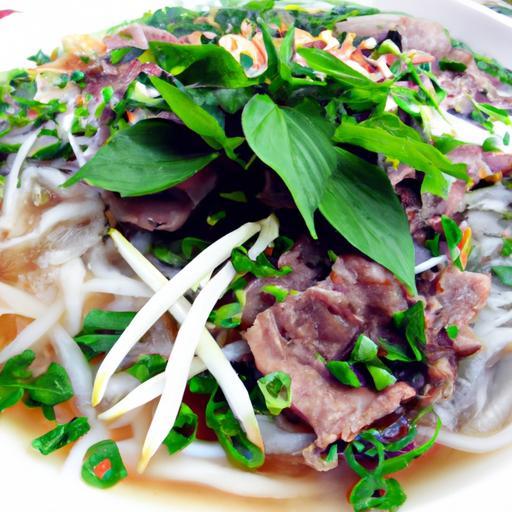
A bowl of pho is truly incomplete without its vibrant accompaniments. A plate of fresh Thai basil, cilantro, lime wedges, and thinly sliced chili offers bursts of freshness and heat. Bean sprouts deliver crispness, while thinly sliced onion enhances subtle bite. Adding thinly sliced raw beef brisket or eye-round to the hot broth cooks it to tender pink perfection, integral for a classic beef pho.
Serve your pho in deep bowls allowing generous ladles of broth to envelop noodles and meats. Offer hoisin sauce and Sriracha on the side for those who love to customize heat and sweetness. a drizzle of fragrant sesame oil or chili-infused oil can add new layers for adventurous palates. encourage guests to mix and match garnishes-this interactive approach honors the communal spirit of savoring Vietnamese pho.
Ingredients
- 4 lbs beef marrow and knuckle bones
- 1 lb beef brisket or eye-round, thinly sliced
- 1 large yellow onion, halved
- 1 piece ginger, 4-inch, halved lengthwise
- 5 star anise pods
- 3 cinnamon sticks
- 5 whole cloves
- 3 green cardamom pods
- 1/4 cup fish sauce
- 1 tsp rock sugar or granulated sugar
- 1 lb dried flat rice noodles (bánh phở) or fresh if available
- Fresh bean sprouts (for garnish)
- Fresh Thai basil sprigs
- Fresh cilantro sprigs
- Thinly sliced white or red onion
- Fresh limes, quartered
- thinly sliced fresh chili (optional)
- Hoisin sauce and Sriracha for serving (optional)
Instructions
- Prepare the bones: Rinse bones with cold water. Bring a large stockpot of water to boil, add bones and brisket, boil for 10 minutes. Drain and rinse bones to remove impurities.
- Char aromatics: On an open flame or dry skillet, char onion and ginger until slightly blackened, about 5 minutes each side.This adds smoky depth.
- Toast spices: In a dry pan, toast star anise, cinnamon sticks, cloves, and cardamom over medium heat for 3-4 minutes until fragrant. place in a spice bag or cheesecloth.
- Simmer broth: Return bones to clean stockpot,add charred onion and ginger,spice bag,5 quarts cold water. Bring to a boil then reduce to a gentle simmer.
- Skim and simmer: Skim foam and impurities from surface every 30 minutes for 3.5 to 4 hours to keep broth clear and pure.
- Season broth: Add fish sauce and rock sugar during last 30 minutes. Adjust saltiness carefully to your taste.
- Prepare noodles: Soak dried noodles in warm water for 30 minutes or until pliable. Drain, then blanch briefly in boiling water just before serving; drain well.
- Assemble bowls: Place noodles in individual bowls, top with thinly sliced raw beef.Ladle steaming hot broth over to cook beef instantly.
- Garnish liberally: serve with fresh herbs, bean sprouts, lime wedges, sliced onion, and chili on the side for diners to customize.
Tips for Success
- For a clearer broth, blanch bones thoroughly and skim frequently enough throughout simmering.
- Do not rush simmering-low heat keeps broth clear and extracts max flavor.
- If using fresh noodles, avoid overcooking to maintain desirable texture.
- Customize protein by swapping beef brisket with tender beef tendon or meatballs for variety.
- Make broth ahead-flavor deepens overnight in the fridge and fats solidify for easy removal.
Serving Suggestions
Serve pho piping hot with a platter of garnishes arranged aesthetically-fresh Thai basil leaves, lime wedges, bean sprouts, and chili are essential. Encourage guests to drop in herbs and spritz lime to awaken radiant, herbal top notes counterbalancing the rich broth. A small dish of hoisin and Sriracha allow for playful heat and sweet contrasts. Present in traditional deep bowls with polished chopsticks and a broad soup spoon to savor every noodle and sip.
| Nutrient | Per serving |
|---|---|
| Calories | 370 kcal |
| Protein | 30 g |
| Carbohydrates | 40 g |
| Fat | 8 g |
Explore more traditional Vietnamese noodle dishes to expand your culinary repertoire.For an in-depth history of pho and its cultural roots,visit Britannica’s article on Pho.

Q&A
Q&A: Savoring Vietnamese Pho: Beef and Rice Noodles Delight
Q1: What exactly is pho, and why is it such a beloved dish in Vietnamese cuisine?
A: Pho is a fragrant Vietnamese noodle soup that has become a culinary ambassador of the contry’s rich food culture. at its heart, pho combines silky rice noodles, tender beef slices, and an aromatic broth simmered for hours with spices like star anise, cinnamon, and cloves. It’s beloved for its harmonious balance of savory, sweet, and fresh flavors-a soul-warming comfort food that captures the essence of Vietnam.
Q2: What cuts of beef are traditionally used in pho?
A: The beauty of pho lies in its variety of beef cuts. Thinly sliced rare beef (like eye of round) is added right before serving to cook gently in the hot broth. Other popular options include brisket for its rich flavor, flank steak for its tenderness, and beef tendon or tripe to provide texture contrasts. Each cut contributes a unique dimension to the bowl, making every spoonful an exploration.
Q3: How is the iconic pho broth prepared to achieve its deep flavor?
A: The broth is the soul of pho and is made by slowly simmering beef bones with charred onion and ginger to build a profound depth of flavor. A carefully balanced bouquet of spices-cinnamon sticks, star anise, cloves, cardamom pods, and coriander seeds-infuses warmth and complexity. The slow cooking process, frequently enough lasting 6-10 hours, extracts gelatin and nutrients from the bones, delivering a clear, aromatic broth that’s both light and robust.
Q4: What makes pho’s rice noodles distinct?
A: Pho rice noodles are flattened, thin, and delicate, crafted from rice flour and water. their subtle slipperiness and soft texture perfectly complement the broth and beef, soaking up flavors while maintaining a pleasant bite. Unlike other noodles, pho noodles have a refined neutrality that allows the vibrant broth and meat to shine.
Q5: What traditional garnishes accompany a bowl of beef pho?
A: Fresh herbs and accompaniments are essential to completing the pho experience. Common garnishes include Thai basil, cilantro, sliced green onions, bean sprouts, and thinly sliced chili peppers. A wedge of lime adds brightness, while hoisin sauce and sriracha offer customizable layers of sweetness and heat. These vibrant additions invite diners to tailor the bowl to their personal taste.
Q6: How should one best savor pho to fully appreciate its complexity?
A: Pho is meant to be savored slowly, allowing each element-broth, noodles, beef, and herbs-to unfold on your palate.begin with a sip of the clear, steaming broth to appreciate its layered aroma. Then combine noodles with tender beef and fresh herbs,adjusting spice and acidity with your garnishes as desired. The harmony between warm broth and crisp, fragrant aromatics encourages a playful, sensory dining ritual.
Q7: Can pho be enjoyed beyond a meal? Does it have cultural significance?
A: Absolutely. Pho is more than just food-it’s a social and cultural tradition. In Vietnam,pho is often enjoyed at any time of day,from breakfast street stalls to late-night eateries,embodying comfort and community. The act of gathering around a steaming bowl evokes friendship and family connection. Pho’s accessibility and depth make it a living symbol of Vietnamese hospitality and culinary pride.
Q8: Are there vegetarian options inspired by the traditional pho experience, given the focus on beef in classic recipes?
A: While classic pho centers on beef broth, many chefs creatively craft vibrant vegetarian pho by substituting beef bones with rich vegetable stocks infused with mushrooms, kombu, and roasted aromatics. Plant-based proteins like tofu or seitan can replace meat slices, and the fresh herbs and spices maintain the iconic pho fragrance. These adaptations honor the spirit of pho while welcoming diverse dietary choices.
Q9: How can home cooks recreate authentic pho at home?
A: Recreating pho at home involves patience and quality ingredients. Start by sourcing beef bones from a trusted butcher,and don’t skimp on fresh spices and aromatics. Simmer the broth gently for several hours, periodically skimming impurities for clarity.Cook rice noodles immediately before serving to preserve their texture.Assemble the bowls just before eating, providing an array of fresh herbs and garnishes so everyone can customize their pho experience.
Q10: What makes eating pho a sensory delight beyond taste?
A: pho engages all senses: the inviting steam and aroma whet your appetite; the vibrant colors of herbs and chilies delight your eyes; the perfect slurp of noodles satisfies your tactile sense; even the rhythmic clinking of chopsticks adds to the atmosphere. it’s a wholesome experience where warmth, flavor, and textures harmonize, making each bowl a celebration of Vietnamese culinary artistry.
insights and Conclusions
As the fragrant steam of a bowl of Vietnamese pho gently rises, it invites not just the palate but the soul to a timeless experience. This harmonious dance of tender beef, silky rice noodles, and aromatic herbs is more than a meal-it’s a celebration of culture, history, and craftsmanship in every spoonful. Whether enjoyed in a bustling Saigon street market or recreated in your own kitchen, savoring pho is a journey through Vietnam’s rich culinary heritage. So next time you cradle that steaming bowl, remember you’re partaking in a delicious tradition that warms hearts and unites communities across the world.