In the bustling tapestry of Taiwanese cuisine, few dishes capture the essence of home-cooked comfort quite like a perfectly sautéed cabbage.”savor the Flavour: Mastering Sautéed Taiwanese Cabbage Delight” invites you on a culinary journey where vibrant textures meet a symphony of subtle, savory notes. This unassuming vegetable, transformed through skillful technique and thoughtful seasoning, becomes a festivity of freshness and tradition. Whether you’re a seasoned chef or an adventurous food lover, mastering this simple yet exquisite dish opens the door to authentic Taiwanese flavors that linger long after the last bite. Join us as we unlock the secrets to sautéing Taiwanese cabbage with flair, precision, and a touch of love.
Savor the Flavor: Mastering Sautéed Taiwanese Cabbage Delight
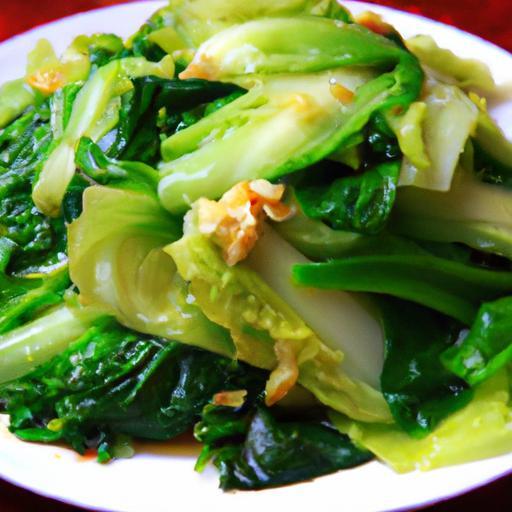
Savor the flavor of perfectly sautéed Taiwanese cabbage-a simple yet profoundly satisfying dish that celebrates the crisp freshness and subtle sweetness of this beloved leafy green. Originating from Taiwan’s vibrant street food culture, this recipe captures the essence of speedy, nutrient-rich cooking that transforms humble cabbage into a tender, aromatic masterpiece. Through balancing essential aromatics and mastering heat control,you’ll unlock layers of depth that make every bite a delight.
Prep and Cook Time
- Readiness: 10 minutes
- Cooking: 8 minutes
- Total time: 18 minutes
Yield
Serves 3-4 as a side dish
Difficulty Level
Easy
Ingredients
- 1 medium head Taiwanese cabbage (about 1.5 lbs), rinsed and roughly chopped
- 2 tablespoons vegetable oil (canola or peanut oil recommended)
- 4 cloves garlic, thinly sliced
- 1 inch fresh ginger, julienned
- 2 small green onions, sliced (white and green parts separated)
- 1 fresh red chili, thinly sliced (optional, adjust to heat preference)
- 1 tablespoon soy sauce (low sodium preferred)
- ½ teaspoon toasted sesame oil
- 1 teaspoon sugar (to enhance natural sweetness)
- Salt and freshly ground black pepper, to taste
Savor the Flavor: Step-by-Step Guide to Perfectly Sautéed Taiwanese Cabbage
- Prepare the cabbage: Slice Taiwanese cabbage into strips about 1-inch wide, ensuring you keep some of the thicker white stems for crunch and contrast.
- Heat the wok or skillet: Place over high heat and add vegetable oil. Once shimmering but not smoking, add the sliced garlic and ginger. Sauté for 30-45 seconds until fragrant-this infuses the oil and sets the aromatic base.
- Add the white parts of the green onion and chili: Toss quickly for 20 seconds until slightly softened but still vibrant.
- Toss in the cabbage: Stir-fry rapidly, working in batches if needed to avoid overcrowding, so the cabbage retains its bright green color and crunch. Sauté for about 5 minutes, stirring frequently until the leaves are tender but not soggy.
- Season and finish: Pour in soy sauce, sprinkle sugar evenly, then toss to coat.Drizzle the toasted sesame oil for an irresistible nutty aroma.Add salt and pepper to taste, stirring through with gentle flips.
- Final touch: Remove from heat and garnish promptly with the green parts of the sliced green onion for freshness and visual appeal.
Chef’s Notes: Tips for Success
- Choosing the best cabbage: Look for heads with firm, crisp leaves that have a vibrant emerald hue and minimal blemishes for maximum freshness and texture.
- Heat management is critical: High heat ensures quick cooking that locks in crunch and prevents mushiness. Avoid over-braising or steaming.
- Customize your aromatics: Fresh ginger and garlic are key, but adding a splash of vegetable broth instead of soy sauce can provide a lighter savory note.
- For a vegan boost: Sprinkle toasted sesame seeds on top just before serving for an appealing texture contrast.
- Make-ahead tips: Prepare chopped cabbage and aromatics in advance; sauté just before serving to maintain optimum texture.
Flavor Boosting Techniques and Serving Suggestions
To elevate your sautéed Taiwanese cabbage, a splash of freshly squeezed lime juice or a sprinkle of toasted white sesame seeds adds refreshing brightness and texture complexity. Pair this dish alongside steamed jasmine rice and a simple stir-fried tofu or mushroom entrée for a balanced, wholesome meal. Garnish with thinly sliced chilies or a handful of chopped fresh cilantro to intensify the aroma.
This dish shines best when the cabbage remains vibrant and the garlic-ginger base sings through each bite-celebrate the simplicity with crisp chopsticks or a rustic wooden spoon presentation.

| Nutrient | Per Serving (approx.) |
|---|---|
| Calories | 90 kcal |
| Protein | 3 g |
| Carbohydrates | 12 g |
| Fat | 4.5 g |
For more inspiring vegetable preparations, explore our Crispy Sesame Green Beans recipe. To learn more about selecting fresh produce like Taiwanese cabbage, visit the USDA’s Food and Nutrition Resource.
Q&A
Q&A: Savor the Flavor: Mastering Sautéed Taiwanese Cabbage Delight
Q1: What makes Taiwanese cabbage so special for sautéing?
A1: Taiwanese cabbage, also known as Napa cabbage, boasts a tender crunch and a subtly sweet, fresh flavor that intensifies when sautéed. Its leaves absorb seasonings beautifully while maintaining structural integrity, making it ideal for quick, high-heat cooking methods like sautéing.Q2: How do I properly prepare Taiwanese cabbage before cooking?
A2: Start by trimming the root end, then separate the leaves and rinse them thoroughly to remove any grit hidden in the layers. Pat dry to avoid excess moisture, which can cause steaming instead of sautéing. For even cooking, slice the cabbage into bite-sized strips or chunks.
Q3: What oil and aromatics best complement Taiwanese cabbage in sautéed dishes?
A3: Light oils with high smoke points, such as vegetable or peanut oil, are perfect for sautéing. Aromatics like garlic, ginger, and scallions provide a fragrant foundation that enhances the cabbage’s natural sweetness without overpowering it.
Q4: How do I achieve that perfect balance of tenderness and crunch?
A4: The secret lies in cooking over medium-high heat and stirring frequently. Sauté the cabbage just until it wilts slightly and turns translucent, usually 3-5 minutes, depending on thickness. This technique preserves its crisp texture while infusing it with flavor.
Q5: What seasonings are essential in traditional Taiwanese cabbage sauté?
A5: A simple yet flavorful mix includes soy sauce for umami depth, a touch of sugar to heighten sweetness, and white pepper to add subtle warmth. Some cooks also enhance thier dish with a splash of sesame oil at the end for a nutty aroma.
Q6: Can I incorporate other vegetables or ingredients without losing the authentic flavor?
A6: Absolutely! Sliced shiitake mushrooms,bamboo shoots,or even a handful of leafy greens like spinach or bok choy can enrich the dish while keeping the focus on the cabbage. Just add them according to their cooking times to maintain balance.
Q7: Is there a traditional serving suggestion for sautéed Taiwanese cabbage?
A7: this dish shines as a vibrant side to steamed rice and can be enjoyed alongside other Taiwanese staples like steamed dumplings or braised tofu. Its lightness and freshness also make it a great accompaniment to bold, savory mains.
Q8: How can I turn this simple sauté into a weeknight meal?
A8: Toss in cooked noodles or stir in a handful of toasted peanuts or toasted sesame seeds for texture. Add firm tofu cubes or a sprinkle of toasted seaweed flakes for extra protein and flavor complexity, creating a satisfying one-pan meal that’s quick and nutritious.
Sautéed Taiwanese cabbage is a humble yet elegant dish that brings a touch of Taiwanese home cooking into your kitchen. With just a few simple steps and ingredients,you can savor its delightful,savory-sweet charm anytime!
In Retrospect
As you close the chapter on your sautéed Taiwanese cabbage adventure,remember that this humble vegetable holds more than just flavor-it carries a story of culture,tradition,and culinary artistry. Mastering this dish is more than perfecting technique; it’s about savoring each bite with thankfulness for the vibrant simplicity and rich heritage woven into every leaf. So next time you fire up your pan, let the sizzling sounds and tantalizing aromas guide you, transforming ordinary cabbage into a delightful celebration of Taiwanese cuisine. Happy cooking, and may your kitchen always be filled with the fragrant magic of sautéed cabbage delights!