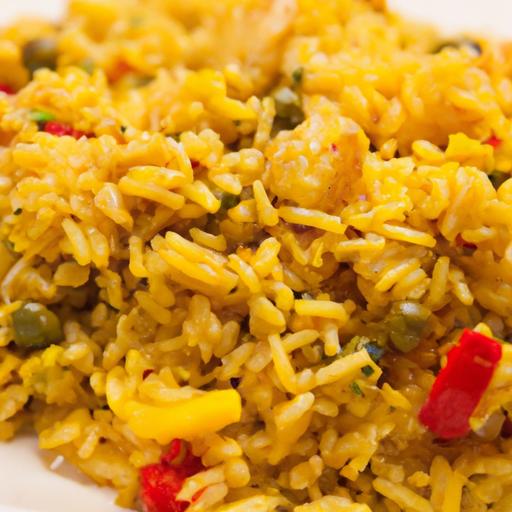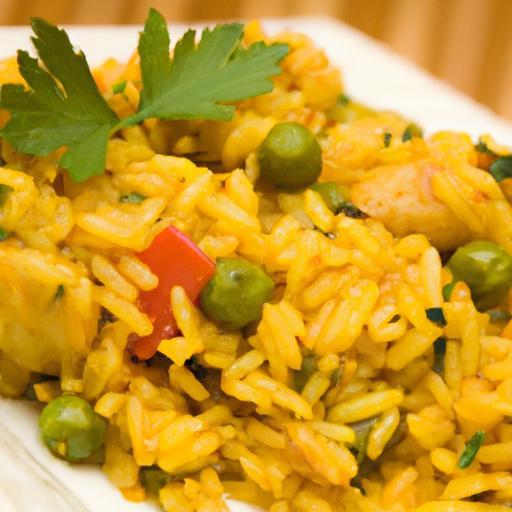
In the sun-drenched kitchens along the Mediterranean coast, a humble yet dazzling dish has long held a cherished place on family tables and festive gatherings alike: Golden Mediterranean Rice pilaf. This flavorful classic recipe is more than just a side-it’s a fragrant tapestry woven from fragrant spices, tender grains, and a heritage that spans cultures and centuries. Whether served alongside roasted meats,fresh seafood,or vibrant vegetables,this radiant pilaf brings warmth,color,and a touch of magic to any meal. Join us as we explore the origins, essential ingredients, and simple techniques behind this timeless Mediterranean treasure, and discover how to bring a golden glow of flavor to your own cooking.
Discovering the Rich History Behind Golden Mediterranean Rice Pilaf
Golden mediterranean Rice Pilaf is a culinary treasure that reflects the vibrant tapestry of Mediterranean culture. This dish, beloved across coastal regions from Greece to the Levant, has been a staple for centuries, known for its fragrant aroma and comforting texture. Passed down through generations, the recipe blends simple yet impactful ingredients-like toasted rice, golden sautéed onions, and rich vegetable broth-into a harmony of flavors that evoke sun-drenched shores and bustling marketplaces.
Originally crafted as a humble accompaniment to hearty Mediterranean stews and grilled vegetables, this rice pilaf has evolved into a celebrated mainstay at family tables and festive gatherings alike.It’s this rich history and soul-nourishing elegance that make the Golden Mediterranean Rice Pilaf a dish worth mastering.
Selecting the Perfect Ingredients for Authentic Flavor
Extraordinary Golden Mediterranean Rice Pilaf begins with the right ingredients. Opt for long-grain white rice or basmati to achieve those distinct, fluffy grains that don’t clump together. Use high-quality extra virgin olive oil to infuse the pilaf with its characteristic silky, fruity undertones. Fresh yellow onions provide sweetness when sautéed, and homemade or store-bought vegetable broth gives the base a deep, savory richness that can’t be replicated with water alone.
Adding freshly minced garlic, a pinch of turmeric or saffron threads for that signature golden hue, and a sprinkle of toasted pine nuts creates layers of taste that define authenticity. Don’t overlook fresh herbs, like parsley or dill, which brighten and freshen the dish upon serving.
Step by Step Guide to achieving Fluffy, Aromatic Rice Pilaf
Mastering the technique behind this iconic dish guarantees your Golden Mediterranean Rice Pilaf turns out perfect every time-light, fragrant, and bursting with flavor.
- Rinse the rice under cold water until the water runs clear to remove excess starch,ensuring separate fluffy grains after cooking.
- Toast the rice: Heat olive oil in a wide saucepan over medium heat. Add the rinsed and drained rice, stirring constantly until the grains turn a warm golden color. This step is crucial for deepening flavor and preventing mushiness.
- Sauté the aromatics: In a separate pan, gently cook finely chopped onions and garlic in olive oil until translucent and fragrant, about 4-5 minutes.
- Combine and simmer: Stir the sautéed onions and garlic into the toasted rice. Add warm vegetable broth infused with turmeric or saffron. Bring to a gentle boil,then reduce heat to low,cover tightly,and simmer for 15-18 minutes without lifting the lid.
- Rest and fluff: Remove from heat and let the pilaf sit covered for 10 minutes. Use a fork to gently fluff the grains,releasing steam and keeping the texture light.
Creative Twists to Elevate Your classic Pilaf Experience
While the classic Golden Mediterranean Rice Pilaf is enchanting on its own, introducing a few inspired variations can transform it into a dazzling centerpiece. Incorporate toasted slivered almonds or chopped pistachios for crunch and nutty richness. Stir in dried fruit like currants or golden raisins to add a subtle sweetness that complements the savory notes.
For an extra burst of Mediterranean flair, fold in finely chopped sun-dried tomatoes, kalamata olives, or a handful of chopped fresh herbs such as mint and basil right before serving. A drizzle of lemon juice or a spoonful of preserved lemon zest elevates brightness and complexity, ensuring each bite is a celebration of flavors.
Prep and Cook Time
- Preparation: 10 minutes
- Cooking: 25 minutes
- Total Time: 35 minutes
Yield
- Serves 4 as a side dish
Difficulty Level
- Easy to Medium – Perfect for cooks ready to master rice pilaf technique
Ingredients
- 1 ½ cups long-grain white rice (basmati works beautifully), rinsed and drained
- 3 tablespoons extra virgin olive oil
- 1 medium yellow onion, finely chopped
- 2 garlic cloves, minced
- 2 ½ cups warm vegetable broth (low sodium preferred)
- ½ teaspoon turmeric or a small pinch of saffron threads, soaked in 2 tbsp warm broth
- Salt to taste (start with 1 teaspoon)
- Freshly ground black pepper, to taste
- ¼ cup toasted pine nuts, for garnish
- 2 tablespoons finely chopped fresh parsley, for garnish
- Optional: lemon wedges for serving
Instructions
- Prepare the rice: Rinse the rice under cold water in a fine mesh sieve until the water runs clear. Drain thoroughly.
- Toast rice: Heat 2 tablespoons olive oil in a large, heavy-bottomed saucepan over medium heat. Add the rice, stirring frequently, until the grains turn lightly golden, about 5 minutes.
- Sauté aromatics: In a separate skillet,warm remaining 1 tablespoon olive oil. Add onion and garlic, cooking gently until soft and translucent, about 4 minutes.Avoid browning to keep the flavor delicate.
- Combine and season: Stir onions and garlic into the toasted rice. Pour in the warm vegetable broth infused with turmeric or saffron. Add salt and pepper, stir once, and bring the mixture to a gentle boil.
- Simmer: Reduce heat to low, tightly cover the pot, and cook undisturbed for 15-18 minutes, or until liquid is absorbed and rice is tender.
- Rest and fluff: Remove from heat and let the pilaf sit covered for 10 minutes. Fluff gently with a fork to separate grains.
- Garnish and serve: Sprinkle toasted pine nuts and fresh parsley over the top. Serve with lemon wedges on the side for a vibrant finishing touch.
Chef’s Notes & tips for Success
- Use quality broth: A rich, home-cooked vegetable broth elevates the pilaf far beyond water, creating depth and warmth in every bite.
- Don’t skip toasting: Toasting the rice is critical-it deepens flavor and prevents mushiness, giving you that classic fluffy yet distinct grain texture.
- Control heat: Keep your simmer low and the lid tight during cooking; lifting the lid releases steam and alters texture.
- Make ahead tip: You can prepare the rice ahead of time and gently reheat with a splash of broth or olive oil over low heat to refresh fluffiness.
- Allergy substitute: Omit pine nuts for nut allergies and replace with toasted sunflower seeds or pumpkin seeds for crunch.
Serving Suggestions
This golden-hued, aromatic rice pilaf pairs beautifully with grilled vegetables, hearty Mediterranean stews, or as a bed for sautéed seafood or roasted chicken. Garnish generously with fresh herbs such as parsley or dill and a sprinkle of crunchy toasted pine nuts. A wedge of lemon served alongside adds a luminous, tangy contrast that awakens the palate and complements the earthiness of the pilaf perfectly.

| Nutritional Info (per serving) | amount |
|---|---|
| Calories | 280 kcal |
| Protein | 5 g |
| Carbohydrates | 45 g |
| Fat | 7 g |
Enhance your Mediterranean menu further by exploring our Mediterranean Vegetable Stew recipe, a perfect companion to your pilaf. For deeper insights on saffron’s role in cooking and history, visit the authoritative Encyclopedia Britannica.
Q&A
Q&A: Golden Mediterranean Rice Pilaf – Unlocking the Secrets of a Flavorful Classic
Q1: What makes golden Mediterranean Rice pilaf a timeless classic?
A1: Golden Mediterranean Rice Pilaf captivates with its vibrant color, fragrant aroma, and perfectly tender grains. This dish combines the nutty warmth of toasted rice with a symphony of Mediterranean spices and fresh ingredients, delivering a harmonious balance that feels both comforting and exotic. Its versatility and rich heritage make it a beloved staple across coastal regions.
Q2: Which rice variety works best for this pilaf?
A2: Long-grain rice is the champion for Mediterranean pilaf-think basmati or jasmine-as its slender grains remain separate and fluffy after cooking. The pilaf technique, which includes toasting the rice before simmering, helps preserve the integrity of each grain, ensuring a light, fluffy texture that soaks up flavors without becoming mushy.
Q3: How can I achieve that distinctive golden hue in the rice?
A3: The signature golden color comes from sautéing the rice gently in olive oil until it becomes translucent with hints of toasted brown. Incorporating a splash of saffron or turmeric during cooking adds warmth and brilliance, enhancing both appearance and depth of flavor without overpowering the dish.
Q4: Which spices bring out the authentic Mediterranean essence in this dish?
A4: Classic Mediterranean spice staples such as cinnamon, cumin, and a touch of coriander create a fragrant backdrop for the pilaf. Fresh herbs like parsley, dill, and mint added at the end brighten the dish, infusing it with garden-fresh vibrancy.For a subtle heat, a pinch of Aleppo pepper or smoked paprika can be delightful additions.
Q5: What vegetables and ingredients pair well in a Mediterranean pilaf?
A5: Aromatic onions and garlic build the foundation, while diced carrots, peas, or sweet bell peppers add bursts of color and sweetness.Toasted pine nuts or slivered almonds bring a satisfying crunch and buttery nuance. Sun-dried tomatoes or kalamata olives introduce tangy contrasts, elevating the complexity and reinforcing the Mediterranean soul of the dish.
Q6: Can Golden Mediterranean Rice Pilaf be made ahead of time?
A6: Absolutely! This pilaf reheats beautifully, making it perfect for meal prepping or dinner parties.To preserve its fluffy texture, store it in an airtight container and reheat gently with a splash of broth or water over low heat, fluffing with a fork before serving.
Q7: Is this pilaf suitable for vegetarians and vegans?
A7: Yes! The recipe is traditionally plant-forward, often relying solely on olive oil, aromatic vegetables, herbs, and spices. Swapping chicken broth for vegetable stock keeps it wholesome and fully vegetarian or vegan without sacrificing richness or flavor.
Q8: What dishes can I serve alongside Golden Mediterranean Rice Pilaf?
A8: This pilaf acts as a perfect canvas, pairing beautifully with grilled seafood, roasted vegetables, or hearty legumes like chickpeas and lentils. A fresh cucumber and tomato salad dressed in lemon and herbs complements it with crisp acidity, while tzatziki or baba ganoush offer creamy, tangy contrasts.
Q9: How can I customize this pilaf to suit different flavor preferences?
A9: Since pilaf is wonderfully adaptable, you can experiment by swapping herbs-try oregano instead of mint-or incorporating different nuts, like walnuts or cashews. Including toasted sesame seeds adds an Asian-inspired twist, while stirring in preserved lemons lifts the dish with zesty brightness.
Q10: What cooking tips ensure perfectly cooked pilaf every time?
A10: Patience is key: toast the rice slowly over medium heat,stirring frequently to prevent burning. Use a flavorful broth warmed beforehand, and maintain a gentle simmer with the pot covered, resisting the urge to stir during cooking. Once done, let the pilaf rest off heat for a few minutes, allowing the grains to steam to fluffy perfection.
Embrace the golden glow and timeless taste of Mediterranean cuisine with this rice pilaf-a dish that’s as colorful and inviting as a sunlit seaside terrace!
To Wrap It Up
As the comforting aroma of saffron and toasted pine nuts lingers in the air, this Golden Mediterranean Rice Pilaf reminds us why some recipes become timeless classics.Simple yet sophisticated, it captures the essence of sun-soaked coastal kitchens and the warmth of shared meals.Whether served as a vibrant side or a satisfying main, this pilaf invites you to savor the rich traditions and vibrant flavors of the Mediterranean with every golden grain. so next time you crave a dish that’s both familiar and enchanting, let this flavorful classic transport your taste buds to a place where history and hospitality meet in perfect harmony.