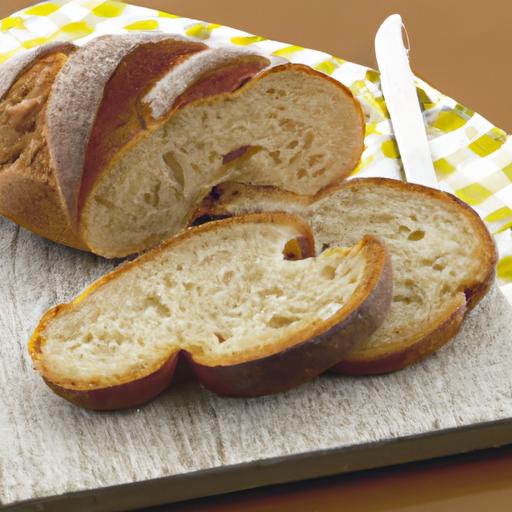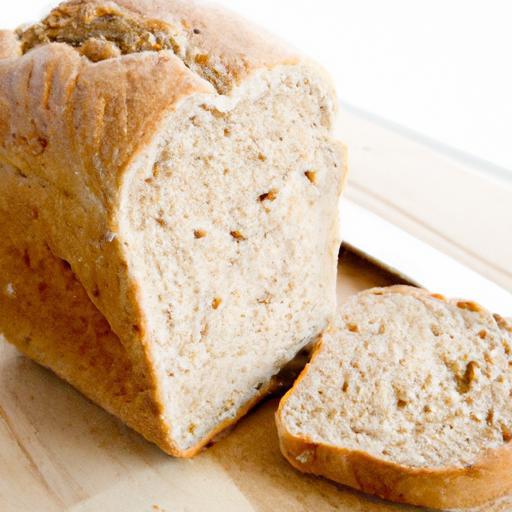
There’s something deeply satisfying about the aroma of freshly baked bread wafting through your kitchen-a timeless comfort that connects us to tradition and the simple joys of home. Whole wheat bread, with its rich, nutty flavor and wholesome goodness, is a nourishing staple that many aspire to master. Yet, the challenge frequently enough lies in achieving that perfect texture: moist, tender crumb with just the right amount of heartiness. Enter the bread machine-a modern marvel that takes the guesswork out of baking and transforms whole wheat bread-making into an easy, foolproof adventure. In this article,we’ll guide you through a straightforward bread machine recipe designed to help you perfect your whole wheat loaf every time,delighting your senses and fueling your days with wholesome goodness.
Choosing the Ideal Whole Wheat Flour for Optimal Texture and Flavor
Perfecting Whole Wheat Bread begins with selecting the right flour. Not all whole wheat flours are created equal, and this choice dramatically influences the bread’s crumb, chew, and aroma. Opt for freshly milled whole wheat flour whenever possible-its slightly nutty, earthy aroma elevates every loaf.If fresh milling isn’t an option, look for brands labeled “100% whole wheat” or “stone-ground” to retain the grain’s natural oils and flavor complexity.
For a softer texture, consider blending whole wheat flour with a small portion of white whole wheat or high-protein bread flour; this balances the dense bran content and improves gluten growth. The finer the flour’s grind, the lighter your bread’s texture will be. The ideal whole wheat flour gives a hearty taste without a heavy mouthfeel, perfect for your bread machine to work its magic.
Mastering the Hydration Ratio for Soft and Moist Bread
Hydration is the unsung hero of soft, moist bread. Whole wheat flour absorbs more water than white flour due to its fibrous bran and germ. A hydration level around 75-80% (that is, 75-80 grams of water per 100 grams of flour) typically yields a tender crumb without stickiness.
Begin with 1 cup of water for every 1 1/3 cups of whole wheat flour as your baseline. Fine-tune by observing your dough’s consistency: it should be tacky but not overly sticky. When using your bread machine, keep water temperatures between 75°F and 85°F to activate the yeast without overheating, ensuring steady rising and a moist inside.
Unlocking the Power of Natural Sweeteners to Enhance Taste
Natural sweeteners like honey, maple syrup, or date syrup do more than sweeten-they enhance the crust’s color, contribute to Maillard browning, and deepen flavor nuances in your bread. When included in moderation, about 2 tablespoons per loaf, these sweeteners boost yeast activity and bring out subtle caramel notes.
Honey’s floral undertones complement whole wheat flour’s nuttiness, while maple syrup gives a richer, slightly smoky finish. Try swapping conventional sugar with these natural sweeteners for a warm, satisfying loaf that’s uniquely yours.
Techniques to Achieve the perfect Crust Using Your Bread Machine
Achieving an ideal crust with your bread machine is an art. To get a crust that’s crisp but not too tough, start by selecting a medium or dark crust setting if your machine offers it. This lets the sugars caramelize progressively, delivering those inviting golden hues.
For an even better crust, brush a light coating of water or natural sweetener diluted in water onto the dough’s surface right before the final rise. This encourages a crackly, shiny finish onc baked.Additionally, placing a small pan of water inside your oven during the baking phase can add steam-however, with bread machines, ensure it’s compatible before attempting this method.
Don’t be afraid to experiment with timing: some machines allow you to program extra bake time if you prefer a crunchier crust, while others let you interrupt the cycle to add seeds or grains for added texture.
Prep and Cook Time
- Prep Time: 10 minutes
- Rise Time: 1 hour 30 minutes (machine cycle)
- Bake Time: 45 minutes (machine cycle)
- Total Time: Approximately 2 hours 25 minutes
Yield
One 1.5-pound loaf, approximately 12 slices.
Difficulty level
Easy – perfect for beginners and seasoned bakers alike using a bread machine.
Ingredients
- 1 1/3 cups whole wheat flour, freshly milled or stone-ground
- 1/3 cup bread flour (optional, for lighter texture)
- 1 cup water, lukewarm (75°F-85°F)
- 2 tbsp natural sweetener (honey, maple syrup, or date syrup)
- 1 1/2 tsp instant yeast
- 1 tsp fine sea salt
- 1 tbsp olive oil (adds tenderness and moisture)
Instructions
- Prepare your bread machine: Ensure the baking pan and paddles are securely in place.
- Measure liquids first: Add lukewarm water, the natural sweetener, and olive oil to the pan.
- Add dry ingredients carefully: Spoon in the whole wheat flour and bread flour (if using), then sprinkle salt in a corner, taking care to keep it separate from the yeast.
- Add yeast last: Create a small well in the flour and pour in the instant yeast, ensuring it doesn’t touch the salt directly.
- Select your settings: Choose the whole wheat bread program on your machine, medium crust color, and the loaf size (usually 1.5 lbs).
- Start the machine: Let the bread machine mix, knead, rise, and bake-usually about 2 hours and 25 minutes total.
- Mid-cycle check (optional): If your machine pauses to add ingredients, this is a great time to sprinkle seeds or grains on top for extra texture.
- Cool the bread: Remove the loaf from the machine once finished and cool on a wire rack for at least 30 minutes to set the crumb and prevent sogginess.
Tips for Success
- Adjust hydration: Depending on your flour brand and humidity, you might need slightly more or less water. A tacky dough is ideal.
- Fresh yeast wins: Always check expiration dates on yeast to guarantee a good rise.
- Toast your flour: For a richer, toasted flavor, briefly dry-toast whole wheat flour in a skillet over low heat before using.
- Make-ahead: Dough can be prepared the night before and refrigerated-just select the delayed start feature on many bread machines.
- Substitutions: Substitute olive oil for melted coconut oil for a subtle hint of sweetness;
- Storage: Wrap the cooled loaf tightly in foil or a bread box to maintain moisture.
Serving Suggestions
This Perfecting Whole Wheat Bread loaf shines fresh from the oven, slathered with creamy unsalted butter and a sprinkle of flaky sea salt. Serve warm alongside hearty soups or freshly churned nut butters for breakfast. For visual appeal, garnish sandwiches with microgreens and colorful heirloom tomato slices to highlight the bread’s rustic texture.
slice thick for paninis or thin for tea sandwiches, and consider toasting for an irresistible crunch. A dusting of whole wheat flour on the crust before baking adds charming artisan character that will impress every guest.
Nutritional Facts
| Nutrient | Per Slice (1/12 of loaf) |
|---|---|
| Calories | 110 |
| Protein | 4g |
| Carbohydrates | 20g |
| Fat | 2g |
| Fiber | 3g |

For further insights on yeast bread techniques and flour varieties, explore our complete bread flour guide.To deepen your understanding of water’s role in dough,visit the Baking Techniques Hydration resource.
Q&A
Q&A: Perfecting Whole Wheat Bread with an Easy Bread Machine Recipe
Q1: Why is whole wheat bread sometimes denser than white bread?
A1: Whole wheat flour contains the entire grain – bran, germ, and endosperm – which adds fiber and nutrients but can also weigh down the dough. The bran can interfere with gluten development, resulting in a denser crumb. Using a bread machine’s kneading and rising cycles helps strengthen the gluten, but patience is key for a soft, well-risen loaf.
Q2: How can I make my whole wheat bread lighter and fluffier using a bread machine?
A2: Start by combining whole wheat flour with a bit of bread flour or vital wheat gluten to boost gluten structure. Adding natural sweeteners like honey or molasses not only enhances flavor but also encourages a good rise. Don’t forget to measure ingredients carefully – too much flour or salt can create a heavy loaf. selecting a “whole wheat” or “gluten” setting on your bread machine ensures the right kneading and rising times.
Q3: What’s the secret to preventing my whole wheat bread from drying out?
A3: Whole wheat flour tends to absorb more water, so it’s critically important to keep your dough moist but not sticky.Using ingredients like olive oil or a touch of unsweetened applesauce can add moisture and improve softness.Avoid overbaking by keeping an eye on your bread machine’s baking cycle and removing the bread promptly when done.
Q4: Can I add seeds or nuts to my whole wheat bread in a bread machine?
A4: Absolutely! Adding ingredients like sunflower seeds, flaxseeds, or chopped walnuts brings delightful texture and nutrition. Many bread machines have a special “add-ins” beep during kneading – this is the perfect time to toss them in. Be mindful of quantity to avoid disrupting the loaf’s structure.
Q5: How important is the order of ingredients when using a bread machine?
A5: Very important! Typically, liquids go in first to help the yeast activate properly. Then add flours,salt,sweeteners,and finally yeast on top – keeping it separate from salt and liquids ensures a good rise. This sequence prevents premature yeast activation and gives you a perfect loaf every time.
Q6: Will using warm water instead of cold water improve my whole wheat bread?
A6: Yes! Warm water around 100°F (38°C) activates the yeast more efficiently, jumpstarting the fermentation process without killing the yeast. Be careful not to use water that’s too hot – it can kill the yeast and prevent rising entirely.
Q7: How do I store my homemade whole wheat bread to keep it fresh?
A7: Store your bread in a bread box or a breathable cotton bag at room temperature to maintain crust crispness while preventing it from drying out. For longer storage, slicing and freezing the bread in airtight bags allows you to thaw just what you need without sacrificing freshness.
Q8: Can I customize the flavor of my whole wheat bread in the bread machine?
A8: Definitely! Experimenting with herbs like rosemary or thyme, or adding a dash of cinnamon and nutmeg, can elevate your loaf. For a subtle sweetness, swap some of the water for orange juice or use maple syrup instead of honey. The bread machine makes it easy to try new combos with minimal effort.
perfecting whole wheat bread in a bread machine is both an art and a science. armed with these tips, your kitchen will soon fill with the irresistible aroma of freshly baked, wholesome goodness – easy, nutritious, and delightfully satisfying!
In Retrospect
Baking the perfect whole wheat bread doesn’t have to be a daunting task reserved for seasoned bakers.With the help of your trusty bread machine and this easy recipe, you can enjoy the wholesome goodness of freshly baked, aromatic bread right from your own kitchen. Remember, every loaf is a learning experience-adjusting flour ratios, hydration, or kneading times can transform your bread into a personalized masterpiece. So, embrace the process, experiment with ingredients, and most importantly, savor the rewarding aroma and taste of your homemade whole wheat bread. Your journey to perfect bread starts with just one simple cycle in your bread machine!