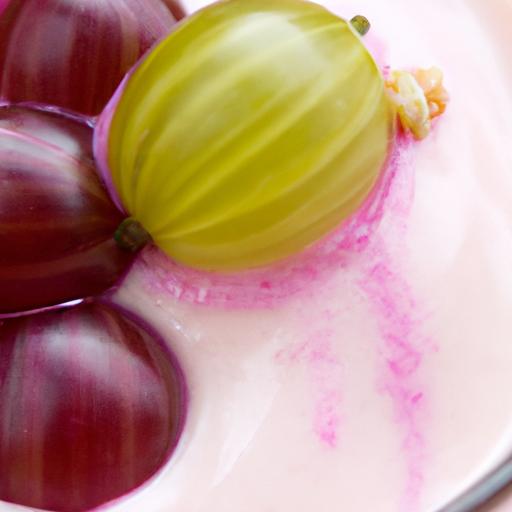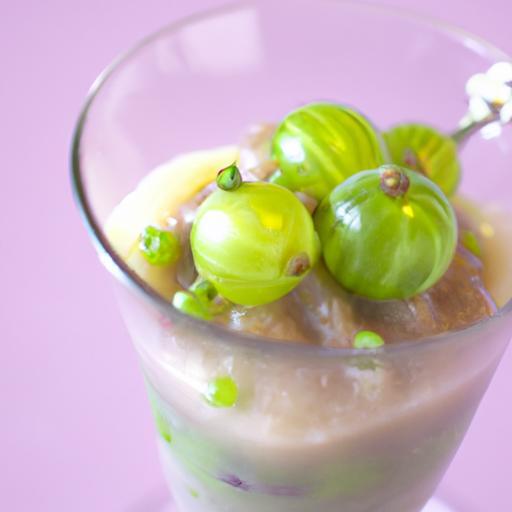
Nestled within the rich tapestry of British culinary tradition lies a dessert both humble and enchanting: the gooseberry fool.This tangy treat, with its rosy blush and velvety texture, has quietly delighted palates for centuries, marrying the sharp zest of gooseberries with the silky sweetness of whipped cream. More than just a simple pudding, the gooseberry fool is a party of seasonal bounty and old-fashioned comfort, a classic that bridges the gap between rustic charm and refined indulgence. Join us as we uncover the history, flavor, and enduring appeal of this quintessentially British dessert-a true tangy delight that continues to captivate taste buds across generations.
The Origins and Cultural Meaning of Gooseberry Fool
Gooseberry Fool is a quintessential British dessert that celebrates the vibrant, tart essence of gooseberries folded into luxuriously whipped cream. This cherished treat dates back to the 17th century, when English cookbooks frist recorded fools as a simple mixture of pureed fruit and cream or custard. Popular among rural families for its effortless yet elegant preparation, gooseberry fool embodies the spirit of British summer gardens and timeless countryside charm.
Traditionally enjoyed as a fresh, seasonal dessert, gooseberry fool became an emblem of British culinary ingenuity-transforming the humble, sometimes sour gooseberry into a silky, sweet delight. Its popularity soared during the Victorian era, when preserving methods allowed households to enjoy this tart fruit throughout colder months, making gooseberry fool a culinary symbol of resilience and resourcefulness.
Mastering the Perfect Balance of Sweet and Tangy Flavors
At its heart, the magic of gooseberry fool lies in balancing the fruit’s natural tartness with just enough sweetness to create a harmonious flavor profile that is together refreshing and indulgent. Selecting ripe gooseberries-firm, vividly colored, and slightly translucent-ensures a burst of natural acidity. Sweetening with caster sugar or honey softens the edge without overpowering the fruit’s brightness.
Whipping the cream to perfection is equally vital; it must be light enough to carry the fruit puree but rich enough to provide a velvety mouthfeel. The folding technique, employed gently to avoid deflating the cream, locks in air, giving the dessert its signature airy texture. Touches of vanilla or a hint of citrus zest can enhance complexity, creating layers of flavor that awaken the palate with each spoonful.
Prep and Cook Time
- Preparation: 15 minutes
- Cook Time: 10 minutes (for cooking the gooseberries)
- Total Time: 25 minutes
Yield
serves 4 elegantly sized portions
Difficulty Level
Easy
ingredients
- 450g fresh gooseberries, cleaned and topped
- 100g caster sugar, adjust to taste
- 250ml double cream (heavy whipping cream), chilled
- 1 tsp vanilla extract
- 1 tbsp fresh lemon juice
- Optional: Zest of ½ lemon for garnish
- Fresh mint leaves for decoration (optional)
Instructions
- Cook the Gooseberries: Place the gooseberries, sugar, and lemon juice in a medium saucepan over medium heat. Cook gently, stirring occasionally until the berries burst and soften, approximately 8-10 minutes.Remove from heat, and allow the mixture to cool slightly.
- Puree the Fruit: Transfer the cooled gooseberry mixture to a blender or food processor and pulse until smooth but still slightly textured. Set aside to cool wholly.
- Whip the Cream: In a chilled bowl, pour the double cream and add vanilla extract. Whip to soft peaks using an electric mixer or whisk. Be careful not to over-whip, or the cream will become grainy.
- Fold in the Puree: Gently fold the gooseberry puree into the whipped cream, using a rubber spatula. Aim for a marbled effect by folding lightly rather than fully blending-the swirls create a visually stunning dessert.
- Chill and Serve: Spoon the gooseberry fool into serving glasses or bowls. Chill in the refrigerator for at least 30 minutes to allow flavors to marry and texture to settle.
- Garnish and Present: Just before serving, garnish with a sprinkle of lemon zest and a few fresh mint leaves for an added pop of color and freshness.
Tips for Success
- Adjust sweetness: Taste your gooseberry puree before combining with cream. Gooseberries vary in tartness-add more sugar if they seem particularly sharp.
- Chill everything: Keep cream,bowls,and utensils chilled to achieve the best whipping texture and temperature contrast.
- Fold, don’t stir: For the classic lightness, use a gentle folding motion to combine cream and puree, preserving the airy texture.
- Make-ahead option: Prepare the puree up to two days in advance and store in an airtight container. Whip cream fresh just before assembly to maintain volume.
- Seasonal variations: Substitute gooseberries with other tart fruits like rhubarb or green apples for a delicious twist while keeping the fool’s essence.
Serving Suggestions
Serve your gooseberry fool in delicate glassware-a parfait glass or vintage coupe highlights its elegant swirls and subtle green hue. Pair with a light shortbread biscuit or buttery madeleine to add a crisp, crumbly contrast.For a richer experience, drizzle a small amount of honey or add a dollop of mascarpone on the side. Fresh berries or edible flowers create a stunning, Instagram-worthy garnish that complements the fool’s refreshing taste and visual allure.

| Nutrient | Per Serving |
|---|---|
| Calories | 210 kcal |
| Protein | 3 g |
| Carbohydrates | 22 g |
| Fat | 13 g |
For more British dessert inspiration, check out our Classic English Trifle to celebrate seasonal fruits in new ways.For deeper historical context on British culinary traditions, the British food History Archive offers outstanding resources.
Q&A
Q&A: Gooseberry Fool: A Tangy British Dessert Delight Uncovered
Q1: What exactly is a Gooseberry Fool?
A1: A Gooseberry Fool is a conventional British dessert that pairs the tartness of gooseberries with the creamy, smooth texture of whipped cream. It’s essentially a luscious blend of stewed gooseberries folded gently into fresh cream or custard, creating a balance of tangy and sweet flavors that dance on your palate.
Q2: Where did the Gooseberry Fool originate?
A2: The Gooseberry Fool dates back to the 17th century in Britain.The name “fool” comes from the Old French word fouler, meaning “to crush or mash,” reflecting the original preparation of mashing fruit into cream. It’s a beloved classic that has stood the test of time as a simple yet elegant dessert.
Q3: What makes gooseberries so special in this dessert?
A3: Gooseberries have a unique tartness that ranges from mildly sweet to quite sharp, depending on their ripeness. This natural acidity cuts through the richness of the cream, making the dessert refreshing rather than overly heavy. Their delicate, slightly grassy flavor adds complexity and a vibrant zing that’s hard to replicate.
Q4: How is a Gooseberry Fool traditionally prepared?
A4: Traditionally, fresh gooseberries are stewed gently with a bit of sugar until they soften and release their juices.After cooling, the stewed gooseberries are folded into softly whipped cream or sometimes custard. The mixture is chilled before serving, allowing the flavors to meld into a creamy, tangy delight.Q5: Can Gooseberry Fool be customized?
A5: Absolutely! While the classic recipe calls for simple ingredients, many like to enhance their fool with a hint of vanilla, lemon zest, or a sprinkle of crushed almonds for texture. Some add a drizzle of honey to temper the tartness or a few fresh mint leaves to refresh the palate. Though, the heart of the dish remains the balance between fresh, tangy gooseberries and smooth cream.
Q6: When is the best time to enjoy gooseberry Fool?
A6: Gooseberries are typically in season during the summer months, making late June through August the prime time for this dessert.It’s a perfect dish for warm weather, served chilled after a light lunch or as a sweet finish to an alfresco dinner.
Q7: Is Gooseberry fool suitable for dietary preferences?
A7: Gooseberry Fool can easily be adapted for various diets. for a lighter option, use low-fat yogurt rather of cream, or substitute dairy cream with coconut or almond-based alternatives for a vegan twist. The natural sweetness of the gooseberries allows for minimal added sugar, keeping it a wholesome treat.
Q8: What occasions are perfect for serving Gooseberry Fool?
A8: Gooseberry Fool shines at summer picnics, garden parties, and casual family gatherings. Its bright,refreshing character makes it ideal for any occasion that calls for a light,fruity dessert. Plus, its straightforward preparation means you can whip it up in no time, impressing guests with authentic British charm!
Q9: How does Gooseberry Fool compare to other fruit fools?
A9: While many fruits can be used to create fools-rhubarb, strawberries, and raspberries are popular choices-gooseberries provide a uniquely sharp tang that offers a more pronounced contrast with the cream.This characteristic tartness gives the Gooseberry Fool its signature zing, setting it apart as a distinctly british delight.
Q10: Where can I find gooseberries outside of britain?
A10: Gooseberries are grown in many temperate regions worldwide but can sometimes be elusive in regular markets. Specialty farmers’ markets, organic stores, or online sources often carry fresh or frozen gooseberries. If fresh gooseberries aren’t available, frozen ones are an excellent choice for making your fool.
Delving into the world of Gooseberry Fool reveals not just a dessert but a slice of British heritage-a tangy, creamy celebration of summer’s bounty that invites both history lovers and sweet tooths alike to savor every spoonful.
To Conclude
As we peel back the layers of the humble gooseberry fool, it’s clear this tangy British dessert is much more than just a sweet treat-it’s a luscious celebration of seasonal abundance and culinary heritage. Whether spooned over a summer picnic or served at a cozy winter gathering, its bright flavors and creamy texture continue to charm palates across generations. So next time you’re craving a dessert that’s both refreshingly simple and steeped in tradition, let the gooseberry fool remind you that sometimes, the most delightful pleasures come from the smallest, tartest berries.