Nestled within the realm of world cuisines, the humble pita pocket stands as a marvel of culinary ingenuity-a soft, pillowy envelope that cradles an array of vibrant flavors and textures. More than just bread, this golden-hued pocket holds the key to a versatile dining experience, inviting food lovers to embark on a journey of taste that spans continents and cultures. In “pita Pocket Secrets: A Delicious Pocket of Culinary Delight,” we’ll unwrap the mysteries behind this beloved staple, exploring its origins, the art of crafting the perfect pocket, and the countless ways it can be transformed into a feast for both the eyes and the palate. Whether you’re a seasoned foodie or a curious newcomer, prepare to discover how this simple pocket bread delivers endless possibilities and unforgettable bites.
Pita pocket Secrets unlock the magic behind achieving irresistibly fluffy, soft pockets that hold an array of global flavors with finesse. Originating from the Middle East, pita bread has become a canvas for culinary creativity worldwide, celebrated for its light, pillowy texture and pocket-perfect shape. My journey experimenting with various flours, hydration levels, and baking techniques revealed the subtle nuances that make homemade pita truly remarkable-soft enough to tear effortlessly yet sturdy enough to cradle vibrant fillings without collapsing. This guide will walk you through indispensable baking tips, global fillings to spark your creativity, luscious sauces to elevate every bite, and presentation ideas that turn humble pita pockets into unforgettable meals.
Pita Pocket Secrets: Prep and Cook Time
- Preparation Time: 15 minutes
- Rising Time: 1 hour 30 minutes
- Baking Time: 5-7 minutes per batch
- Total Time: Approximately 2 hours
Pita Pocket Secrets: Yield
Yields 8 medium-sized pita pockets (approximately 6-inch diameter)
Pita Pocket Secrets: Difficulty Level
Medium – requires basic dough handling skills and careful temperature control for puffing
Pita Pocket Secrets: Ingredients
- 3 ½ cups all-purpose flour, sifted
- 1 ¼ cups warm water (105°F/40°C)
- 2 tsp active dry yeast
- 1 tbsp sugar
- 2 tbsp olive oil, plus extra for greasing
- 1 tsp salt
- Optional: 1 tbsp whole wheat flour (for added texture)
Pita pocket Secrets: Instructions
- Activate the Yeast: In a small bowl, combine warm water, sugar, and yeast.Stir gently and let sit for 5-10 minutes until foamy and bubbly, signaling the yeast is alive.
- Mix Dough: In a large bowl, whisk together the sifted flour and salt. Make a well in the center and pour in the yeast mixture and olive oil.
- Knead: Combine ingredients until a sticky dough forms. Transfer to a lightly floured surface and knead for 8-10 minutes until the dough becomes smooth and elastic. If the dough is too sticky, dust with a little flour, but avoid adding too much.
- First Rise: Lightly oil a clean bowl, place the dough inside, and cover with a damp kitchen towel or plastic wrap. Allow it to rise in a warm place for about 1 to 1.5 hours, or until it doubles in size.
- Shape Pitas: Punch down the dough and divide it into 8 equal portions. Roll each ball into a smooth sphere. Using a rolling pin, flatten each ball into a ¼-inch thick circle, roughly 6 inches in diameter. Try to keep the thickness even to ensure consistent puffing.
- Second Rise: cover the dough rounds with a clean towel and let rest for 30 minutes. This resting period relaxes the gluten, allowing better puff during baking.
- Preheat Oven and Baking Surface: Place a baking stone or heavy baking sheet on the middle rack and preheat oven to 475°F (245°C). The baking surface must be scorching hot to produce steam quickly-this is key to pita’s signature puff.
- Bake the Pitas: Carefully transfer 2-3 dough circles onto the hot baking stone (use a floured peel or parchment paper). Bake for 5-7 minutes until the pitas puff up like balloons and the surface shows light golden spots. avoid opening the oven door during baking to retain heat.
- Cool gently: Remove baked pitas and cover promptly with a clean kitchen towel to keep them soft while cooling. The pockets will deflate slightly but remain tender and fluffy inside – perfect for filling!
Chef’s Notes: Tips for Success with Pita Pocket Secrets
- Hydration Matters: Slightly wetter dough produces a softer crumb. Adjust water by 1-2 tablespoons if you live in dry or humid climates.
- Flour Variations: Mixing whole wheat flour adds nuttiness but reduce total flour by ¼ cup to keep pitas tender.
- Don’t Skip the Hot Surface: The secret to perfect pockets is a very hot baking stone or steel, wich helps create steam to puff the bread.
- Make-Ahead: Pitas freeze well. Wrap cooled pitas in foil and freeze for up to 3 months. Reheat wrapped in foil at 350°F (175°C) for 10 minutes.
- Troubleshooting: if pitas don’t puff,they may be too thick or the oven surface not hot enough. try thinner rounds and preheat longer.
Pita pocket Secrets: Exploring Global Fillings That Transform Your Pita Experience
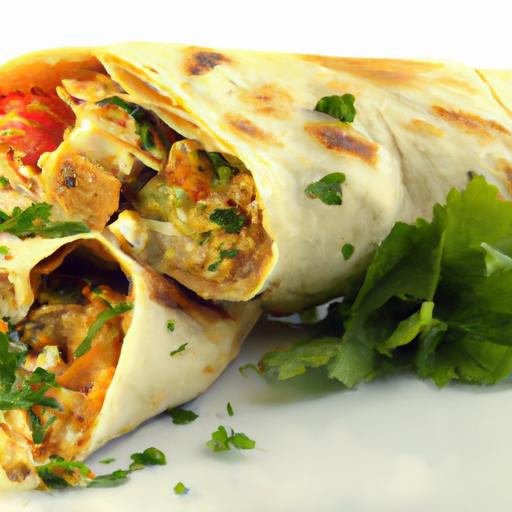
the real joy begins once your fluffy pockets are ready to embrace an eclectic variety of fillings. Pita Pocket Secrets open doors to a world of tastes-from the smoky warmth of Moroccan spiced chickpeas and roasted eggplant to vibrant, crunchy Mediterranean salads bursting with cucumbers, tomatoes, kalamata olives, and herbs. For protein lovers, grilled spiced chicken shawarma, herby falafel balls, or simple marinated tofu offer satisfying alternatives. combining textures is key: think creamy avocado slices paired with tangy pickled turnips or crisp slaws bursting with citrus notes. Thes pockets are not just bread; they’re your passport to global culinary artistry.
Savory Sauces and Spreads to Elevate Every Bite
A dollop of sauce can transform your pita experience from simple to sensational.Customary tahini sauce infused with garlic and lemon provides nutty richness. Creamy tzatziki, made with tangy Greek yogurt and fresh cucumber, offers cooling freshness. For a fiery kick, harissa paste blended with olive oil adds depth and spice. Hummus-not just classic but also flavored variations like roasted red pepper or caramelized onion-complements multiple fillings flawlessly. Exploring homemade baba ganoush or baba ganoush-inspired smoky eggplant dips will add layers of complexity and lushness.
Creative Pairings and Presentation Tips for Unforgettable meals
Presentation elevates even the simplest pita pocket into a feast for the eyes and palate. Slice stuffed pitas into halves or quarters, followed by an artful arrangement on rustic wooden boards or luminous ceramic platters. Garnish with fresh herbs-mint, parsley, or cilantro-to add vibrant green contrast. Serve alongside small bowls of olives, roasted nuts, pickled vegetables, or lemon wedges for added interest. For a casual gathering, create a “pita pocket bar” where guests assemble their own with colorful ingredients displayed in attractive bowls. Use colorful plates and patterned napkins to enhance visual appeal and invite shared enjoyment. drizzle olive oil or sprinkle sumac over assembled pockets to add a finishing touch that’s as flavorful as it is indeed beautiful.
| Nutrient | Per Pita Pocket |
|---|---|
| Calories | 165 kcal |
| Protein | 5 g |
| Carbohydrates | 32 g |
| Fat | 2.5 g |

For more inspiration, explore our Mediterranean Recipe Collection and discover diverse ways to enjoy pita pockets. To deepen your knowledge of the science behind yeast and bread baking, this King Arthur Baking yeast guide is an excellent resource.
Q&A
Q&A: Pita Pocket Secrets – A Delicious Pocket of Culinary Delight
Q1: What makes the pita pocket so unique compared to other breads?
A1: The pita pocket is a marvel of baking-a round, fluffy flatbread that magically puffs up during baking, creating a hollow cavity inside. This pocket is perfect for stuffing, making it a portable and versatile edible vessel. Unlike other breads, its pocket allows for a neat, handheld meal bursting with vibrant fillings, making dining as much fun as it is flavorful.
Q2: How is the signature pocket created inside the pita bread?
A2: The secret lies in high heat and steam. When pita dough is slapped onto a hot baking surface or oven, the moisture inside quickly turns to steam, causing the bread to balloon. Once cooled, the pocket remains as a natural opening, perfect for cramming with everything from fresh veggies to spiced proteins. It’s like the bread’s own surprise compartment!
Q3: What are some classic fillings that celebrate the pita’s versatility?
A3: The pita pocket can cradle a world of flavors! Think vibrant Mediterranean mixtures like grilled chicken with tzatziki, roasted eggplant with tangy feta, or falafel paired with crisp cucumber and garlic sauce. Each combination plays with textures and tastes,from creamy to crunchy and smoky to bright,showcasing how pita can adapt to so many culinary styles.
Q4: Can pita pockets be used in cuisines beyond Mediterranean?
A4: Absolutely! Pita’s neutral flavor and convenient pocket make it a canvas for global creativity. From spicy Indian chickpea tikka masala wraps to zesty Mexican-inspired black bean and avocado bites, pita absorbs and complements a variety of world flavors. It’s a passport to international tastes, all tucked into one neat, edible pouch.
Q5: How can home cooks keep their pita pockets fresh and inviting?
A5: Freshness is key-store pita in airtight containers or resealable bags to maintain softness. For serving, warm them slightly on a skillet or wrapped in foil inside a warm oven to revive that tender, pillowy texture.Avoid overstuffing to keep the pocket intact and to enjoy every bite with an inviting balance of bread and fillings.
Q6: Are there creative ways to enjoy pita pockets beyond traditional stuffing?
A6: Definitely! Pita can be transformed into chips by cutting into triangles and baking until crisp-perfect for dipping. Or, slice pita into strips to create fun “spoon” holders for dips and salads. You can even layer it like a mini flatbread pizza, then fold and enjoy a handheld delight. The pita pocket is truly a versatile star of casual dining.Q7: What nutritional highlights do pita pockets offer?
A7: Pita bread often provides a good source of complex carbohydrates and fiber, especially when made from whole wheat flour. It can also be enriched with proteins and vitamins depending on the ingredients used in fillings. This makes it not only a tasty choice but a nutritious one, easily adaptable to vegetarian, vegan, or protein-rich diets.
Unlocking the secrets of the pita pocket reveals more than just a bread-it opens the door to diverse flavors, textures, and cultures, all tucked into one delightful pocket of culinary magic. Whether stuffed, dipped, or topped, pita continues to charm food lovers around the world with its simple yet enchanting design.
Final Thoughts
As we close the flap on our flavorful journey through the world of pita pockets, it’s clear that this humble bread holds far more than just ingredients-it cradles cultures, stories, and centuries of culinary artistry. Whether stuffed with vibrant veggies, succulent meats, or creamy spreads, the pita pocket remains a versatile canvas inviting endless creativity. So next time you bite into that soft, warm pocket of delight, remember: you’re savoring not just a meal, but a delicious secret woven into the fabric of global cuisine. here’s to many more mouthwatering discoveries tucked within those perfect pita pockets.