In the world of bread, few loaves carry the rich history and distinctive aroma quite like rye bread with caraway seeds. This humble yet flavorful staple has journeyed through centuries and cultures, weaving its way into the hearts-and kitchens-of many. Beyond its dense texture and deep, earthy tones lies a tradition bursting with stories, health benefits, and culinary artistry. Join us as we unravel the layers of rye bread with caraway seeds, exploring how a simple combination of grain and spice became a beloved symbol of heritage and taste.
Rye Bread with Caraway Seeds captures the essence of centuries-old European baking traditions, infusing everyday meals with a rich, earthy aroma and a delightfully tangy depth. Originating from the cool climates of Eastern and Northern Europe, this bread has been a staple in households where rye grain thrived, prized not only for its hearty flavor but for its resilience and nutritional benefits. I still fondly recall the comforting scent that filled my grandmother’s kitchen,where fresh rye loaves rested cooling on rustic wooden racks,the caraway seeds lending a whisper of aniseed that danced with every bite.
Prep and Cook Time
- Preparation: 30 minutes
- rising: 2 hours (plus 1 hour for second proof)
- Baking: 40-45 minutes
- Total: Approximately 4 hours
Yield
One rustic loaf, serving 8 to 10 slices
Difficulty Level
Medium – Ideal for bakers comfortable with yeast dough and patient proofing
Ingredients
- 1 ½ cups rye flour, sifted
- 1 cup bread flour, sifted
- 1 ¼ cups warm water (about 105°F/40°C)
- 2 teaspoons active dry yeast
- 1 tablespoon caraway seeds, toasted
- 2 teaspoons honey or mild maple syrup
- 1 ½ teaspoons sea salt
- 2 tablespoons olive oil (plus extra for greasing)
Instructions
- Activate the yeast: In a small bowl, combine the warm water, honey, and yeast. Stir gently and let it sit for 5-10 minutes until foamy,which signals the yeast is alive and active.
- Mix dry ingredients: In a large mixing bowl, whisk together the rye flour, bread flour, toasted caraway seeds, and sea salt to ensure even distribution of flavors.
- Combine and knead: Pour the yeast mixture and olive oil into the dry ingredients. Stir with a wooden spoon until the dough begins to come together. Transfer to a floured surface and knead for 10-12 minutes until smooth and slightly elastic. Because rye flour is heavier, the dough will be slightly tacky but should hold together well.
- First rise: Lightly grease a large bowl with olive oil, place the dough inside, and cover with a clean kitchen towel or plastic wrap. Let it rise in a warm place for about 2 hours, or until doubled in size. For enhanced flavor, an overnight rise in the fridge can be used, bringing the dough back to room temperature before shaping.
- Shape the loaf: Punch down the dough gently to release excess gas. Shape into a rustic oval or round loaf and place on a parchment-lined baking sheet. Cover again and let rise for another hour, allowing the loaf to puff up slightly.
- Preheat the oven: Before baking, preheat your oven to 425°F (220°C). Place a shallow tray of water at the bottom rack to foster steam, which creates that perfect chewy crust.
- Score and bake: With a sharp knife or lame, lightly score the top of the loaf with a few slashes to allow controlled expansion. Bake for 40-45 minutes until the crust is dark golden brown and sounds hollow when tapped.
- Cool completely: Transfer the bread to a wire rack and allow it to cool fully-this step is crucial for the crumb to set and flavors to mellow.
Tips for Success
- Use freshly toasted caraway seeds for an aromatic boost; toast them in a dry pan over medium heat for 2-3 minutes until fragrant.
- If the dough feels too sticky due to rye flour’s high fiber content, lightly oil your hands instead of adding flour while kneading to maintain a tender crumb.
- To deepen the sour note, substitute 1 teaspoon of yeast with ¼ cup rye sourdough starter, adjusting rising times accordingly.
- Store your rye bread loosely wrapped in a linen towel or paper bag to maintain crisp crust and moist interior for up to 3 days.
- Freezing sliced rye bread in airtight bags is excellent for preserving freshness; simply toast slices straight from the freezer.
Serving Suggestions
Rye Bread with Caraway Seeds is an incredibly versatile companion to countless meals. Its slightly tangy, nutty flavors shine when paired with creamy cheeses such as dill Havarti or a sharp aged gouda. For a customary Scandinavian touch, spread cultured butter and add a smear of smoked salmon or pickled herring (consider light fish options to complement, avoiding pork).Fresh radishes and cucumber slices add refreshing crunch. A drizzle of honey or a smear of whole-grain mustard can also coax out the bread’s complex flavor.
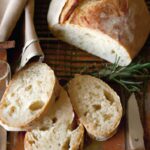
Visually, consider slicing the loaf thick and serving on wooden boards, garnished with a sprinkle of extra caraway seeds and a few sprigs of fresh dill or parsley. This rustic presentation will delight guests and elevate your rye bread experience.
| Nutritional Info (per slice) | Amount |
|---|---|
| Calories | 110 kcal |
| Protein | 4 g |
| Carbohydrates | 22 g |
| Fat | 1.5 g |

for those eager to explore further, check out our thorough guide on bread baking techniques, or learn more about the remarkable health benefits of rye on Healthline.
Q&A
Q&A: Rye Bread with Caraway Seeds – A Flavorful Tradition Unveiled
Q1: What makes rye bread with caraway seeds so special compared to other breads?
A1: Rye bread with caraway seeds boasts a unique combination of hearty, slightly tangy rye flavor and the aromatic, slightly citrusy kick of caraway. This pairing creates a taste experience that’s both robust and comforting, standing apart from the lighter, sweeter profiles found in many wheat breads.
Q2: Where did the tradition of adding caraway seeds to rye bread originate?
A2: The tradition traces back centuries to Central and Eastern Europe, where rye was a staple grain due to its hardiness in cooler climates.Caraway seeds were prized not only for their distinctive flavor but also for their natural digestive benefits, making them a natural companion to rye bread in the region’s culinary heritage.
Q3: What role do caraway seeds play beyond flavor in rye bread?
A3: Beyond their unmistakable taste, caraway seeds contribute subtle textural interest and aroma. Thay also aid digestion, which historically helped people enjoy dense, fiber-rich rye bread more comfortably. Their inclusion is as much about tradition and health as it is about flavor.
Q4: How is rye bread with caraway seeds typically used in meals?
A4: It’s wonderfully versatile! Rye bread with caraway seeds is perfect for hearty open-faced sandwiches topped with creamy cheeses, vibrant pickled vegetables, or smoky smoked fish like salmon or trout. It also serves as a satisfying side for soups,stews,and vegetable dishes,adding depth and character to every bite.
Q5: Can rye bread with caraway seeds be made at home? What tips help achieve the best results?
A5: Absolutely! Baking at home is a rewarding adventure.Start with a good-quality rye flour and soak the caraway seeds beforehand to release their aromatic oils. Patience is key-allow the dough ample time to ferment to develop that signature tang and dense crumb. Using a Dutch oven or baking stone can help achieve a crisp crust reminiscent of traditional bakery loaves.
Q6: Are there health benefits associated with rye bread and caraway seeds?
A6: Definitely. Rye bread is rich in fiber, which supports digestion and promotes a feeling of fullness. Caraway seeds bring antioxidants and are traditionally believed to ease digestive discomfort. Together, they make a wholesome bread choice that satisfies both palate and body.
Q7: How has rye bread with caraway seeds influenced modern cuisine?
A7: Its bold flavors have inspired chefs and home cooks alike to incorporate rye bread into innovative dishes, from gourmet sandwiches to creative appetizers. Its rustic charm and complex taste also encourage a greater appreciation for traditional baking techniques in a fast-paced culinary world seeking authenticity.
Q8: What nuances should one expect in the taste and texture of rye bread with caraway seeds?
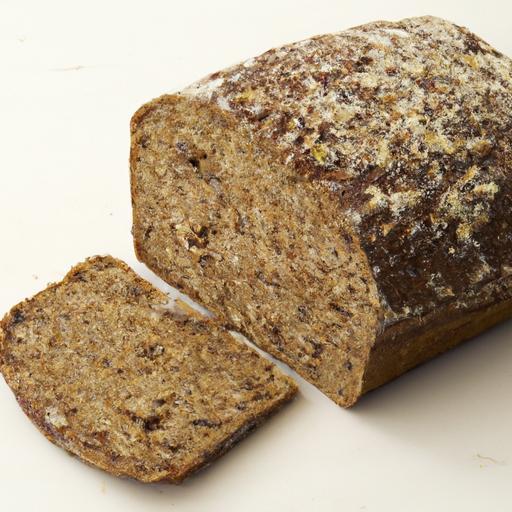
A8: Expect a dense, moist crumb with a hearty mouthfeel. The rye imparts a slightly sour, earthy undertone, while caraway seeds offer bursts of warm, licorice-like zest throughout each slice. Together, they create a layered sensory experience that feels both ancient and timeless.Q9: Are there regional variations of rye bread with caraway seeds?
A9: Yes! While the core elements remain consistent, some regions incorporate sourdough cultures for added tang, adjust the seed-to-flour ratio for a milder or stronger spice presence, or pair rye with other grains like barley or wheat. These adaptations reflect local tastes and baking traditions without losing the bread’s essential character.
Q10: How can someone new to rye bread with caraway seeds best enjoy it?
A10: Start simple-try it toasted with a spread of butter or a smear of creamy cheese to appreciate the bread’s complex flavors.Pair it with fresh vegetables or eggs for breakfast, or explore open-faced sandwich ideas for lunch. Relishing rye bread with caraway seeds is about savoring tradition and discovering a world of bold, nourishing tastes.
Concluding Remarks
As we close the crumb-covered chapter on rye bread with caraway seeds, it’s clear that this humble loaf carries more than just flavor-it carries history, culture, and a timeless sense of comfort. From the fields where rye grains ripen to the aromatic burst of caraway seeds in every bite, this bread invites us to savor tradition with each slice.Whether enjoyed fresh from the oven or paired with cheeses and smoked meats, rye bread reminds us that sometimes, the simplest ingredients create the most enduring legacies. So next time you reach for a slice, remember: you’re not just tasting bread, you’re tasting a story baked through generations.