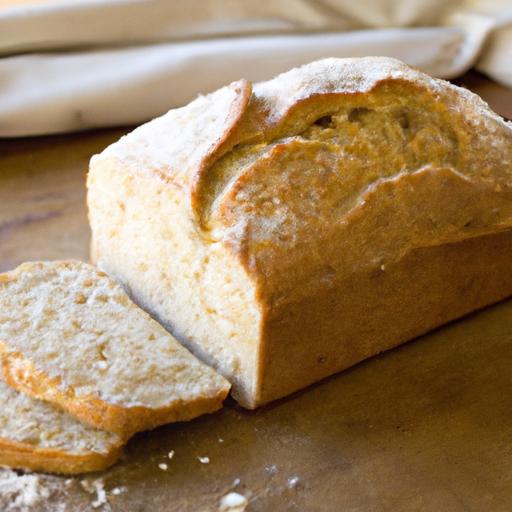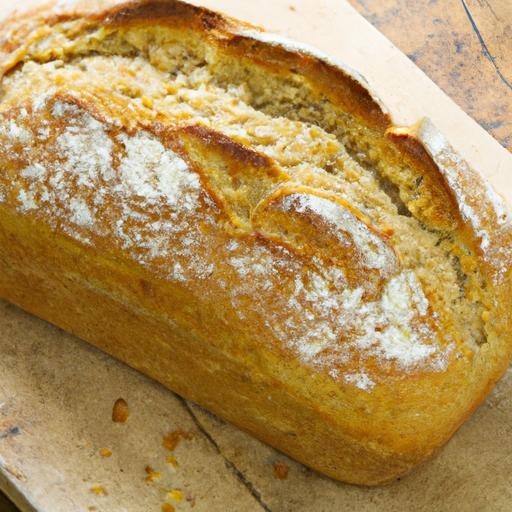
In the world of baking, few ingredients evoke the comforting aroma and hearty texture of a classic loaf quite like customary wheat flour. Yet, as the quest for healthier and more nutrient-rich alternatives grows, oat flour is stepping confidently into the spotlight, transforming everyday bread into a wholesome masterpiece. Oat Flour Bread offers a deliciously unexpected twist on familiar recipes, blending the subtle sweetness and creamy texture of oats with the timeless charm of homemade bread. Join us as we explore how this humble grain can elevate your baking,nourish your body,and bring a fresh,wholesome spirit to your breadbasket.
Oat flour bread brings a wonderfully wholesome twist to traditional loaf recipes, offering a tender crumb, subtle nutty flavor, and remarkable nutritional benefits. Embracing the natural goodness of oats, this loaf delivers a soft texture that’s both hearty and delightful, perfect for elevating your daily bread repertoire. Whether you’re seeking a gluten-free choice or just crave a nourishing, flavorful option, oat flour bread invites you to explore the beautiful marriage of health and taste in each slice.
Prep and Cook Time
- Planning: 15 minutes
- Rise Time: 1 hour 15 minutes (including resting)
- Baking: 35-40 minutes
- Total: Approximately 1 hour 55 minutes
Yield
1 loaf, serving 8-10 slices
difficulty Level
Medium – Ideal for bakers comfortable with yeast bread making but approachable for aspiring beginners.
Ingredients
- 2 cups oat flour, finely ground and sifted
- 1 cup warm water (about 100°F / 38°C)
- 1 packet (2 1/4 tsp) active dry yeast
- 1 tbsp honey or pure maple syrup
- 1 tsp salt
- 2 tbsp olive oil or melted coconut oil
- 1 large egg, beaten (optional, for richness and structure)
- 1 tsp baking powder (for improved rise)
- Optional mix-ins: 1/4 cup sunflower seeds, 1/4 cup chopped walnuts, 1 tsp ground cinnamon, or 1 tbsp chia seeds
Instructions
- Activate the yeast: In a small bowl, combine the warm water, honey, and yeast. Stir gently and let stand for 5-10 minutes until the mixture is frothy and active.
- mix dry ingredients: In a large bowl, whisk together oat flour, salt, and baking powder to ensure even distribution.
- Combine wet and dry: Make a well in the flour mixture and pour in the activated yeast, olive oil, and beaten egg. Mix with a wooden spoon or spatula until a soft, sticky dough forms. The dough will be wetter than traditional wheat dough; this is expected.
- Add mix-ins: If desired,fold in seeds,nuts,or spices now for an infused aroma and added texture.
- First rise: Cover the bowl with a clean kitchen towel or plastic wrap.let the dough rise in a warm, draft-free area for 45-60 minutes, or until it has visibly puffed up.
- Shape the loaf: Lightly oil a 9×5-inch loaf pan. Transfer the risen dough into the pan, smoothing the surface gently with a wet spatula to prevent sticking.
- Second rise: Let the dough rest uncovered for another 15 minutes to encourage a light crust development while baking.
- Bake: Preheat the oven to 375°F (190°C). Bake the bread for 35-40 minutes, until the top is golden brown and a toothpick inserted in the center comes out clean. The loaf should sound hollow when tapped.
- Cool: Remove from the oven and let cool in the pan for 10 minutes. Then transfer to a wire rack to cool entirely before slicing to avoid a gummy crumb.
Tips for Success
- Use fresh oat flour: For best texture, grind your own oats or purchase finely milled oat flour to avoid a gritty feel.
- Hydration matters: Oat flour absorbs liquid differently, so dough consistency may vary – aim for a soft, slightly sticky dough but not overly watery.
- Egg substitute: For a vegan option, replace the egg with 1/4 cup unsweetened applesauce or flax egg (1 tbsp ground flax + 3 tbsp water, rested 5 min).
- enhance rise: The addition of a small amount of baking powder assists with lift as oat flour lacks gluten’s elasticity.
- Store properly: Keep the loaf wrapped in a kitchen towel or airtight container at room temperature for up to 3 days. Freeze slices for longer storage.
- Experiment with flavors: Toast nuts and seeds before adding to bring out their oils and enhance complexity.
Serving suggestions
Enjoy your oat flour bread slightly warm, slathered with creamy avocado and a sprinkle of cracked black pepper for a nutritious breakfast. It pairs beautifully with almond butter and a drizzle of honey for a sweet treat or alongside hearty soups and salads as a wholesome side. Garnish with fresh herbs like rosemary or thyme and scatter extra seeds atop the loaf before baking for extra visual appeal and crunch.

| Nutrition (per slice) | Calories | Protein | Carbohydrates | Fat |
|---|---|---|---|---|
| Oat Flour Bread | 120 kcal | 4 g | 20 g | 3.5 g |
For deeper insight into baking with oats and their health benefits, check out this comprehensive Healthline guide on oats. Want to explore other gluten-free bread recipes? Visit our gluten-free bread collection for inspiration and tips.
Q&A
Q&A: Oat Flour Bread – A Wholesome Twist on Classic Loaf Recipes
Q1: what makes oat flour bread diffrent from traditional wheat bread?
A1: Oat flour bread replaces or complements wheat flour with ground oats, lending a tender crumb and subtly sweet, nutty flavor. Unlike traditional wheat bread, oat flour adds a boost of fiber and protein, making the loaf more nourishing while maintaining a soft, comforting texture.
Q2: can oat flour be used alone to make bread, or does it need to be combined with other flours?
A2: Because oat flour lacks gluten-the protein responsible for bread’s elasticity-using it alone often results in a denser loaf.Most recipes combine oat flour with wheat or another gluten-containing flour to achieve the ideal rise and structure. Though, with the right binders like xanthan gum or eggs, 100% oat flour bread is achievable for a hearty, rustic loaf.
Q3: how does oat flour impact the bread’s nutritional profile?
A3: Oat flour is packed with beta-glucan, a soluble fiber known to support heart health and stabilize blood sugar.Incorporating it into bread enhances fiber content and offers slow-releasing energy. Additionally, oats bring minerals like iron, magnesium, and zinc to your slice, making every bite wholesome and nourishing.
Q4: What’s the best way to store oat flour bread to preserve freshness?
A4: Due to its slightly higher moisture content, oat flour bread can go stale or mold faster than traditional loaves. To keep it fresh, store it in an airtight container at room temperature for up to two days, or freeze slices individually wrapped for up to three months. Toasting frozen slices can bring back that just-baked warmth.
Q5: Can I substitute oat flour in my favorite bread recipe without adjusting other ingredients?
A5: While you can swap part of the flour for oat flour to add flavor and nutrition, a straight substitution may require tweaking liquid ratios or adding a binding agent due to oat flour’s unique absorbency and lack of gluten. Start by replacing 20-30% of wheat flour with oat flour and adjust from there.
Q6: What flavor pairings work best with oat flour bread?
A6: thanks to its gentle, sweet nuttiness, oat flour bread harmonizes beautifully with creamy spreads like almond butter or ricotta, fresh fruits such as berries and bananas, and earthy herbs like rosemary or thyme. It also pairs well with savory toppings like avocado or roasted vegetables, making it versatile for any meal.
Q7: Is oat flour bread suitable for people with gluten sensitivities?
A7: Pure oat flour is naturally gluten-free, but cross-contamination during processing can be an issue. Look for certified gluten-free oat flour if you have celiac disease or strong gluten intolerance. Remember that many oat flour bread recipes still call for wheat flour, so always check ingredients carefully.
Q8: How can I enhance the texture of oat flour bread?
A8: Incorporating mix-ins such as seeds (chia, flax, sunflower), nuts, or even mashed banana can add moisture and crunch to oat flour bread. Additionally, allowing the dough to rest before baking helps the flour hydrate fully, leading to a softer, more cohesive crumb.
Q9: What’s a simple oat flour bread recipe for beginners?
A9: Try combining 1 ½ cups wheat flour with ½ cup oat flour, 1 tsp yeast, 1 tsp salt, 1 tbsp honey, and 1 cup warm water. Mix, knead briefly, let rise for an hour, then bake at 375°F (190°C) for 25-30 minutes. This basic loaf introduces oat flour’s charm without overwhelming your first baking attempts.
Q10: Why is oat flour bread considered a “wholesome twist” on classic loaves?
A10: Oat flour bread brings healthful complexity to familiar bread by weaving whole-grain nutrition, gentle sweetness, and soft texture into a timeless staple. It honors tradition while inviting a modern, mindful approach to baking that delights both body and palate.
Final Thoughts
Whether you’re a seasoned baker or just beginning to explore the world of homemade bread, oat flour bread offers a delightful and nutritious twist on the classic loaf. Its naturally sweet, nutty flavor combined with a tender crumb makes it a versatile canvas for everything from buttery spreads to savory sandwiches.By embracing oat flour, you’re not just adding a wholesome ingredient-you’re inviting a new depth of texture and health benefits into your baking repertoire. So next time you reach for your staple bread recipe, consider swapping in oat flour and savor the cozy, hearty goodness that comes from this simple yet transformative ingredient. Happy baking!