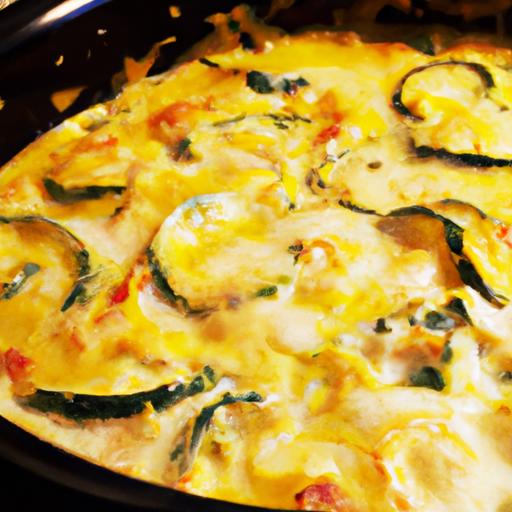
In a world where fast food and convenient snacks frequently enough steal the spotlight,the humble veggie casserole quietly awaits its moment in the sun-a heartwarming dish that marries nourishment with comfort in every forkful. imagine layers of vibrant vegetables, tenderly baked to perfection, mingling with wholesome grains and fragrant herbs, creating a symphony of flavors that both satisfy the soul and fuel the body. This isn’t just any casserole; it’s a celebration of nature’s bounty, transformed into a wholesome feast that comforts like a warm embrace on a chilly day. Join us as we dive into the art of crafting a wholesome veggie casserole-a nutritious comfort feast that promises to delight your palate and uplift your well-being in equal measure.
Wholesome Veggie Casserole: A Nutritious Comfort feast
Wholesome veggie casserole dishes are the ultimate celebration of fresh,vibrant produce combined with hearty grains and proteins for a soul-satisfying meal.Rooted in the tradition of cozy one-pan meals, this casserole encapsulates the best of seasonal vegetables, balancing textures and flavors to create an inviting plate that nurtures both body and spirit.Picture tender roasted butternut squash mingling with crisp green beans, all harmonized by a nutty brown rice base and a subtle creamy sauce - every bite bursts with color, nutrition, and warmth.
Prep and Cook Time
- Readiness: 20 minutes
- Cooking: 45 minutes
- Total Time: 1 hour 5 minutes
Yield
Serves 6 generous portions
Difficulty Level
Easy to Medium
Ingredients
- 1 ½ cups cooked brown rice (preferably day-old for better texture)
- 2 cups butternut squash, peeled and cubed
- 1 cup fresh green beans, trimmed and halved
- 1 cup mushrooms, sliced (cremini or button)
- 1 medium red bell pepper, diced
- 1 small red onion, finely chopped
- 2 cloves garlic, minced
- 1 cup low-fat cottage cheese or ricotta
- ½ cup shredded mild cheddar cheese
- 1 cup cooked chickpeas (drained and rinsed)
- 1 tbsp extra-virgin olive oil
- 1 tsp dried thyme
- ½ tsp smoked paprika
- Salt and fresh cracked black pepper, to taste
- Fresh parsley, finely chopped (for garnish)
Instructions
- Preheat your oven to 375°F (190°C). Line a baking sheet with parchment paper.
- Roast the butternut squash: Toss the cubed squash with half the olive oil, salt, paprika, and half the thyme. Spread evenly on the baking sheet and roast for about 20 minutes until tender and slightly caramelized.
- Sauté the aromatics and vegetables: while the squash roasts, heat the remaining olive oil in a large skillet over medium heat. Add the red onion and garlic, stirring until translucent and fragrant, about 3 minutes.
- Add mushrooms, green beans, and red bell pepper: Sauté until vegetables soften but still retain a slight crunch, around 5-7 minutes. Stir often to create even cooking and flavor melding.
- Combine grains, veggies, and protein: In a large mixing bowl, gently fold together the cooked brown rice, roasted butternut squash, sautéed vegetables, and chickpeas. Season with salt,black pepper,and the remaining thyme. Mix in the cottage cheese to add creamy richness to the mixture.
- Transfer to casserole dish: Lightly oil a 9×13 inch (23×33 cm) baking dish.Spread the veggie and grain mixture evenly in the pan.
- Layer cheese topping and bake: Sprinkle shredded cheddar evenly over the top. Bake uncovered for 20-25 minutes, until the cheese is melted and golden, and the casserole bubbles lightly around the edges.
- Rest and garnish: Let the casserole rest for 5-10 minutes before serving. Sprinkle fresh parsley over the top for a vibrant, herbaceous note.
Expert Tips for Success
- Choosing Fresh Vegetables: Select vegetables with vibrant colors and firm textures. For example, the butternut squash should feel heavy for its size and have smooth, unblemished skin, while green beans should snap crisply when bent.
- Balancing Textures: To create textural contrast, avoid overcooking the green beans and bell peppers during sautéing. They should retain a pleasant crunch that contrasts the softness of the brown rice and squash.
- Protein Options: Chickpeas offer a plant-based protein source that blends beautifully without overpowering. Alternatively, you can use cooked lentils or white beans for variation.
- Make-Ahead Tip: Prepare the veggie mixture a day ahead and refrigerate. Assemble and bake right before serving for a stress-free meal day.
- Cheese Swaps: For a dairy-free version, substitute the cottage cheese and cheddar with nutritional yeast and a vegan cheese blend.
Serving Suggestions
Present this wholesome veggie casserole as a centerpiece for a cozy dinner. A fresh mixed green salad with a tangy vinaigrette pairs beautifully,cutting through the creaminess with brightness. Garnish with extra fresh herbs such as basil or thyme sprigs, and serve with crusty whole-grain bread to scoop up every luscious bite.

| Nutrient | Per Serving |
|---|---|
| Calories | 320 kcal |
| Protein | 15 g |
| Carbohydrates | 45 g |
| Fat | 8 g |
Looking to explore more nutritious comfort meals? Check out our guide to whole grain bakes for inspiration. For detailed insights on vegetable nutrition, the USDA’s Vegetables Guide provides extensive expert resources.
Q&A
Wholesome Veggie Casserole: A Nutritious Comfort Feast – Q&A
Q1: what makes a veggie casserole a truly wholesome and nutritious meal?
A wholesome veggie casserole is all about layering vibrant, nutrient-dense vegetables with wholesome grains, legumes, or plant-based proteins, then gently baking them to meld the flavors and textures. Using a rainbow of veggies ensures a broad spectrum of vitamins, minerals, and antioxidants, while whole grains and beans add fiber and sustained energy. The end result? A comforting dish that nourishes your body and soul in every bite.
Q2: Which vegetables work best in a veggie casserole for both taste and nutrition?
Root vegetables like sweet potatoes and carrots bring natural sweetness and richness, while leafy greens such as spinach or kale pack a punch of iron and vitamin C. Bell peppers add vibrant color and a hint of crunch, and mushrooms introduce an earthy depth alongside immune-boosting nutrients. Combining starchy and non-starchy veggies ensures a balanced nutrient profile and a delightful texture complexity.
Q3: How can I boost the protein content of a vegetarian casserole without compromising flavor?
Incorporate plant-based protein sources like lentils, chickpeas, black beans, or tofu cubes! These ingredients soak up the casserole’s savory juices, creating hearty bites. Adding a layer of quinoa or bulgur also increases protein while contributing a pleasing nuttiness. For a melty finish, sprinkle in some shredded cheese or a creamy béchamel made with nut milk to keep it wholesome yet indulgent.
Q4: What’s the secret to achieving a golden, crispy top without using heavy cream or excessive oils?
A sprinkle of whole-grain breadcrumbs combined with a drizzle of olive oil offers a light, crunchy crust.For added flavor, toss the breadcrumbs with nutritional yeast or finely chopped fresh herbs before sprinkling them on top. Baking the casserole uncovered during the last 10-15 minutes helps dry out the surface, producing that sought-after golden finish with just the right crackle.Q5: Can I prepare a veggie casserole ahead of time, and how should I store it?
Absolutely! Veggie casseroles are fantastic make-ahead meals. Assemble your casserole in advance and refrigerate it overnight; this allows the flavors to harmonize beautifully. When ready, bake it straight from the fridge, adding a few extra minutes if needed. Leftovers keep well in an airtight container in the refrigerator for up to 4 days and can be gently reheated in the oven or microwave for a quick nutritious meal.
Q6: How can I customize this casserole to suit different dietary preferences or restrictions?
This recipe is wonderfully adaptable! For a vegan version,substitute cheese with plant-based alternatives or a cashew cream sauce. Gluten-free breadcrumbs or almond meal make a perfect topping for those avoiding gluten. To reduce carbs, swap out starchy veggies for zucchini or cauliflower. The key is maintaining a balance of textures and flavors, tailoring ingredients to your taste and dietary needs.
Q7: What sides or accompaniments complement a veggie casserole best?
A crisp green salad dressed with lemon vinaigrette adds refreshing brightness that cuts through the casserole’s richness. Serving alongside a bowl of homemade tomato soup can turn your feast into a cozy, layered comfort meal. For a lighter touch, steamed green beans or roasted asparagus with a squeeze of lemon provide a vibrant, nutritious contrast.
Q8: Why is a veggie casserole an ideal dish for seasonal eating?
Because casseroles celebrate fresh, in-season produce at its peak flavor and nutrition! By choosing vegetables that are abundant during each season, you not only support local farmers but also enjoy the freshest ingredients packed with natural goodness. Each casserole becomes a loving tribute to the season’s bounty-warming in winter, vibrant in summer, and comforting every day in between.
Key Takeaways
as the comforting aroma of your wholesome veggie casserole fills the kitchen, you’re reminded that nutritious eating doesn’t have to be bland or complex. This vibrant medley of garden-fresh vegetables not only delights the palate but also nourishes the body, proving that comfort food and healthfulness can beautifully coexist. Whether served as a cozy weeknight dinner or a hearty side for gathering with loved ones, this casserole stands as a testament to the joy found in simple, wholesome ingredients. So next time you crave warmth and wellness in a single dish,let this veggie casserole be your go-to-a delicious reminder that taking care of yourself can be as satisfying as it is indeed tasty.