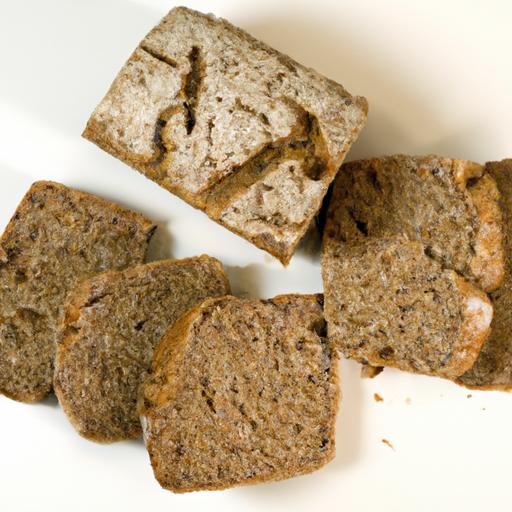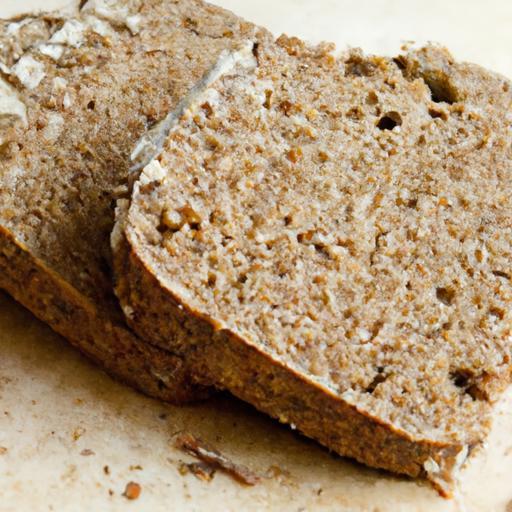
There’s something undeniably magnetic about the aroma of freshly baked rye bread, especially when it carries the subtle, aromatic whisper of caraway seeds. For centuries, this humble combination has woven itself into the culinary tapestries of countless cultures, standing as both a staple and a symbol of heritage. Beyond its hearty texture and earthy flavor, rye bread wiht caraway seeds tells a story-one of tradition, craftsmanship, and a timeless appreciation for simple ingredients transformed into something remarkable.In this article,we uncover the flavorful tradition behind this beloved bread,exploring its origins,cultural significance,and the unique sensory experience that continues to captivate taste buds around the world.
Origins and Cultural Significance of Rye Bread with Caraway Seeds
Rye Bread with Caraway Seeds holds a cherished place in many Northern and Eastern European cultures, where it has been a staple for centuries. Rooted deeply in traditions from countries like Germany, Poland, and the scandinavian region, this hearty loaf reflects a long history of resourcefulness and regional agriculture. Rye grain’s ability to thrive in colder,less fertile soils made it an essential crop,and the aromatic caraway seeds add a distinctive flavor that transforms simple bread into a sensory experience rich with heritage.
The scent of freshly baked rye bread with caraway seeds often evokes nostalgic memories of rustic kitchens and family gatherings. In Jewish cuisine, for example, this bread is symbolic at celebrations and sabbath meals, linking present-day cooks to generations past. Each slice offers more than sustenance-it offers a story of resilience, community, and the comforting warmth of home.
The Unique Flavor Profile and Baking Techniques Behind the Tradition
Rye Bread with Caraway Seeds is a masterclass in harmony between earthiness and subtle spice. The dense rye flour lends a slightly sour tang, balanced beautifully by the sweet, citrusy notes of caraway seeds. Traditional recipes often incorporate sourdough starters or natural fermentation, which develop that characteristic depth and chewy texture. Unlike wheat breads, rye has less gluten, so bakers must adjust kneading and hydration methods carefully to create the perfect crumb.
Techniques such as long fermentations, steam infusion during baking, and scoring the dough before going into the oven contribute not only to the bread’s signature crust but also to its shelf life and aroma. The tactile process invites bakers to slow down, appreciating the alchemy taking place as tiny yeast organisms work their magic within the dough.
Health Benefits and Nutritional Insights of Rye Bread with Caraway Seeds
Rye Bread with Caraway Seeds is as nourishing as it is flavorful.Rye grain is rich in dietary fiber, particularly soluble fiber called arabinoxylan, which supports digestive health and helps regulate blood sugar levels. The low glycemic index of rye bread makes it a smart choice for sustained energy release throughout the day. Caraway seeds themselves are loaded with antioxidants and have been traditionally used to aid digestion and reduce inflammation.
combined, these ingredients contribute to a bread that is not only satisfying but healthful. Rye bread’s dense texture and nutrient profile help keep you fuller longer, supporting weight management and heart health. Incorporating this loaf into meals can be an excellent way to enjoy whole-grain benefits with a unique cultural twist.
Expert Tips for Baking the Perfect Loaf at Home
Baking rye bread with caraway seeds at home can be deeply rewarding and surprisingly approachable with the right guidance. Start by ensuring your rye flour is fresh-whole grain rye can absorb more moisture, so adding the correct water ratio (typically 70-80%) is key to a moist crumb. Use a natural sourdough starter or a preferment to boost flavor and improve texture.
When adding caraway seeds, toast them lightly in a dry pan to maximize their nutty aroma before folding them into the dough. Be gentle when kneading to prevent overworking the rye’s limited gluten. Allow a longer, slower rise-often overnight in the refrigerator-to develop flavor complexity.
For an extraordinary crust, bake your loaf with steam by placing a pan of boiling water on the oven floor or misting the oven walls just before loading the dough. Let the bread cool entirely on a wire rack; slicing too soon can make the crumb gummy.
Prep and Cook Time
- Planning: 20 minutes
- first Rise: 1 to 1.5 hours (room temperature) or overnight cold fermentation
- Second Rise: 60 minutes
- Baking: 45 to 50 minutes
Yield
Makes 1 large loaf (about 12 slices)
Difficulty Level
Medium – Requires some patience with fermentation but no advanced techniques
Ingredients
- 2 ½ cups whole rye flour
- 1 ½ cups bread flour
- 1 ¼ cups warm water (70-80°F)
- 1 tsp active dry yeast
- 1 tbsp honey or maple syrup
- 1 tsp fine sea salt
- 2 tbsp toasted caraway seeds
- 2 tbsp olive oil (optional, for softer crust)
- 1/4 cup natural sourdough starter (optional, to enhance fermentation and flavor)
Instructions
- warm the water: Combine warm water with honey and yeast in a large mixing bowl. Let it stand for about 5-10 minutes until foamy, indicating the yeast is active.
- Mix the flours: In a separate bowl, whisk together rye flour, bread flour, salt, and toasted caraway seeds evenly.
- Form the dough: Slowly add flour mixture to the yeast mixture. Add sourdough starter and olive oil if using. Stir with a wooden spoon until the dough begins to come together; it will be sticky but pliable.
- Knead gently: Transfer dough onto a well-floured surface and knead lightly for 5 minutes. Rye dough requires less kneading than wheat – avoid overworking it to keep the crumb tender.
- First rise: Place the dough in a lightly oiled bowl, cover with a damp cloth or plastic wrap, and let it rise at room temperature for 1 to 1.5 hours, or refrigerate overnight for fermentation advancement.
- Shape the loaf: After rising, gently deflate the dough and shape it into a round or oval loaf. Place it on a parchment-lined baking sheet or a floured proofing basket.
- Second rise: Cover loosely and allow the dough to rise another 45-60 minutes, until slightly puffed.
- Preheat oven: preheat your oven to 450°F (230°C). Place a shallow pan with water at the bottom to generate steam.
- score and bake: Using a sharp knife or lame, score the surface of the loaf to allow controlled expansion in the oven.
- bake: Bake for 15 minutes with steam, then reduce heat to 400°F (200°C) and bake for 30-35 more minutes until crust is deeply golden and the loaf sounds hollow when tapped.
- Cool: Remove bread from oven and cool completely on a wire rack before slicing.
Tips for Success
- Toasting caraway seeds: Always toast the seeds in a dry pan over medium heat until fragrant to enhance their flavor.
- Use a sourdough starter: Incorporating a natural starter adds a complexity that complements rye’s earthy notes beautifully.
- Hydration matters: Rye flour absorbs more water; if the dough feels too dry, add water a tablespoon at a time.
- Steam baking: Steam is essential for a crisp crust; try placing a cast iron skillet with water in the oven during preheat.
- Make ahead: This bread keeps well for several days; freeze slices and toast them for fresh flavor anytime.
serving Suggestions
This rye bread with caraway seeds pairs wonderfully with hearty spreads such as roasted beet hummus or creamy avocado. For a traditional touch, serve with a schmear of butter and sharp cucumber slices. It’s also splendid alongside vegetable stews, pickled vegetables, or layered in open-faced sandwiches topped with smoked salmon (or any fish alternative) and fresh dill. A sprinkle of additional caraway on the crust before baking offers an inviting aroma that enhances presentation.
For a rustic tablescape, slice the loaf thick, place on a wooden board, and garnish with sprigs of fresh thyme or rosemary to complement the bread’s aroma.
Nutritional Details
| Nutrient | Per Slice (approx. 60g) |
|---|---|
| Calories | 150 kcal |
| Protein | 4.5 g |
| Carbohydrates | 30 g |
| Fat | 1.2 g |
| Dietary Fiber | 4.2 g |

For more nutritious and flavorful bread recipes, explore our Whole Grain Bread Recipes Collection. To dive deeper into rye’s health benefits, visit the Healthline Rye Bread Analysis.
Q&A
Q&A: Rye Bread with Caraway Seeds: A Flavorful Tradition Uncovered
Q1: What makes rye bread with caraway seeds so unique compared to other breads?
A1: Rye bread with caraway seeds boasts a distinctive deep, earthy flavor profile that sets it apart from wheat-based breads.The dense, hearty texture of rye lends a satisfying chew, while the aromatic caraway seeds infuse each bite with a subtle, anise-like zest that awakens the palate and adds complexity. This combination creates a bread that’s as rich in history as it is in taste.
Q2: Where did the tradition of baking rye bread with caraway seeds originate?
A2: Rye bread has roots stretching back centuries across Northern and Eastern Europe, where rye thrived in colder climates less suited to wheat. Caraway seeds were historically prized not just for flavor but for their digestive properties, making them a natural pairing with rye-a bread staple among communities in countries like Germany, Poland, and Scandinavia. Together, they became a culinary emblem of resourcefulness and regional identity.
Q3: How do caraway seeds influence the flavor and aroma of rye bread?
A3: Caraway seeds add a warm, slightly peppery note with hints of citrus and licorice, lifting the robust earthiness of rye. When baked, their essential oils release, permeating the bread’s crumb and crust alike, creating aromatic pockets that surprise and delight with each bite. This spice transforms a simple loaf into an experience that’s both comforting and intriguingly complex.
Q4: Can rye bread with caraway seeds be suitable for special dietary preferences?
A4: Absolutely! Rye bread is naturally free from common allergens like nuts and dairy, making it a great choice for many dietary needs. Plus, its dense structure and high fiber content support digestive health and can help maintain steady energy levels. Just be mindful that traditional rye bread is made with gluten,so it’s not suitable for gluten-free diets unless specially prepared.
Q5: What are some traditional or creative ways to enjoy rye bread with caraway seeds?
A5: Traditionally, rye bread with caraway seeds is a perfect base for hearty sandwiches featuring creamy cheeses, fresh vegetables, or savory spreads like beetroot hummus.It also shines simply toasted with butter or drizzled olive oil for a rustic snack. For a creative twist, try pairing it with smashed avocado, a sprinkle of sea salt, and a dash of smoked paprika, or use it as a flavorful accompaniment to robust vegetable stews and bean dishes.
Q6: How has rye bread with caraway seeds influenced modern baking trends?
A6: Modern bakers are rediscovering rye’s versatile character and the nostalgic charm of caraway seeds, incorporating them into artisanal loaves that celebrate heritage grains. This bread’s rich flavor complements contemporary ingredients and lifestyles focused on whole foods and cultural appreciation. The trend toward fermentation and sourdough techniques has further elevated rye’s appeal, marrying tradition with innovation in every crust.
Q7: Is it difficult to bake rye bread with caraway seeds at home?
A7: Baking rye bread at home is a rewarding challenge! Rye flour behaves differently from wheat, frequently enough resulting in denser loaves.Using sourdough starters or a combination of rye and wheat flour can definitely help achieve a desirable texture. Adding caraway seeds is as simple as mixing them into the dough before the first rise-infusing the bread with aroma and flavor effortlessly. With patience and practice,home bakers can enjoy a slice of this flavorful tradition fresh from their ovens.Q8: What cultural significance does rye bread with caraway seeds hold?
A8: Beyond its taste, rye bread with caraway seeds symbolizes resilience and community. In regions where harsh winters limited crop options, rye sustenance became a metaphor for survival and home. It often appears in festive meals, family gatherings, and everyday rituals, linking generations through shared flavors and stories. Eating rye bread with caraway seeds is therefore more than nourishment-it’s a delicious connection to history and heritage.
Key Takeaways
From ancient hearths to modern kitchens, rye bread with caraway seeds has journeyed through centuries as more than just sustenance-it is a living crumb of cultural heritage and time-honored craft. Its hearty flavor and aromatic whispers tell stories of northern fields and hands kneading dough with care.Whether enjoyed fresh from a bustling bakery or baked at home with loved ones, this flavorful tradition invites us to savor not only the bread itself but the rich history baked into every slice. So the next time you bite into that dense, seed-speckled loaf, remember: you are tasting a piece of the past, lovingly preserved and inviting you to be part of its ongoing story.