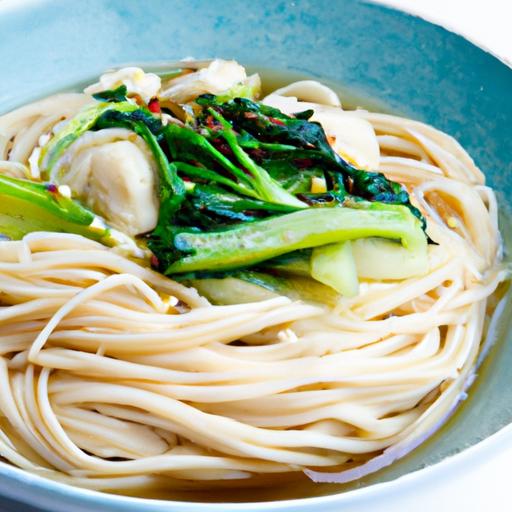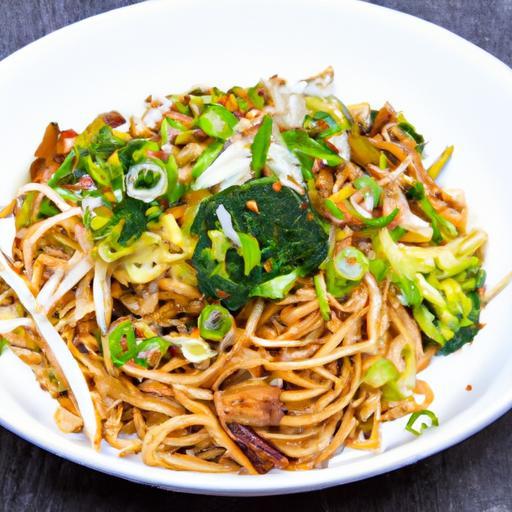
There’s somthing undeniably magical about the first steamy slurp of a perfectly crafted bowl of ramen – the rich broth, the tender noodles, the harmonious blend of flavors that dance on your palate. But what if you told you that this beloved comfort food could be reimagined entirely plant-based, without sacrificing an ounce of its soul-soothing essence? Welcome to the vibrant world of vegan ramen noodles, where tradition meets innovation, and every bowl tells a story of creativity, sustainability, and delectable discovery. In this article,we’ll unravel the secrets behind crafting vegan ramen that’s as satisfying as its meaty counterparts,exploring aromatic broths,inventive toppings,and the art of noodle mastery that invites you to slurp away without a second thought. Get ready to dive deep into a culinary journey that celebrates both flavor and compassion – one noodle at a time.
Slurp Away: Discover the Secrets of Vegan Ramen Noodles with a broth so deeply flavorful and toppings so texturally vibrant that every spoonful tells a story.This plant-based masterpiece embodies the soul of traditional ramen while celebrating the richness found entirely in vegetables and umami-packed ingredients. From silky noodles to a broth brimming with depth, this guide will inspire you to master a bowl that comforts and excites.
Prep and Cook Time
- planning: 25 minutes
- Cooking: 1 hour 15 minutes
- Total Time: 1 hour 40 minutes
Yield
Serves 4 generous bowls
difficulty Level
Medium – approachable for cooks pleasant with multitasking in the kitchen but rewarding for everyone
Ingredients
- For the Broth:
- 2 tbsp toasted sesame oil
- 1 large yellow onion, quartered
- 6 cloves garlic, smashed
- 1 thumb-sized piece of ginger, sliced
- 2 shiitake mushrooms, dried or fresh
- 1 cup kombu (dried kelp), soaked
- 1 large carrot, roughly chopped
- 1 celery stalk, roughly chopped
- 1/4 cup miso paste (white or yellow)
- 1/4 cup soy sauce or tamari
- 6 cups water
- 1 tbsp nutritional yeast (optional, for added umami)
- Plant-Based Toppings:
- 1 block extra-firm tofu, pressed and cubed
- 1 tbsp cornstarch (for tofu coating)
- 1 cup enoki mushrooms, trimmed
- 1 cup baby spinach leaves
- 1/2 cup sliced bamboo shoots
- 1 sheet nori, cut into strips
- 2 green onions, finely sliced
- 1 tsp toasted sesame seeds
- 1/2 cup corn kernels (fresh or frozen)
- Noodles:
- 12 oz fresh or dried alkaline ramen noodles (check package for vegan-friendly)
Instructions
- Prepare the Broth: In a large pot, heat the toasted sesame oil over medium heat. Add the onion, garlic, ginger, carrot, and celery. sauté until fragrant and edges begin to caramelize, about 8-10 minutes, stirring occasionally for even browning.
- Add the dried shiitake mushrooms and kombu,then pour in the water.Bring to a boil,reduce heat to low,and let simmer gently for 45 minutes to 1 hour. This slow simmer unlocks deep,layered flavors.
- Remove the kombu and mushrooms. Stir in the miso paste, soy sauce, and nutritional yeast.Taste and adjust the seasoning-add more soy sauce if you want saltier or a touch of liquid smoke for smokiness. Keep warm on lowest heat.
- Prepare the Tofu: Toss the pressed tofu cubes in cornstarch to coat lightly. Heat a non-stick skillet over medium-high heat and pan-fry the tofu until golden and crispy on all sides, about 5-7 minutes. Set aside.
- Cook the noodles: In a separate pot, cook the ramen noodles according to package instructions until al dente. Drain and rinse briefly under cold water to stop cooking and prevent sticking.
- Assemble the Bowl: Divide noodles among 4 bowls. Ladle hot broth over the noodles. Arrange crispy tofu, enoki mushrooms, spinach, bamboo shoots, corn, and nori strips artfully atop each bowl.
- Garnish: Sprinkle with green onions and toasted sesame seeds for crunch and color. Serve immediately, encouraging everyone to slurp and savor!
Tips for Success: Elevate Your Vegan Ramen Bowl
- For an even richer broth, roast the vegetables before simmering to add smoky, caramelized notes.
- Use fresh kombu and shiitake mushrooms if you can find them, but dried versions work beautifully with a longer soak.
- Experiment with toppings like marinated bamboo shoots or fast-pickled radish for contrasting textures.
- If you prefer noodles with extra bite, opt for fresh alkaline ramen noodles-these hold up beautifully in hot broth.
- Make the broth ahead and refrigerate for up to 3 days; flavors mature beautifully overnight.
- To enhance umami naturally, consider adding a small knob of dried porcini mushrooms into the broth during simmering.
- Don’t skip the tofu pan-fry step-crispy cubes add a delightful counterpoint to the silky broth and noodles.
serving Suggestions
Serve your vegan ramen in wide, deep bowls to showcase the vibrant colors and textures. Offer extra nori strips and a drizzle of chili oil or toasted sesame oil at the table for guests to customize their experience. Complement with a light Asian-inspired cucumber salad or steamed edamame for a nourishing feast.

Nutrition Overview
| Nutrient | Per Serving |
|---|---|
| Calories | 420 kcal |
| Protein | 18 g |
| carbohydrates | 56 g |
| Fat | 12 g |
For more in-depth culinary guides on plant-based meals that bring bold flavors and textures to your table, check out our plant-based recipes collection. To dive deeper into the science of umami and broth crafting, visit the Serious Eats Ultimate Umami Guide.
Q&A
Q&A: Slurp Away – Discover the Secrets of Vegan Ramen Noodles
Q1: What makes vegan ramen noodles different from traditional ramen?
A1: At its core,vegan ramen embraces plant-based ingredients,replacing animal products with vibrant veggies,rich broths made from kombu,shiitake mushrooms,and miso,and toppings like tofu and seaweed. The result is a bowl that’s just as comforting and umami-packed but entirely cruelty-free and frequently enough lighter in feel.
Q2: How do you achieve a rich, flavorful broth without animal stock?
A2: Umami is the heart of any good ramen broth, and vegan versions rely on natural boosters like dried shiitake mushrooms, kombu (kelp), nutritional yeast, caramelized onions, garlic, and fermented miso paste. Slow-simmering these ingredients extracts deep flavors,creating a broth that is complex and satisfying without meat.
Q3: What types of noodles work best in vegan ramen?
A3: Traditional ramen noodles are usually made from wheat flour, water, salt, and kansui (alkaline mineral water), which gives them their signature chewiness and spring. These same noodles are typically vegan. For gluten-free options, noodles made from rice or buckwheat can be delightful alternatives, offering different textures while complementing the broth.
Q4: Can you add protein to vegan ramen, and if so, what are some popular options?
A4: Absolutely! Tofu is a classic choice - whether silken for creaminess, fried for crunch, or marinated for flavor. Othre fabulous plant proteins include tempeh, seitan (if gluten isn’t an issue), edamame beans, and chickpeas. These add heft and keep the bowl balanced and nourishing.
Q5: How do you build layers of texture and flavor in vegan ramen toppings?
A5: Vegan ramen invites creativity. Think crunchy toasted nori strips, crisp bean sprouts, pickled bamboo shoots, thinly sliced scallions, fermented kimchi, and a sprinkle of toasted sesame seeds. Adding a soft-boiled vegan egg made from agar or tofu can be an inventive finishing touch for show and substance.
Q6: What cooking techniques are essential to mastering vegan ramen?
A6: Patience is key. long, gentle simmering unlocks broth flavors. Separately, roasting or caramelizing vegetables like carrots, garlic, and mushrooms intensifies their taste before adding to the broth. Also, proper noodle timing ensures they stay al dente-not mushy-in the simmering liquid.
Q7: Is vegan ramen suitable for all seasons?
A7: Yes! While traditionally a warm, comforting dish perfect for chilly days, vegan ramen can be adapted for all seasons. Lighten up the broth and boost fresh herb garnishes in spring and summer, or go all-in with hearty, roasted root veggies and spice blends in autumn and winter.
Q8: What’s the secret to balancing saltiness and depth in vegan ramen?
A8: It’s a delicate dance of ingredients. Miso paste contributes savory saltiness with depth, soy sauce adds umami and color, and a touch of sea salt can be adjusted to taste. Balancing them with sweetness from caramelized onions or mirin, plus acidity from a splash of rice vinegar or lemon juice, rounds out the flavor profile beautifully.
Q9: How can someone new to vegan ramen start experimenting at home?
A9: Start simple! Make a basic kombu and shiitake broth, cook your favorite noodles, and add easy toppings like tofu cubes, scallions, and nori. From there, explore different vegetable broths, option proteins, and creative garnishes. Customizing ramen is part of the fun-slurping along the way is mandatory!
Q10: What makes slurping vegan ramen such a joyful experience?
A10: Slurping isn’t just polite in many Asian cultures-it aerates the noodles, cools the broth down, and enhances the flavors hitting your palate. With vegan ramen, every slurp carries the essence of careful crafting, from rich broth to springy noodles, making every bite a celebration of plant-powered deliciousness.
Future Outlook
As you twirl your chopsticks and savor that last flavorful slurp, remember that vegan ramen is more than just a comforting bowl-it’s a vibrant tapestry of tradition, innovation, and mindful eating. By embracing plant-based ingredients and thoughtful preparation, you unlock a world where every sip tells a story of umami magic and nutritional harmony. So next time you crave warmth and depth, let vegan ramen be your culinary compass, guiding you to delicious discoveries with every noodle. Slurp away, and savor the secrets waiting beneath that steaming surface.