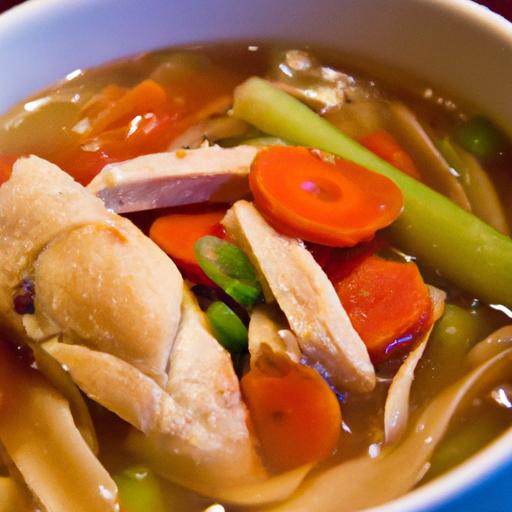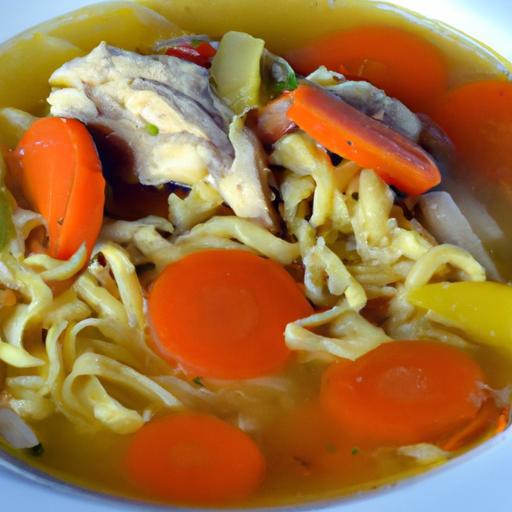
There’s something undeniably soothing about a steaming bowl of chicken noodle soup-a timeless elixir that wraps you in warmth and comfort with every spoonful.Whether it’s a chilly evening, a day spent under the weather, or simply a craving for a hearty, homemade meal, this classic concoction has a unique way of nurturing both body and soul. In this guide, we’ll take you on a flavorful journey through the art of crafting your own chicken noodle soup from scratch, blending fresh ingredients, rich broth, and tender noodles into a harmonious bowl of goodness. prepare to discover the secrets behind this beloved comfort food and transform your kitchen into a haven of warmth, one simmering pot at a time.
Warm comfort in a bowl is what every soul craves on a chilly day, and few dishes embody that soothing embrace as perfectly as homemade chicken noodle soup.Rooted in timeless tradition yet infinitely adaptable, this classic delight offers more than just nourishment-it’s a heartfelt ritual, a steaming hug ladled straight from the pot. Let’s explore how to select the finest ingredients, master a broth that sings with depth, and create noodles that deliver just the right bite, ensuring every spoonful epitomizes cozy flavor and texture.
Prep and Cook Time
- Preparation: 20 minutes
- Cooking: 1 hour 10 minutes
- Total Time: 1 hour 30 minutes
Yield
Serves 6 hearty bowls of comfort
Difficulty Level
Easy to Medium – perfect for home cooks wanting to elevate a cozy favorite
Ingredients
- 1 whole organic chicken (3-4 lbs), rinsed and patted dry
- 10 cups filtered water
- 4 large carrots, peeled and sliced into ½-inch rounds
- 3 stalks celery, chopped
- 1 medium yellow onion, quartered
- 4 cloves garlic, smashed
- 2 bay leaves
- 1 teaspoon whole black peppercorns
- 1 teaspoon kosher salt (plus more to taste)
- 8 ounces egg noodles or homemade noodles
- Fresh parsley, finely chopped (for garnish)
- 2 tablespoons extra-virgin olive oil or butter
- Optional: 1 teaspoon fresh thyme leaves or ½ teaspoon dried thyme
Instructions
- Build the broth base: In a large stockpot, combine whole chicken and filtered water. Bring to a gentle boil over medium-high heat, skimming off any foam that rises to the surface to keep the broth crystal clear.
- Add aromatics: Stir in carrots, celery, onion, garlic, bay leaves, peppercorns, and salt. Reduce the heat to low and let it gently simmer, uncovered, for about 60 minutes; this slow extraction will coax rich flavor and body from the chicken.
- Check doneness: Once the chicken is tender and easily pulls away from the bone, carefully remove it from the pot and set aside to cool.
- Strain the broth: Pour the broth through a fine mesh sieve into another pot, discarding the vegetables and spices. For a clearer broth, strain once more through a cheesecloth-lined sieve.
- Prepare the noodles: Return the strained broth to medium heat. Add egg noodles and cook following package instructions until al dente-usually 6-8 minutes-or until just tender if homemade. Avoid overcooking to maintain perfect texture in every spoonful.
- Shred the chicken: While noodles cook, remove skin and bones from the cooled chicken, shredding the meat into bite-sized pieces.
- Combine and finish: Stir the shredded chicken into the simmering broth and noodles. Adjust seasoning with extra salt or a pinch of fresh thyme if using. Let it warm through for 2-3 minutes to marry all flavors.
- Serve with love: Ladle the soup into bowls, garnish generously with chopped fresh parsley, and drizzle a touch of olive oil or a small pat of butter for a silky finish.
Chef’s Notes: Tips for Success
- Choosing your chicken: Opt for organic or pasture-raised for superior flavor and cleaner broth. Chicken with bones and skin contributes collagen, deepening richness.
- Broth clarity: Skimming foam early and gentle simmering prevent cloudy broth-an crucial step for both taste and visual appeal.
- Noodle alternatives: Feel free to swap egg noodles with gluten-free varieties or hand-cut fresh pasta for a personalized touch. Always cook noodles in the broth to absorb the savory flavors.
- Make-ahead magic: The broth can be prepared 1-2 days in advance and refrigerated. Reheat gently and add noodles and chicken last,preventing sogginess.
- Boost nutrition: Add a handful of spinach or kale just before serving to amp up vitamins without altering texture.
- Freezing tip: Freeze broth separately from noodles and chicken to maintain noodle integrity upon reheating.
Serving Suggestions for Ultimate Comfort
For an inviting presentation, serve your chicken noodle soup in rustic ceramic bowls that retain heat beautifully. Accompany with a warm crusty baguette or freshly baked herb biscuits to soak up every last drop. Garnish with a sprinkle of vibrant parsley and a crack of black pepper, adding green onions for an extra pop of freshness. A small drizzle of chili oil or lemon zest on the side allows guests to customize the cozy experience further, perfect for cozying up on a rainy afternoon or soothing a cold.

| Nutrient | Per Serving |
|---|---|
| Calories | 270 kcal |
| Protein | 28 g |
| Carbohydrates | 20 g |
| Fat | 7 g |
For more nourishing soups and broths, check out our Hearty Vegetable Soup Recipe. For food safety and nutritional facts about chicken, the USDA offers invaluable guidance at fsis.usda.gov.
Q&A
Q&A: Warm comfort in a Bowl – Your Guide to Homemade Chicken Noodle Soup
Q1: What makes homemade chicken noodle soup so comforting?
A1: There’s something magical about the steaming aroma of simmered chicken,fresh vegetables,and tender noodles mingling in a pot. Beyond its delicious taste, homemade chicken noodle soup offers warmth that feels like a gentle hug on a chilly day or when you’re under the weather. The layers of flavor from scratch-cooked broth and wholesome ingredients create a soul-soothing experience that store-bought versions rarely match.
Q2: What are the essential ingredients for a classic homemade chicken noodle soup?
A2: Building a timeless bowl begins with simple, fresh ingredients: bone-in chicken (for depth of flavor), carrots, celery, onions, garlic, fresh herbs like thyme and parsley, egg noodles or your favorite pasta, salt, and pepper.Each element plays a role-carrots and celery add sweetness and earthiness,onions and garlic infuse savory richness,and herbs bring freshness to the table.
Q3: Is it necessary to use a whole chicken,or can I use just chicken breasts?
A3: While boneless chicken breasts can work,using a whole chicken or at least bone-in pieces generates a richer,more gelatinous broth packed with nutrients and flavor. The bones release collagen during the simmer, giving your soup that silky texture that coats the spoon-pure comfort! If you prefer convenience or a lighter broth, chicken breasts are a fine alternative.
Q4: How do I get clear, flavorful broth without it becoming cloudy?
A4: Patience is key. Start by simmering your chicken gently over low heat, avoiding a rolling boil that can stir up impurities. Skim any foam or scum that rises to the top frequently. Adding aromatic vegetables and herbs during the simmer also enhances clarity and complexity. For even clearer broth, strain it through a fine mesh sieve before adding noodles and vegetables.
Q5: When shoudl I add the noodles to the soup?
A5: Add the noodles toward the end of cooking, usually after the vegetables are tender. This prevents them from becoming mushy or absorbing all the broth’s flavor. If you plan to store leftovers, consider cooking the noodles separately and adding them to individual bowls before serving to keep their perfect texture.
Q6: Can I make chicken noodle soup ahead of time?
A6: Absolutely! Chicken noodle soup often tastes even better the next day as the flavors deepen. Store the soup and noodles separately in airtight containers in the refrigerator for up to three days. When reheating, combine them gently on the stove and add a splash of broth or water if needed.Q7: What are some creative tweaks to customize my chicken noodle soup?
A7: Feel free to play around! Swap egg noodles for gluten-free pasta or hearty grains like barley. Add a squeeze of fresh lemon juice or a pinch of red pepper flakes for brightness and subtle heat. For extra nutrition, toss in kale or spinach near the end of cooking. Each variation brings a new dimension while keeping that classic warmth intact.
Q8: how can I make my chicken noodle soup extra nourishing when feeling under the weather?
A8: Focus on a broth that’s gently simmered to extract maximum nutrients from chicken bones. Boost immunity with fresh garlic and ginger, and add vitamin-rich vegetables like carrots and leafy greens. A pinch of turmeric can add anti-inflammatory benefits too. This isn’t just food-it’s healing in a bowl.Q9: What’s the secret to perfectly tender chicken in my soup?
A9: Slow and steady wins the race. Simmer chicken gently until it’s just cooked through; overcooking can dry it out. After cooking, remove the chicken from the broth, shred or chop it, then return it to the pot. this method ensures tender bites that melt in your mouth.
Q10: How do I achieve balance between broth, noodles, and chicken?
A10: Think of your soup like a symphony-each component should shine without overpowering the others. Generous broth forms the soothing base, tender chicken provides hearty substance, and noodles add satisfying texture.Start with balanced quantities (roughly equal parts broth and solid ingredients by volume), taste as you go, and adjust seasoning to your preference. When done right, every spoonful is a harmonious blend of warmth and comfort.
Enjoy your journey in crafting the perfect homemade chicken noodle soup-warmth in a bowl, made by your own hands!
Concluding Remarks
As the steam rises from your bowl and the rich aroma of herbs and tender chicken fills the air, you’re reminded that homemade chicken noodle soup is more than just a meal-it’s a warm embrace on a chilly day, a timeless remedy crafted with care. By mastering this simple guide, you’re not just cooking soup; you’re creating comfort, nourishment, and a little slice of home in every spoonful. So next time life feels a bit frosty, remember: the best comfort often comes in a bowl.