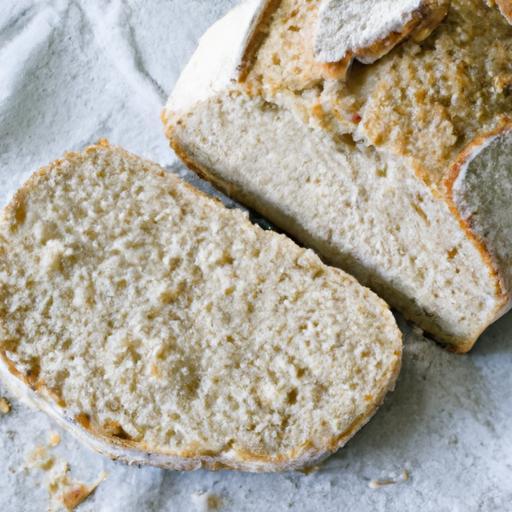
There’s somthing deeply comforting about the simple aroma of freshly baked bread wafting through your home-a warm invitation that promises nourishment and delight in every slice. In our quest for wholesome, easy-to-make recipes, oat flour bread emerges as a gentle hero: naturally gluten-free, subtly sweet, and wonderfully soft. Whether you’re a seasoned baker or a curious beginner,baking oat flour bread at home offers a rewarding way to blend healthful ingredients with the joy of creation. Join us as we explore the art of crafting this wholesome delight, turning everyday pantry staples into a loaf that’s as nourishing as it is delicious.
Choosing the Perfect Oat Flour for Soft and Nutty Bread
Wholesome Delight: Baking Easy Oat Flour Bread at Home begins with selecting the ideal oat flour to ensure a naturally soft crumb and rich, nutty aroma. Opt for stone-ground or freshly milled oat flour when possible, as this retains the kernel’s hearty flavor and moisture that commercial finely processed varieties might lack. Gluten-free certified oat flour is a great pick for sensitive diets, but always check for purity to avoid cross-contamination.
For that perfect balance of density and tenderness, choose oat flour labeled “medium grind.” This texture allows the bread to hydrate evenly, keeping structure without heaviness. Incorporating a small portion (around 15-20%) of whole oat flour or rolled oat flakes can also introduce delightful chewiness and flavor depth. Remember, the characteristics of your oat flour profoundly effect the dough’s elasticity and rise.
Mastering the Mixing and Kneading Process for Fluffy Texture
Wholesome Delight: Baking Easy Oat Flour Bread at Home is as much a tactile journey as it is a culinary one. when combining oat flour with your other ingredients, begin by thoroughly mixing your dry components to ensure even distribution-this prevents clumps and promotes airflow within the dough. Add liquids gradually, gently folding rather than aggressively stirring to nurture those delicate air pockets that create fluffiness.
Though oat flour lacks gluten’s stretchiness, which traditionally traps air, you can achieve softness through careful kneading. Use a light touch-knead the dough just until it becomes slightly elastic and uniformly combined, typically around 5 to 7 minutes by hand or 3-4 minutes with a dough hook. Overkneading leads to a gummy texture, so watch for a dough that feels tender yet cohesive. Resting the dough briefly after kneading (about 10 minutes) enhances moisture absorption, helping boost the final loaf’s airy texture.
Secrets to Achieving a Golden Crust Without Compromise
Creating a luscious golden crust on oat flour bread is a sensory reward and a visual delight. For a crackling, caramelized surface without sacrificing the inside’s softness, brushing your shaped dough with a lightly sweetened oat milk wash (1 tablespoon oat milk + 1 teaspoon maple syrup) before baking works wonders.
Preheat your oven thoroughly to 375°F (190°C) and use a baking stone or heavy tray to maintain consistent heat. Placing a small pan of hot water at the oven’s base during the first 10 minutes introduces essential steam, allowing the crust to form beautifully crisp while keeping moisture locked inside. Avoid overbaking; a loaf ready around 25-30 minutes should sound hollow when tapped. Golden hues and inviting aromas reveal success in every bite.
Creative Variations to Elevate Your Homemade Oat Flour Bread
Embrace versatility by adding exciting flavor twists to Wholesome Delight: Baking Easy oat Flour Bread at Home. Incorporate toasted nuts like walnuts or almonds for crunch, fresh herbs such as rosemary or thyme for aromatic freshness, or a handful of dried fruits-think apricots or raisins-to contrast the nutty base with bursts of sweetness.
For those craving a heartier loaf, blend in ½ cup of whole wheat flour or buckwheat flour to add earthiness while maintaining the oat flour’s signature softness. To boost protein and texture, swirl in a tablespoon of chia seeds or flaxseed meal during mixing.Each variation transforms your bread into a unique masterpiece, perfect for breakfast spreads, sandwiches, or a wholesome snack.
Prep and Cook Time
- Readiness: 15 minutes
- Mixing & Kneading: 10 minutes
- First Proof: 1 hour
- Baking: 25-30 minutes
- Total Time: Approximately 2 hours
Yield
One standard 9×5-inch loaf, serving approximately 8 slices
Difficulty Level
Easy – Perfect for novice bakers eager to explore wholesome grains
Ingredients
- 2 ½ cups oat flour, sifted for lightness
- 1 teaspoon baking powder
- 1 teaspoon baking soda
- 1 teaspoon sea salt
- 2 tablespoons maple syrup or honey
- 1 ½ cups warm oat milk (or dairy-free option)
- 1 large egg, room temperature
- 2 tablespoons olive oil or melted coconut oil
Instructions
- Preheat your oven to 375°F (190°C) and prepare a loaf pan by lightly greasing and dusting with oat flour.
- In a large bowl, whisk sifted oat flour, baking powder, baking soda, and salt until fully combined.
- In a separate bowl, mix warm oat milk, maple syrup, egg, and olive oil until smooth and homogenous.
- Slowly pour the wet mixture into the dry ingredients, folding gently with a spatula until just combined – the batter will be somewhat sticky but should hold shape.
- Turn the dough onto a lightly floured surface and knead gently for 5-7 minutes, folding and pressing softly until smooth and elastic.
- Place the dough back into a greased bowl, cover with a clean cloth, and allow it to rise in a warm spot for about 1 hour or until puffed.
- Transfer the dough to the prepared pan and smooth the top. Brush the surface with an oat milk and maple syrup wash for a golden crust.
- Place a shallow pan with hot water at the bottom rack of the oven to create steam,then bake the bread for 25-30 minutes until golden brown and hollow sounding when tapped.
- Remove from oven, allow to cool for 10 minutes before removing from the pan, and cool completely on a wire rack before slicing.
Tips for Success
- Substitute egg replacer or flax egg for a vegan option.
- Use fresh oat flour or pulse rolled oats in a high-speed blender for unbeatable freshness.
- Maintain gentle kneading to avoid dense or crumbly bread.
- For a softer crumb, add 1 tablespoon of plain yogurt or applesauce into the wet ingredients.
- Make ahead: Slice and freeze the loaf; thaw slices at room temperature or toast directly.
Serving Suggestions
This oat bread shines when toasted lightly and topped with creamy nut butters, seasonal fruit jams, or a sprinkle of cinnamon sugar. For a savory twist, serve with smashed avocado and a pinch of chili flakes or pair with hearty soups and fresh garden salads. Garnish with fresh herbs like chopped chives or parsley to brighten presentation and palate.

| Nutrient | Per Slice (1/8 loaf) |
|---|---|
| Calories | 140 |
| Protein | 4g |
| Carbohydrates | 24g |
| Fat | 3g |
For more wholesome whole grain baking inspiration, check out our Ancient grain Breads Collection.To deepen your understanding of oat nutrition benefits, visit ChooseMyPlate.gov.
Q&A
Wholesome Delight: Baking Easy Oat Flour Bread at Home - Q&A
Q1: What makes oat flour bread a wholesome choice compared to conventional wheat bread?
A1: Oat flour bread boasts a naturally nutty flavor and a tender crumb that’s both comforting and nourishing. Unlike many refined wheat breads, oat flour is packed with soluble fiber-particularly beta-glucan-which supports heart health and promotes steady energy release. It’s a delightful option for those seeking something gentle on digestion without compromising on texture or taste.
Q2: Is oat flour suitable for people with gluten sensitivities?
A2: Oats themselves are naturally gluten-free, but cross-contamination during processing is common. For those with gluten sensitivities or celiac disease,it’s critically important to choose certified gluten-free oat flour.When combined with gluten-free leavening techniques or complementary flours, oat flour can create a soft and satisfying loaf without gluten.
Q3: How does oat flour affect bread texture and rise?
A3: Oat flour lacks the gluten proteins present in wheat that provide elasticity and structure, so bread made solely with oat flour tends to be denser and more crumbly. However, when blended with a little yeast, eggs, or other binding agents like xanthan gum or flaxseed, it can still achieve a nice rise and moist texture. The outcome is a wonderfully hearty bread with a tender bite.
Q4: What are some simple ingredients needed to bake oat flour bread at home?
A4: The beauty of oat flour bread is its simplicity-start with oat flour, baking powder or yeast, a pinch of salt, a natural sweetener like honey or maple syrup, and a liquid component such as milk, plant-based milk, or water. Adding eggs or yogurt can enrich the dough, but even without them, you’ll get a lovely loaf that’s quick to prepare and bake.Q5: Can I customize the flavor or add-ins for oat flour bread?
A5: absolutely! The mild, slightly sweet flavor of oat flour lends itself to all sorts of delightful additions. Consider stirring in cinnamon, nutmeg, or citrus zest for a warm aroma.Nuts, seeds, dried fruits, or fresh herbs can elevate the loaf into a multi-dimensional treat that feels both wholesome and festive.
Q6: How should I store oat flour bread to keep it fresh?
A6: As oat flour bread is frequently enough free from preservatives and may have a slightly higher moisture content, it’s best stored in an airtight container at room temperature for 2-3 days. For longer freshness, wrap the loaf tightly and freeze it in slices; then toast or gently warm pieces as needed to revive their soft texture.
Q7: What’s a quick tip for beginners baking oat flour bread at home?
A7: Start simple and don’t rush the mixing process! Let your wet and dry ingredients marry slowly to create a cohesive dough. If using yeast, allow the dough adequate time to rise in a warm spot-it’s the patience here that rewards you with a beautifully airy crumb. Remember, homemade oat flour bread is as much about the experience as it is the final slice.
Q8: How can I make oat flour bread more nutritious?
A8: Boost nutrition by incorporating whole seeds like chia or flax for omega-3s, or add finely chopped nuts for texture and protein. Swapping some of the liquid for plant-based milk fortified with vitamins can also enhance nutrient content. Pair your bread with wholesome spreads like almond butter or a vibrant avocado mash to round out a nourishing snack or meal.
Baking oat flour bread at home transforms simple ingredients into a warm expression of wholesome delight-inviting creativity, nourishment, and the cozy aroma of fresh bread into your kitchen.Happy baking!
Insights and Conclusions
Baking oat flour bread at home isn’t just about crafting a wholesome loaf-it’s an invitation to slow down, savor simplicity, and nourish both body and soul. With just a few pantry staples and a little patience, you can transform humble ingredients into a warm, comforting staple that fills your kitchen with irresistible aroma.Whether you’re a seasoned baker or a curious beginner, this easy oat flour bread recipe opens the door to deliciously healthy homemade breads that bring joy to every slice. So tie on your apron, embrace the gentle rhythm of baking, and let each loaf be a reminder that sometimes, the simplest delights are the most meaningful.