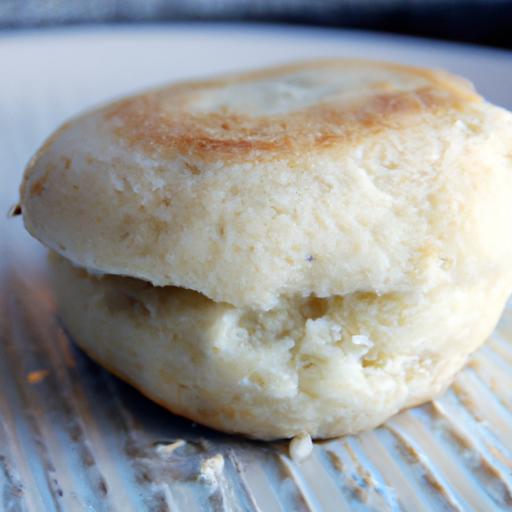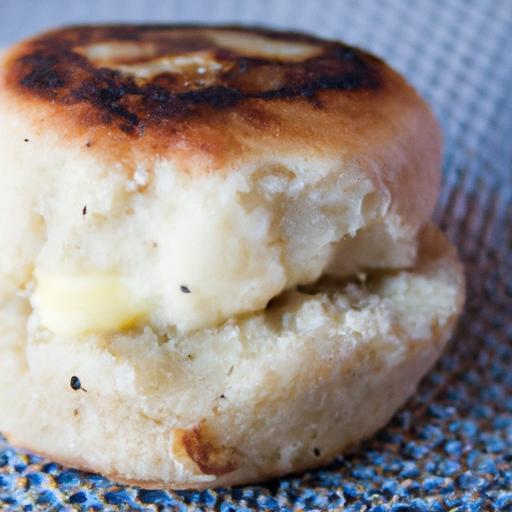
There’s something deeply satisfying about the humble english muffin-a warm, golden treasure that crackles delightfully when toasted, ready to cradle butter, jam, or your favorite breakfast fixings. In a world buzzing with rushed mornings and instant everything, the charm of homemade English muffins lies in their slow-crafted, comforting nature. This isn’t just baking; it’s an experience, a small act of patience and love that rewards you with that perfect balance of crisp edges and tender, airy nooks. Whether you’re a seasoned baker or a curious kitchen adventurer, this guide will walk you through the art and science of making flawless English muffins at home-turning simple ingredients into a comforting ritual that elevates breakfast to something truly special.
Choosing the Right Ingredients for Fluffy and Flavorful Muffins
Craving comfort: how to Make Perfect Homemade English muffins begins with selecting ingredients that nurture both flavor and texture. To achieve those iconic nooks and crannies and that tender crumb, start with high-quality bread flour-its higher protein content encourages gluten progress, essential for the chewy interior contrast. Complement this with active dry yeast or instant yeast to guarantee a lively rise that forms the characteristic pockets.
Whole milk or a combination of milk and water adds moisture richness without weighing the dough down, while a touch of butter lends subtle softness and flavor. Avoid over-sweetening; a little sugar activates the yeast and balances the bread’s gentle tang.Salt is crucial here-not only for taste but also to strengthen the dough’s structure.
fresh ingredients matter-especially when it comes to yeast and flour-as stale components can dull the performance of the dough and the depth of flavor in your muffin.
Mastering the Art of the Dough for the Ideal Texture
Creating the perfect dough is where the magic happens. after combining your ingredients, knead gently yet thoroughly until the dough feels smooth and elastic-this stage is your foundation. Don’t rush; proper gluten formation ensures the dough traps air bubbles effectively, birthing those beloved craters when cooked.
let the dough rest and rise in a warm, draft-free spot. This fermentation phase allows the yeast to work its magic, expanding the dough while developing flavor complexity. Punching down and gently shaping the dough maintains structure without deflating its airiness.
Pro tip: avoid adding to much flour during shaping. A slightly tacky dough results in a softer final product, while excessive flour can led to tougher English muffins.
Secrets to achieving the Classic Nooks and Crannies
Those signature nooks and crannies come from careful handling of the dough and precise cooking. After rolling the dough to about 1/2-inch thickness, use a round cutter to press straight down without twisting-twisting seals the edges and kills air pockets. Dust both sides liberally with cornmeal to enhance texture and prevent sticking.
Let the cut rounds proof briefly before cooking; this final rise activates the yeast just enough to help create interior bubbles.When cooking, moderate heat is essential-too high, and the outside will brown before pockets fully expand, too low, and the muffins become dense.A cast-iron griddle or heavy nonstick skillet provides even heat distribution.
perfecting the Cooking Technique for golden Brown Perfection
Cooking is the final frontier for perfect English muffins. Place them gently on the preheated griddle and cook low and slow for about 7-10 minutes per side. Resist the urge to flip prematurely; wait for a deep golden-brown crust to develop. This crust seals in moisture and ensures the nooks remain tender.
Onc cooked, cool the muffins wholly before slicing horizontally with a fork or serrated knife to expose their airy interiors-avoid a clean slice that compresses the delightful texture.
Prep and Cook Time
- Prep Time: 20 minutes
- Rise Time: 1 hour 45 minutes (total, in two stages)
- Cook Time: 20 minutes
- Total Time: Approximately 2 hours 25 minutes
Yield
yields approximately 8 English muffins, perfect for sharing or enjoying through the week.
Difficulty Level
Medium – this recipe requires patience and attention to detail but promises rewarding results.
Ingredients
- 3 1/2 cups bread flour, sifted
- 1 tbsp sugar
- 1 tsp salt
- 1 packet (2 1/4 tsp) active dry yeast
- 1 1/4 cups whole milk, warmed to 110°F
- 2 tbsp unsalted butter, melted and cooled
- cornmeal, for dusting
Instructions
- Activate the Yeast: In a small bowl, combine warm milk and sugar, then sprinkle yeast on top. Let it sit for 5-10 minutes until frothy.
- Mix Dough: In a large bowl, whisk together bread flour and salt. Pour in the yeast mixture and melted butter. Stir until a shaggy dough forms.
- Knead: Transfer dough onto a floured surface and knead for 8-10 minutes until smooth and elastic. You can also use a stand mixer fitted with a dough hook on medium speed for 6-7 minutes.
- First Rise: Lightly oil a clean bowl and place the dough inside. Cover with a damp cloth or plastic wrap. Let rise in a warm spot until doubled, about 1 to 1.25 hours.
- Shape Muffins: Punch down the risen dough and roll out to 1/2-inch thickness. Use a 3-inch round cutter to cut muffins without twisting. Dust both sides with cornmeal and place on a parchment-lined baking sheet.
- Second Rise: Cover loosely with a towel and let the muffins rise for 30-40 minutes until slightly puffy.
- Cook: Heat a cast-iron skillet or griddle over medium-low heat. cook muffins 7-10 minutes per side until deeply golden brown. Adjust heat as needed to avoid burning.
- Cool and Slice: Transfer muffins to a wire rack to cool completely. Slice horizontally with a fork for authentic nooks and crannies, avoiding pressing down.
Tips for Success
- use bread flour instead of all-purpose flour to promote better gluten structure and texture.
- Keep milk temperature between 105-115°F for optimal yeast activation-too hot kills yeast, too cold slows fermentation.
- Don’t twist cutters when shaping; this helps preserve rise and aeration for the crumb.
- Resting and a gentle second proof help achieve those signature pockets inside your muffins.
- Cook whole batches before slicing-warm muffins slice better than when fresh out of the skillet.
- For a whole grain twist, substitute up to half the bread flour with whole wheat flour but expect a heartier crumb.
Serving Suggestions
Serve warm English muffins split and toasted, slathered with creamy butter and your favorite natural honey or homemade preserves. For a savory option, layer with ripe avocado, cherry tomatoes, and a sprinkle of flaky sea salt. Fresh herbs like thyme or rosemary elevate the simple muffin beautifully.
Pair with a rich scrambled egg or smoked salmon for a luxurious brunch centerpiece. Garnish plates with microgreens or edible flowers to enhance visual appeal and invite indulgence.

| Nutrient | Per Muffin |
|---|---|
| Calories | 140 |
| Protein | 5g |
| Carbohydrates | 25g |
| Fat | 3g |
Discover more baking inspiration and techniques by visiting our in-depth bread baking guide. for detailed yeast science,visit King Arthur Baking company’s yeast tutorial.
Q&A
Q&A: Craving Comfort - How to Make perfect Homemade English Muffins
Q1: What makes English muffins so special compared to other breakfast breads?
A1: English muffins hold an almost magical place in the breakfast world thanks to their unique texture-a perfect combination of a crisp, golden-brown crust and a soft, airy interior filled with those prized nooks and crannies. These little pockets are perfect for holding melted butter, jam, or honey, delivering comfort with every bite.
Q2: Can I make English muffins at home even if I’m a novice baker?
A2: Absolutely! English muffins are wonderfully forgiving and don’t require advanced baking skills.With basic ingredients like flour, yeast, milk, and a touch of sugar, you can create a batch of warm, homemade muffins that rival those from the bakery-plus the added satisfaction of crafting them yourself.
Q3: Why do English muffins have those distinctive nooks and crannies?
A3: Those charming crannies come from the dough’s fermentation and cooking method. After the dough rises, it’s shaped and left to rest, allowing bubbles to form within. When cooked on a griddle rather of baked in an oven, the muffins develop their signature textured interior and golden crust.
Q4: What’s the secret to a tender crumb and crispy exterior in homemade English muffins?
A4: The key lies in balancing the resting, cooking temperature, and technique. Letting the dough proof sufficiently encourages the gluten to relax and let air pockets form, while cooking the muffins slowly on a hot griddle ensures the exterior crisps without burning. Flipping them at just the right moment gives that even golden finish.
Q5: Can I customize the flavor or texture of my English muffins?
A5: Definitely! You can experiment by adding whole wheat flour for a nuttier taste, sprinkle in some oats or seeds for texture, or even incorporate spices like cinnamon for a warm twist. Just be mindful that additional ingredients may affect fermentation and cooking times.
Q6: How should I store homemade English muffins to keep them fresh?
A6: Once cooled, store your muffins in an airtight container or a resealable bag at room temperature for up to two days. For longer storage, freeze them individually wrapped-they thaw quickly and toast beautifully straight from the freezer.
Q7: what are the best ways to enjoy homemade English muffins?
A7: The possibilities are endless! Slathered with butter and honey, stacked with fresh berries and whipped cream, or topped with creamy avocado and a sprinkle of sea salt-they make the perfect canvas for both sweet and savory toppings. Their adaptability makes them an all-day craving comfort food.
Q8: Is it possible to make English muffins without yeast?
A8: Traditional English muffins rely on yeast for their characteristic rise and texture, but quick-bread versions exist using baking powder for a faster approach. However, for that authentic flavor and those lovely nooks, yeast fermentation is your best bet.
Q9: Can I use alternative flours for English muffins?
A9: Yes! While all-purpose flour is standard, experimenting with spelt, rye, or a blend including whole grain flours can add interesting depth and nutrition. Keep in mind,substitution may require adjustments in hydration and proofing time.
Q10: Any tips for mastering the griddle cooking process?
A10: Preheat your griddle evenly and keep the heat moderate-too hot, and the muffins brown quickly without cooking through; too low, and they dry out.Use a thin spatula to flip delicately, preserving their shape, and cook each side until golden brown and firm. Patience here rewards you with classic texture and flavor.
With these insights, your journey to baking perfect homemade English muffins will turn every morning into a comforting party of warmth and taste. Happy baking!
Wrapping up
Whether you’re a seasoned baker or a curious kitchen adventurer, mastering the art of homemade English muffins is a rewarding journey that brings warmth and comfort to your table. From the satisfying crunch of their golden crust to the tender, airy nooks inside, each bite tells a story of patience and love. So, next time those cozy cravings strike, remember: perfection is just a mix, a rise, and a gentle toast away. Embrace the process, savor the flavors, and let your homemade English muffins become the comforting staple that turns ordinary mornings into something truly special.