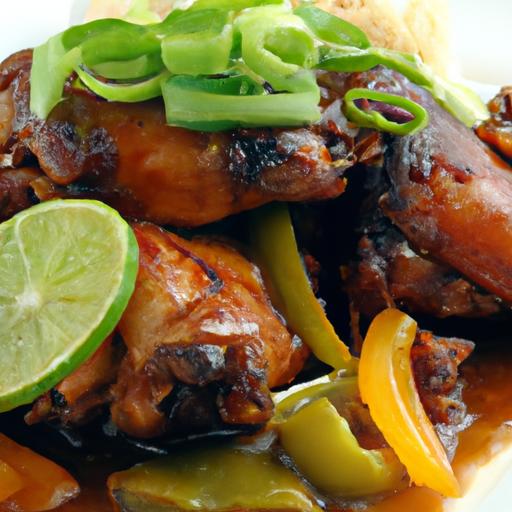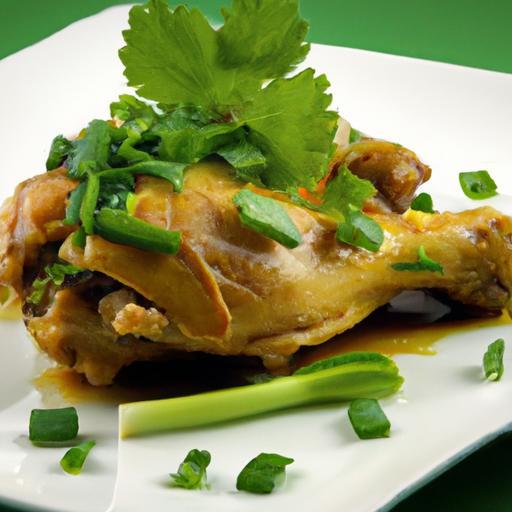
In the heart of filipino kitchens, where tradition and flavor intertwine, one dish reigns supreme-Chicken Adobo. More than just a meal, this timeless culinary gem embodies the soul of the Philippines, offering a harmonious blend of tangy vinegar, savory soy sauce, garlic, and peppercorns that dance on the palate. From humble family gatherings to festive celebrations, Chicken Adobo has woven itself into the fabric of Filipino culture, standing as a appetizing testament to the archipelago’s rich history and vibrant heritage. Join us as we delve into the art of savoring this iconic dish, uncovering the secrets that make it a beloved staple across generations and borders alike.
Origins and Cultural Importance of Filipino Chicken Adobo
savoring Filipino Chicken Adobo transports you to a rich tapestry of Filipino heritage,where every simmering pot tells a story of resilience and tradition. This iconic dish traces back centuries, often revered as the unofficial national dish of the Philippines. Its roots intertwine indigenous cooking methods with influences from Spanish colonization, where native cooks used vinegar and local spices to preserve meat in the tropical heat. Chicken Adobo embodies a culinary philosophy that transcends mere ingredients – it captures a way of life, anchored in resourcefulness and community sharing.
For many Filipino families, adobo is more than just dinner; it’s tradition on a plate, a comforting reminder of home nonetheless of where life’s journey leads.The beauty of this dish lies in its adaptability. Each region, and even each household, adds a unique touch-be it the subtle sweetness from coconut vinegar or the sharpness of extra black peppercorns. The harmonious balance of sour, salty, and umami flavors reflects the Filipino palate’s love for bold yet nuanced tastes.
Mastering the Perfect Balance of Flavors and Aromatics
Savoring Filipino Chicken Adobo means unlocking the perfect symphony of flavors-from the tangy acidity of vinegar to the deep umami of soy sauce, timed to mellow with garlic and earthy bay leaves. The secret is mastering balance: the vinegar shouldn’t overpower, yet it must preserve the chicken’s tender juiciness and impart a subtle tang. Freshly cracked black pepper and caramelized garlic are key aromatics that elevate the dish’s complexity without overwhelming it.
Before cooking, marinating the chicken allows the flavors to penetrate deeply, while slow simmering ensures the meat absorbs the sauce’s rich character. It’s essential to monitor the reduction process carefully; the sauce should slightly thicken, glistening with a luscious sheen that signals readiness. Achieving this balance invites an addictive, soulful taste experience reminiscent of Filipino family gatherings.
Essential Ingredients and Techniques for Authenticity
- 3 lbs bone-in chicken thighs – skin-on for crispiness and flavor
- 1 cup palm or cane vinegar – traditional acidity source, not overpowering
- ½ cup soy sauce – naturally brewed for depth and slight sweetness
- 1 whole head garlic, peeled and crushed – pungent and aromatic
- 2 bay leaves – earthy warmth and subtle herbal notes
- 1 tsp whole black peppercorns – freshly cracked post-cooking for pungency
- 1 tbsp brown sugar – balances acidity with subtle sweetness
- 1 cup water or chicken broth – controls sauce consistency and enhances richness
- 2 tbsp cooking oil – for sautéing the garlic and chicken
Key techniques include a thorough garlic sauté, which releases the essential oils and forms a fragrant base, and careful simmering at low heat to tenderize the chicken while melding flavors. Avoid boiling aggressively to keep the meat moist and prevent the vinegar’s sharpness from turning harsh.
Tips for Serving and Enhancing Your Chicken Adobo Experience
Serve your adobo steaming hot over fluffy jasmine rice, which perfectly absorbs the tangy, savory sauce. Garnish with freshly chopped green onions or a sprinkle of crispy fried garlic for texture contrast. For an added dimension, accompany the dish with lightly pickled vegetables or a fresh cucumber salad, balancing the richness with crisp brightness.
Leftovers only improve with time. Consider gently reheating the adobo the next day – the flavors deepen and the sauce thickens beautifully, making it an ideal make-ahead meal for busy weeks. To elevate presentation, serve in a rustic clay pot or glazed earthenware, echoing the dish’s humble yet celebratory origins.
prep and Cook Time
- Preparation: 20 minutes (includes marinating time)
- Cooking: 45 minutes
- Total: 1 hour 5 minutes
Yield
Serves 6 hearty portions
Difficulty Level
Easy to Medium – perfect for home cooks eager to master Filipino classics
Ingredients
- 3 lbs bone-in chicken thighs, skin-on
- 1 cup palm or cane vinegar
- ½ cup naturally brewed soy sauce
- 1 head garlic, peeled and crushed
- 2 bay leaves
- 1 tsp whole black peppercorns
- 1 tbsp brown sugar
- 1 cup water or chicken broth
- 2 tbsp cooking oil (vegetable or canola)
Instructions
- In a large bowl, combine chicken thighs, vinegar, soy sauce, crushed garlic, bay leaves, peppercorns, and brown sugar. Marinate for at least 30 minutes, or up to 1 hour for deeper flavor.
- Heat oil in a heavy-bottomed pot over medium heat.Remove chicken from marinade, reserving the marinade. Sauté chicken until golden brown on all sides, about 5-7 minutes, turning carefully to maintain the skin intact.
- Add the reserved marinade and water (or broth) into the pot.Bring to a boil, then reduce heat to low.Simmer uncovered for 35-40 minutes, occasionally skimming off excess foam and stirring to prevent sticking.
- Once the sauce reduces to a slightly thickened glaze, and the chicken is tender, taste and adjust seasoning if necesary.
- Remove from heat and let the dish rest for 5 minutes before serving. Optionally, sprinkle freshly cracked black pepper for added aroma.
Chef’s Notes & Tips for Success
- For a richer taste, use chicken thighs over breasts – the dark meat remains juicy after slow cooking.
- Substitute coconut vinegar if palm vinegar is unavailable; it adds a mild fruity complexity.
- To achieve crispier skin, you may briefly broil the cooked chicken in the oven after simmering.
- Do not rush the simmering process-low and slow melding is key to tender, flavorful meat.
- Store leftovers in an airtight container; the adobo flavor intensifies beautifully overnight.
Serving Suggestions
Present your chicken adobo in vibrant ceramic bowls, paired with steaming white rice. Garnish with finely chopped green onions or sprinkle with fried garlic chips for crunch. A side of rapid-pickled cucumber and carrot salad offers refreshing contrast. For an indulgent twist, pair with creamy mashed sweet potatoes or a bright, herbaceous water spinach salad.
| Nutrient | Amount per Serving |
|---|---|
| Calories | 320 kcal |
| protein | 28 g |
| Carbohydrates | 7 g |
| Fat | 18 g |

Q&A
Q&A: Savoring Filipino Chicken Adobo: A timeless Culinary Gem
Q1: What makes Chicken Adobo a standout dish in Filipino cuisine?
A: Chicken Adobo is a quintessential Filipino dish beloved for its harmonious balance of tangy, salty, and savory flavors. Its magic lies in the simple yet transformative marinade of vinegar, soy sauce, garlic, and spices that tenderizes the chicken and infuses it with depth.This complexity, paired with its rustic, comforting aroma, makes Adobo a culinary treasure enjoyed both in everyday meals and festive occasions.
Q2: How did Chicken Adobo originate, and why is it considered timeless?
A: Chicken Adobo’s roots trace back to Indigenous filipino cooking methods, which involved marinating meat in vinegar as a natural preservative. The dish’s evolution was influenced by Spanish colonization but remained distinctly Filipino through its unique flavor profile. its timelessness stems from its adaptability-it can be made with pantry staples, transforms beautifully with each cook’s touch, and resonates across generations as a symbol of home and heritage.Q3: What are the key ingredients that create the iconic taste of Chicken Adobo?
A: At its core, Chicken Adobo shines with a few simple ingredients: chicken pieces slowly braised in a luscious mix of vinegar and soy sauce, enhanced by fragrant garlic, cracked black peppercorns, and bay leaves. This medley creates a robust, umami-packed sauce that clings to tender chicken, offering layers of flavor with every bite.
Q4: Can Chicken Adobo be customized according to personal taste?
A: Absolutely! While the classic recipe is revered, Chicken Adobo invites creativity. Some like it with a touch of sweetness from a bit of brown sugar or coconut milk for creaminess, while others prefer a sharper tang by adding more vinegar. the beauty of adobo is that it respects tradition but also welcomes the cook’s signature flair.
Q5: What are the secrets to achieving the perfect texture and flavor in Chicken Adobo?
A: Patience and technique are essential. Marinating the chicken allows the flavors to deeply penetrate, while slow simmering ensures the meat becomes tender and infused with the aromatic sauce. Allowing the sauce to reduce to a glaze enhances its richness,and resting the dish before serving lets the flavors meld beautifully,giving you that iconic Adobo experience.
Q6: How is Chicken Adobo typically served and enjoyed in the Philippines?
A: Chicken Adobo is commonly served steaming hot with white jasmine rice, which soaks up the savory sauce perfectly. It’s a staple in Filipino households, enjoyed at lunch and dinner, and often features in celebrations. Some even savor Adobo cold or reheated, finding that the flavors deepen overnight, much like a fine stew.
Q7: Why does Chicken adobo continue to captivate food lovers worldwide?
A: Its universal appeal lies in its approachable ingredients paired with complex flavor layers.chicken Adobo is a story on a plate-of cultural heritage, resourcefulness, and comfort. Whether discovered in a humble kitchen or a gourmet restaurant, its soulful taste invites all to experience a piece of Filipino warmth and history with every forkful.
In Retrospect
As the rich, tangy aroma of chicken adobo lingers in the air, it’s clear that this timeless Filipino dish transcends mere sustenance-it is a flavorful testament to a culture steeped in history and heart. Whether simmered in traditional bamboo pots or reimagined with modern twists, chicken adobo continues to unite families, evoke nostalgia, and invite curious palates to savor a bite of the Philippines’ culinary soul. So, the next time you find yourself craving a meal that tells a story with every tender morsel, remember: chicken adobo isn’t just food-it’s a cherished tradition worth celebrating, one simmering pot at a time.