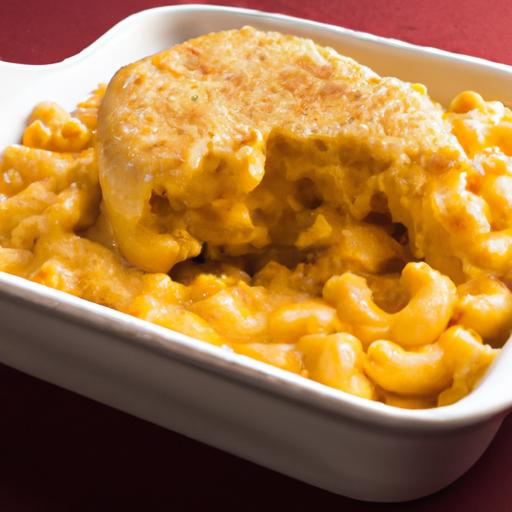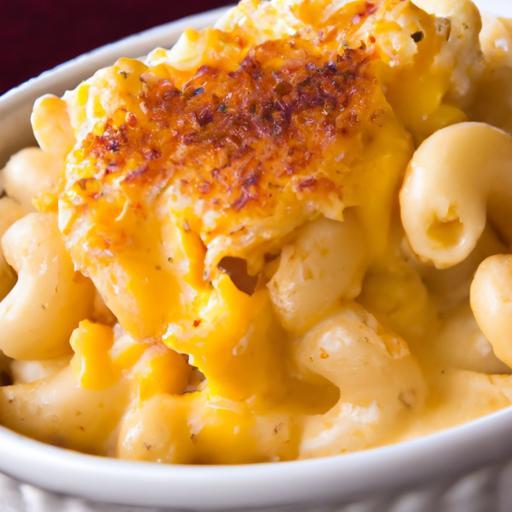
In a world swirling with culinary trends and avant-garde flavors, there remains a dish that comforts like a warm embrace and delights with every creamy, cheesy bite: old-fashioned baked macaroni and cheese. this timeless classic is more than just a side dish-it’s a celebration of simplicity, nostalgia, and the art of slow, thoughtful cooking. From its golden, bubbling top to the rich, velvety sauce that binds tender pasta, traditional baked mac & cheese captures the essence of home-cooked goodness that transcends generations. In this article, we’ll explore the history, techniques, and secrets behind crafting the perfect old-fashioned baked mac & cheese-a dish that never goes out of style and always feels like a flavorful journey back to the heart of comfort food.
The Rich History Behind Classic Baked Mac and Cheese
Timeless Comfort: The Art of old-Fashioned Baked Mac & Cheese holds a special place in culinary history as one of America’s most beloved comfort foods. Tracing its roots back to 18th-century Europe, baked macaroni and cheese first appeared in writen form in an English cookbook by Elizabeth Raffald in 1769, than journeyed across the Atlantic to become a staple in southern U.S. homes.Its simple elegance, marrying tender pasta with a decadent cheese sauce, evokes warm memories of family gatherings and cozy evenings. This dish embodies tradition and innovation, inviting home cooks to master an enduring classic with ease and creativity.
Prep and Cook Time
- Preparation: 15 minutes
- Cooking: 35 minutes
- Total Time: 50 minutes
Yield
Serves 6 generous portions – perfect for family meals or entertaining guests.
difficulty Level
Easy to Medium: Ideal for both beginner and confident home cooks looking to elevate their weeknight dinners.
Ingredients
- 2 cups elbow macaroni or cavatappi pasta
- 4 tablespoons unsalted butter
- 1/4 cup all-purpose flour, sifted
- 3 cups whole milk, warmed
- 1 cup shredded sharp cheddar cheese
- 1 cup shredded Gruyère cheese
- 1/2 cup freshly grated Parmesan cheese, plus extra for topping
- 1 teaspoon Dijon mustard
- 1/2 teaspoon smoked paprika
- Salt & freshly ground black pepper, to taste
- 1 cup panko breadcrumbs
- 2 tablespoons olive oil
Instructions
- Preheat the oven to 350°F (175°C). Lightly grease a 9×13-inch baking dish.
- Cook the pasta: Boil the elbow macaroni in salted water until just al dente, about 7 minutes. Drain and set aside.
- Make the roux: In a medium saucepan, melt the butter over medium heat. Whisk in the sifted flour and cook, stirring constantly, until the mixture bubbles and turns a light golden color, about 2 minutes.
- Create the cheese sauce: Slowly pour in the warm milk, whisking vigorously to avoid lumps. Continue cooking and stirring until the sauce thickens and coats the back of a spoon, approximately 6-8 minutes.
- Add flavor: Stir in the dijon mustard, smoked paprika, salt, and pepper. Gradually fold in the cheddar, Gruyère, and Parmesan cheeses until melted and silky smooth.
- Combine pasta and sauce: fold the drained pasta into the cheese sauce, ensuring every noodle is beautifully coated.
- Prepare topping: In a small bowl, toss the panko breadcrumbs with olive oil and a sprinkle of Parmesan cheese for a beautifully crisp and golden crust.
- Assemble and bake: Pour the cheesy macaroni into the prepared baking dish. Evenly sprinkle the breadcrumb mixture over the top.
- Bake: Place in the preheated oven and bake until bubbling and the topping is golden brown, about 25 minutes. For extra crispness, broil for 1-2 minutes at the end-watch carefully!
- Rest and serve: allow the baked mac and cheese to cool for 5 minutes before serving, helping it set for rich, creamy bites.
Chef’s Notes: Tips for success
- Cheese variety: Experiment with mixing creamy cheeses like fontina or Monterey jack for a different texture and nuanced flavors, but always include a sharper cheese for depth.
- Milk temperature: Use warm milk to prevent lumps when making your béchamel sauce-this ensures a smooth, luscious base.
- Pasta shape: Elbow macaroni is a classic choice, but wonderfully tubular pasta like cavatappi or shells trap the sauce deliciously.
- Make-ahead: Prepare up to step 8, cover tightly, and refrigerate for up to 24 hours. Bake from cold, adding 10 extra minutes to baking time.
- Crispy topping fix: If the breadcrumbs brown too quickly, tent the dish loosely with foil halfway through baking.
Serving Suggestions
Present this timeless comfort with a crisp green salad dressed in lemon vinaigrette to balance richness. Garnish with chopped fresh chives or parsley for a pop of herbal freshness and a sprinkle of extra Parmesan for visual appeal. For a cozy twist, serve alongside roasted garlic or a bowl of homemade tomato soup - perfect for dipping.

| nutrient | Per serving |
|---|---|
| Calories | 460 kcal |
| protein | 22 g |
| Carbohydrates | 38 g |
| Fat | 24 g |
Explore more comfort food classics in our Creamy Mac and Cheese Variations.For a deeper dive into the science of cheese melting, visit Serious Eats.
Q&A
Q&A: timeless Comfort: The Art of Old-Fashioned baked Mac & Cheese
Q1: What makes old-fashioned baked mac & cheese different from modern versions?
A1: old-fashioned baked mac & cheese is all about simplicity, warmth, and nostalgia. Unlike cream-heavy contemporary takes, the traditional version focuses on a harmonious blend of creamy cheese sauce, tender elbow macaroni, and a golden, crunchy breadcrumb topping. It’s comfort food steeped in history, where every ingredient has a purpose-to create a soulful, satisfying dish that feels like a warm hug from the past.
Q2: Which cheeses work best for that classic creamy yet baked texture?
A2: A combination of sharp cheddar for flavor depth and mild cheeses like Monterey Jack or a touch of Gruyère creates the perfect melt and richness. Sharp cheddar brings the signature tanginess, while mellower cheeses smooth out the texture and add a subtle complexity that makes each bite luscious and velvety.
Q3: How significant is the breadcrumb topping, and how do you get it just right?
A3: The breadcrumb topping is essential-it adds that irresistible crunch that contrasts beautifully with the creamy interior. To get it just right, use fresh breadcrumbs tossed with a bit of melted butter and a pinch of salt. Scatter them evenly on top before baking until golden and crisp. This creates a delightful texture layer that makes the dish as much about the crust as the creamy cheese underneath.
Q4: Can I prepare the cheese sauce ahead of time?
A4: absolutely! The cheese sauce can be made a day in advance and refrigerated. Just be sure to gently reheat it over low heat with a splash of milk to bring back its creamy consistency before combining it with the pasta. This prep step can save time and deepen the flavors as the sauce rests overnight.Q5: What’s the secret to perfectly cooked pasta for baked mac & cheese?
A5: The pasta should be cooked al dente-firm to the bite but fully cooked. This ensures it won’t become mushy after baking. Slightly undercooking the pasta by about a minute before mixing it with the cheese sauce allows it to finish cooking perfectly in the oven, soaking up the flavors without losing its structure.
Q6: Are there simple, timeless additions to elevate baked mac & cheese without overpowering it?
A6: certainly! Classic additions like sautéed onions or caramelized shallots can add a gentle sweetness and depth. A sprinkle of freshly ground black pepper or a dash of smoked paprika enhances the flavor subtly. Fresh herbs such as thyme or parsley introduce a hint of brightness without stealing the spotlight from the cheese.
Q7: how do you avoid a soggy bottom or overly dry edges?
A7: Achieving the perfect balance comes down to the cheese sauce consistency and baking time. The sauce shouldn’t be too thin-think thick and creamy, almost like a soft gravy. Bake at a moderate temperature until the top is golden brown and bubbling, usually around 30 to 40 minutes. This even heat encourages uniform cooking and keeps the edges from drying out while ensuring a creamy center.
Q8: what cookware is best for baked mac & cheese?
A8: A shallow,oven-safe casserole or baking dish works best as it spreads the macaroni mixture out in a thin layer,promoting even cooking and allowing that coveted crust to form all over the top. Cast iron skillets or ceramic baking dishes are favorites for their heat retention and rustic appeal, enhancing both flavor and presentation.
Q9: How has old-fashioned baked mac & cheese influenced American food culture?
A9: Beyond being a beloved family recipe, old-fashioned baked mac & cheese symbolizes comfort, tradition, and home-cooked love. It has inspired countless variations but remains an icon of simple,satisfying food that crosses generations. Its endurance in American kitchens speaks to the worldwide craving for dishes that nourish not just the body, but also the spirit.
Q10: Can this dish be adapted for dietary preferences without losing its soul?
A10: Yes! Using dairy alternatives like creamy cashew sauce or plant-based cheese can create a satisfying version without compromising on texture. The magic lies in layering flavor and texture-the creamy base, tender pasta, and crispy top-so thoughtful substitutions can keep the spirit of timeless comfort alive for all diets.
the Conclusion
As the golden crust of a perfectly baked mac and cheese crackles softly in the oven, we are reminded that some culinary treasures never fade with time. The art of old-fashioned baked mac and cheese is more than just a recipe; it’s a warm embrace from the past, a celebration of simple ingredients transformed through patience and care. Whether enjoyed as a cozy weeknight dinner or a nostalgic centerpiece for family gatherings, this timeless comfort dish invites us to slow down and savor the creamy, cheesy richness that has delighted generations. In every bubbling bite, the legacy of tradition and love is baked right in-proof that sometimes, the best flavors are those steeped in history.