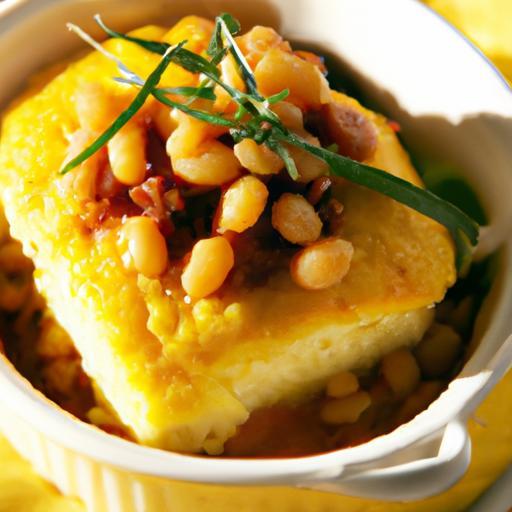
There’s something undeniably enchanting about the warm, golden glow of freshly baked polenta-a humble dish transformed into a canvas of comforting flavors and textures. “Golden Comfort: Discover the Art of Baked Polenta Perfection” invites you on a culinary journey where simple ingredients meet slow, patient cooking to create a dish that’s both rustic and refined. Whether you’re a seasoned home cook or an adventurous food lover, this exploration will unravel the secrets behind achieving that perfect balance: a tender, creamy heart wrapped in a delicately crisp crust. Step into the kitchen and learn how to turn this ancient staple into a modern comfort food masterpiece, celebrating tradition and innovation in every golden bite.
Golden Comfort: Discover the Art of Baked Polenta Perfection
Golden comfort comes alive in this luscious baked polenta, a dish that transforms humble cornmeal into a velvety, golden masterpiece. Rooted in centuries of Italian tradition, baked polenta has long been cherished for its versatility and soul-warming texture, making it a kitchen favorite for both weeknight dinners and celebratory feasts. Whether you’re a seasoned home cook or an inspired beginner,unlocking its secrets will elevate your culinary confidence and bring delight to every bite.
Prep and Cook Time
- Preparation: 15 minutes
- Cooking: 50 minutes
- Total Time: 1 hour 5 minutes
Yield
Serves 6 hearty portions
Difficulty Level
Medium – perfect for cooks eager to master texture and technique
ingredients
- 1 ½ cups medium-ground cornmeal (preferably stone-ground for authentic flavor)
- 5 cups vegetable broth or water
- 3 tablespoons unsalted butter
- 1 teaspoon fine sea salt
- ½ cup grated Parmigiano-Reggiano or a sharp hard cheese substitute
- Freshly ground black pepper, to taste
- 2 tablespoons olive oil (for coating the baking dish)
- Optional savory toppings: sautéed mushrooms, roasted cherry tomatoes, wilted spinach, fresh herbs like rosemary or thyme, and a drizzle of herb-infused olive oil
Instructions
- Bring the broth or water to a gentle boil in a heavy-bottomed saucepan over medium heat. Add salt to the liquid for seasoning.
- Slowly whisk in the cornmeal, pouring it in a thin stream to avoid lumps. Continue whisking briskly to combine.
- Reduce heat to low and cook the polenta, stirring frequently with a wooden spoon or heat-resistant spatula. This prevents sticking and develops that coveted creamy texture. Cook for about 20-25 minutes until thick and glossy. The polenta should pull away slightly from the sides of the pan but remain soft enough to spread.
- Remove from heat and stir in butter, grated cheese, and a few grinds of black pepper until fully melted and incorporated. Taste and adjust seasoning.
- preheat your oven to 400°F (200°C). Lightly brush a 9×13 inch baking dish or similar-sized ovenproof pan with olive oil to prevent sticking and promote a golden crust.
- Transfer the polenta to the prepared baking dish, smoothing the surface evenly with a spatula. For an attractive presentation, create subtle swirls or ridges.
- Bake uncovered for 25 to 30 minutes until the edges turn golden brown and a crust forms on top,offering a perfect balance between creamy inside and crisp outside.
- Remove from oven and let rest for 5 minutes. Top with your favorite savory additions-sautéed mushrooms, roasted cherry tomatoes, or a sprinkle of fresh herb leaves-and drizzle with herb-infused olive oil for an aromatic finish.
Tips for Success
- Choosing the right cornmeal: Medium-ground, stone-ground cornmeal brings out a rich, authentic flavor and creates the perfect creamy-yet-textured polenta. Avoid instant or finely ground cornmeal,wich can become gluey.
- Mastering consistency: Stir often to prevent lumps and ensure even cooking. If the polenta thickens too much while cooking,add a splash more broth to loosen it slightly.
- Oven technique: Baking at 400°F allows the polenta’s surface to crisp without drying it out. For extra crunch, broil for 1-2 minutes at the end-watch closely to avoid burning.
- Make ahead: Polenta can be cooked a day ahead, chilled until firm, then sliced and baked or pan-fried for fast, delightful servings.
- Variations: Swap butter for olive oil to keep this vegan-pleasant. Experiment with cheeses like sharp cheddar or vegan parmesan alternatives, enhancing flavor layers.
Serving Suggestions
Baked polenta shines whether served as a comforting main or an elegant side. Layer it with sautéed mushrooms and a sprinkle of fresh rosemary for a rustic, earthy bite. Roasted cherry tomatoes add a burst of acidity and color, while a scattering of wilted spinach introduces verdant freshness. Finish with a drizzle of herb-infused olive oil-rosemary, thyme, or basil work beautifully-to awaken the senses. Pair with a crisp green salad or seasonal roasted vegetables to complete a wholesome meal.

| Nutrient | Per Serving |
|---|---|
| Calories | 230 kcal |
| Protein | 6 g |
| Carbohydrates | 38 g |
| Fat | 6 g |
Related Reading
Explore more soul-comforting recipes in our Creamy Polenta Recipes collection for inspired meal ideas.
For an in-depth look at the history and science behind cornmeal and its textures, visit Encyclopedia Britannica: Polenta.
Q&A
Q&A: golden Comfort – Discover the Art of Baked Polenta Perfection
Q1: What makes baked polenta such a comforting dish?
A1: Baked polenta offers a warm, creamy base with a beautifully golden, crispy crust that feels like a cozy hug on a plate. Its gentle corn flavor and creamy texture transform simple ingredients into a soulful experience that comforts both body and mind.
Q2: How do you achieve the perfect texture in baked polenta?
A2: The secret lies in patience and balance. Start with slow-cooked polenta, constantly stirring to ensure creaminess. Once it’s fully cooked and smooth, bake it gently until the top forms a delicate golden crust without drying out the inside. This contrast of creamy softness and crispy edges is key to perfection.
Q3: Can polenta be flavored or customized before baking?
A3: Absolutely! Polenta is a blank canvas. Infuse it with fresh herbs like rosemary or thyme,sharp cheeses such as parmesan or aged cheddar,or even roasted vegetables.Spices like nutmeg or smoked paprika add depth too, turning your baked polenta into an aromatic masterpiece.
Q4: What types of cheese work best in baked polenta?
A4: Hard cheeses that melt well without losing their character are ideal. Parmesan, Gruyère, or pecorino create a luscious, savory melt inside the polenta, while a sprinkling atop helps form a crisp, flavorful crust during baking.
Q5: Can baked polenta be made ahead of time?
A5: Yes! Polenta actually holds up beautifully when made in advance. After preparing it and letting it set, chill until firm, then slice and bake when ready.This makes baked polenta a fantastic option for entertaining or meal prep-ready to deliver golden comfort whenever you need it.
Q6: What are some plant-based ingredients that pair wonderfully with baked polenta?
A6: Roasted mushrooms, caramelized onions, sun-dried tomatoes, and sautéed spinach bring rich, earthy undertones that complement the mild sweetness of polenta. Toss in toasted pine nuts or a drizzle of infused olive oil for an added layer of texture and flavor.
Q7: how does baking enhance polenta compared to stovetop preparation?
A7: Baking transforms creamy, delicate polenta into a dish with dual textures: the luscious softness inside contrasts with a satisfyingly crisp, golden outer layer. This textural interplay elevates the humble cornmeal, creating a dish that’s both rustic and refined.
Q8: Are there any tips for preventing baked polenta from sticking to the pan?
A8: To avoid sticking, liberally grease your baking dish with butter or oil, or line it with parchment paper. You can also dust the pan with a bit of cornmeal before pouring in the polenta-this creates a light barrier that helps release the final product smoothly.
Q9: Can baked polenta serve as a base for other dishes?
A9: definitely! Its sturdy yet tender nature makes baked polenta a brilliant platform for vegetable ragouts, hearty stews, or fresh tomato salsa. It’s also marvelous sliced and grilled as a side or toasted to accompany dips and spreads.Q10: What’s the best way to store leftover baked polenta?
A10: Once cooled, wrap your baked polenta tightly or store slices in an airtight container in the refrigerator. It keeps well for up to 3 days.Reheat gently in the oven or on a skillet to revive that golden crust and creamy interior.
The Way Forward
As the final slice of golden, creamy polenta disappears from the plate, what lingers is more than just a satisfying taste-it’s an experience steeped in tradition and culinary artistry.Mastering the delicate balance of texture and flavor transforms this humble dish into a canvas of comfort and creativity. Whether baked to a crispy finish or simply warmed through, polenta invites endless possibilities that honour its rustic roots while embracing modern palates. So, armed with these tips and inspirations, may your kitchen become a haven where the art of baked polenta perfection shines brilliantly, one golden bite at a time.