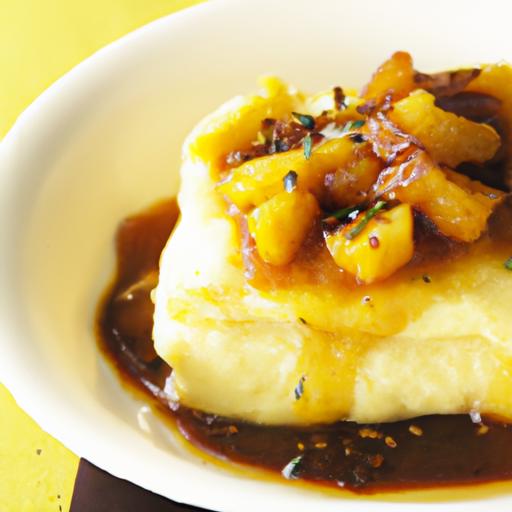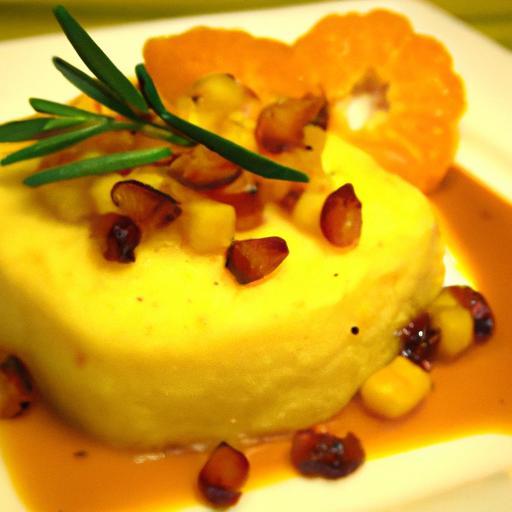
There’s something undeniably enchanting about the warm, sun-kissed hues of golden polenta, a dish that effortlessly bridges rustic tradition and refined comfort. More than just a humble porridge of ground cornmeal, baked polenta transforms into a luscious canvas-crisp at the edges, tender within-that invites endless culinary creativity. In “Golden Comfort: The Art and Science of Baked Polenta,” we delve into the timeless allure of this versatile dish, exploring the delicate balance between technique and ingredient, tradition and innovation. Join us as we uncover how the alchemy of heat and time unlocks polenta’s rich textures and flavors, and learn the secrets to mastering its perfect bake-where science meets soul in every golden bite.
Golden Comfort begins with more than just simple cornmeal-it’s a celebration of ancient grains transformed into a velvety,warm embrace on the plate. This humble Italian staple, cherished for centuries, promises a canvas where texture and flavor blend seamlessly, inviting both novice cooks and seasoned chefs to explore its nuanced varieties. Whether you choose coarse, medium, or fine polenta, understanding these differences unlocks a world of creamy indulgence and hearty satisfaction that elevates every baked bite.
Prep and cook Time
- Readiness: 10 minutes
- Cooking: 50 minutes
- Total Time: 1 hour
Yield
Serves 6 hearty portions
Difficulty Level
Medium – approachable for cooks with basic stovetop skills
Ingredients
- 1 cup medium-ground polenta (preferably stone-ground for the best texture)
- 4 cups vegetable broth, hot
- 2 tablespoons unsalted butter
- ½ cup freshly grated Parmesan cheese (or vegetarian hard cheese choice)
- Salt to taste
- Freshly ground black pepper, to taste
- 2 tablespoons extra virgin olive oil, plus more for drizzling
- 1 garlic clove, lightly crushed
- Fresh herbs (such as rosemary or thyme), optional for infusing the broth
Instructions
- infuse the broth: In a medium saucepan, combine the vegetable broth, olive oil, garlic, and fresh herbs. Bring it to a gentle simmer over medium heat to infuse aromatic notes.
- Remove aromatics: Before adding polenta, discard the garlic and herb sprigs, leaving a fragrant broth base.
- Gradually add polenta: Slowly whisk in the medium-ground polenta to the hot broth, stirring constantly to prevent lumps from forming and to ensure a smooth texture.
- Simmer gently: Reduce heat to low and continue stirring frequently as the polenta thickens-this process takes about 30 to 35 minutes. The key is patience; polenta should become creamy and tender, not gritty.
- Finish with butter and cheese: stir in the unsalted butter and Parmesan cheese until fully incorporated. Season with salt and black pepper to taste, tasting as you go to perfect seasoning.
- Prepare for baking: Lightly oil a baking dish and pour the creamy polenta evenly across the base. Smooth the top with a spatula for an even bake.
- Bake the polenta: Place the dish in a preheated oven at 375°F (190°C) for 15-20 minutes, or until the edges turn golden and the top forms a delicate crust.
- Cool and set: Allow the polenta to cool slightly before serving or slicing. This resting time helps the texture firm up just right without losing creaminess.
Tips for Success
- Selecting polenta varieties: coarser grinds result in a chewier bite, medium grinds balance creaminess and texture, and fine grinds yield an ultra-smooth finish.
- Broth matters: Using vegetable broth instead of water enhances depth and complexity; homemade broth adds an even richer flavor foundation.
- Stir often: Frequent stirring prevents the polenta from sticking and creates that signature silky consistency-don’t rush this step!
- Cheese alternatives: For a vegetarian option, substitute Parmesan with aged Pecorino Romano or a nutty vegan cheese.
- Make ahead: This dish can be prepared a day in advance. Reheat gently with a splash of broth or plant-based milk to revive creaminess.
- For extra richness: A swirl of mascarpone or a touch of cream stirred in just before baking elevates the luscious texture.
Serving Suggestions
Serve your golden-baked polenta as a comforting side or a main course centerpiece. Rich mushroom ragù, roasted seasonal vegetables, or a vibrant tomato and basil compote create sublime pairings.for garnish, fresh microgreens, a sprinkle of toasted pine nuts, or a drizzle of high-quality extra virgin olive oil add pops of color and flavor. A crisp green salad on the side balances the richness, crafting a well-rounded, satisfying meal perfect for cozy evenings and festive gatherings alike.
| Nutrient | Per Serving |
|---|---|
| Calories | 250 |
| Protein | 7g |
| Carbohydrates | 40g |
| Fat | 6g |
Explore more hearty grains with our Hearty Risotto Guide for pairing ideas that complement Golden Comfort perfectly.
For deeper insight on polenta’s origins and nutritional benefits, visit FAO’s report on cereal grains.

Q&A
Q&A: Golden Comfort – The Art and Science of Baked polenta
Q1: What makes baked polenta a unique dish in the realm of comfort food?
A1: Baked polenta stands out for its rich, golden texture that’s both creamy and slightly crispy on the edges. Unlike stovetop polenta, which remains soft and porridge-like, baking transforms it into a harmonious balance of velvety and crusty, offering a sensory experience that feels earthy, warm, and deeply satisfying.It’s the comforting marriage of science and tradition that elevates simple cornmeal into a golden masterpiece.
Q2: How does the chemistry of polenta change when baked versus boiled?
A2: When polenta is boiled, the heat gelatinizes the starches, giving it a smooth, creamy consistency.baking introduces dry heat, which evaporates moisture, firms up the structure, and creates a caramelized, slightly crispy crust. This process amplifies the natural sweetness of corn and adds depth through Maillard reactions, producing complex flavors and inviting textures within the same dish.
Q3: What is the ideal cornmeal for crafting the perfect baked polenta?
A3: Coarsely ground yellow cornmeal is the golden choice-this medium grind offers a rustic texture that both holds shape well when baked and retains a pleasant toothiness. Fine cornmeal can yield a creamier, but less structurally stable polenta, while very coarse grinds may result in an overly grainy feel. Selecting your cornmeal thoughtfully is the first brushstroke on the canvas of flawless baked polenta.
Q4: Can baked polenta be prepared as a savory or sweet dish?
A4: Absolutely! This versatile canvas flourishes both ways. For savory creations, herbs like rosemary, sage, and thyme, sharp cheeses, and roasted vegetables harmonize beautifully. On the sweeter side, a drizzle of honey, fresh berries, or a sprinkle of cinnamon can turn baked polenta into a comforting dessert that’s subtly sweet, nutty, and enchanting in aroma.
Q5: What techniques ensure that baked polenta is smooth and not grainy?
A5: Achieving a silky texture starts with slow, attentive stirring during the initial cooking to fully hydrate the cornmeal and break down lumps. Using a gentle low simmer allows gradual gelatinization. Incorporating ample liquid-whether stock or water-and finishing with butter or cream enriches the mouthfeel. Before baking, spreading the polenta evenly and smoothing the surface promotes consistent texture and uniform browning.
Q6: How can one enhance the flavor profile of baked polenta without overwhelming its natural corn essence?
A6: Elevating baked polenta is an art of subtle layering. Infusing the cooking liquid with aromatics like garlic, bay leaves, or fresh herbs imparts gentle complexity. Folding in aged hard cheeses-such as Parmigiano-Reggiano or Grana Padano-adds savory umami without stealing the spotlight. A final sprinkle of fresh herbs or a zest of citrus brightens the dish while preserving the sweet, golden purity of the corn.
Q7: Are there plant-based ingredients that pair exceptionally well with baked polenta?
A7: Yes! Roasted mushrooms,caramelized onions,grilled eggplant,and sautéed greens bring earthiness and texture that complement baked polenta’s mellow corn flavor. Nut-based pestos or drizzles of rich olive oil can add creaminess and vibrancy, while a sprinkle of toasted nuts or seeds offers delightful crunch and contrast.This makes baked polenta an inviting option for diverse dietary preferences.
Q8: What is the best way to store and reheat baked polenta without losing its charm?
A8: Once cooled, baked polenta can be sliced and stored in an airtight container in the refrigerator for up to 3 days. To revive its texture, reheat slices in a lightly oiled skillet over medium heat until warmed through and crisped on the edges. Alternatively, a quick bake or broil in the oven restores crustiness. Avoid microwaving when possible, as it can turn the polenta gummy and dull its golden allure.
Q9: In what ways does baked polenta reflect culinary traditions beyond Italy?
A9: While hailed in Italian cuisine, polenta’s roots extend through various cultures where ground corn is a staple.From Central European porridges to Southern African maize cakes, baked polenta embodies a global narrative of turning humble grains into soulful sustenance. Its adaptability and comforting texture resonate universally,proving that golden simplicity can transcend borders and satisfy hearts everywhere.
Q10: why should home cooks embrace baked polenta as a kitchen staple?
A10: Baked polenta embodies versatility, ease, and nourishing warmth. It’s a budget-pleasant base that molds to countless flavors and occasions-from weeknight dinners to elegant gatherings. Mastering this dish invites a deeper gratitude for transformations in cooking-how simple grains can be coaxed into golden comfort.In its glowing simplicity lies a culinary secret: beauty and science mingled on a humble baking sheet.
Future outlook
As the final moments of your polenta’s journey unfold-whether it emerges from the oven as a crisp-edged, golden slab or a silky, spoonable canvas-you’re reminded that this humble dish is much more than simple cornmeal and water. It is indeed a testament to the interplay of tradition and technique, where the warmth of ancient grains meets the precision of modern culinary science. In every bite, baked polenta offers a story of comfort crafted through patience and passion, inviting you to savor not just a meal, but a timeless art form that continues to evolve in kitchens around the world. So next time you slice into that sun-kissed square,remember: you’re tasting centuries of flavor,texture,and culture-baked to perfection.