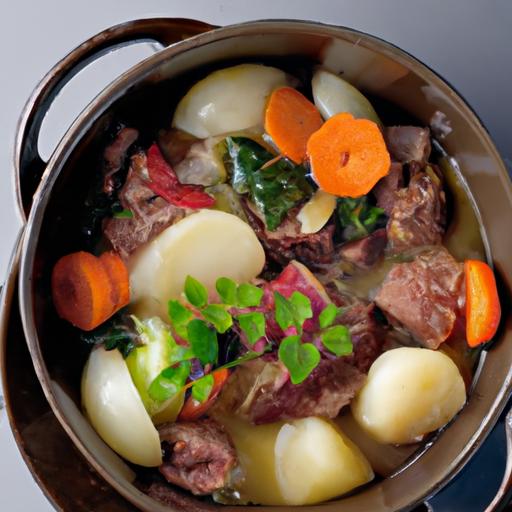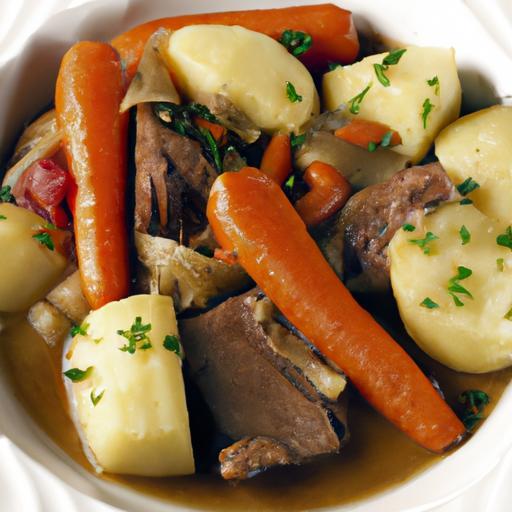
There’s a timeless comfort in the slow-simmered embrace of a pot-au-feu, a classic French stew that has warmed hearts and hearths for generations. In this rendition, the hearty richness of tender beef melds harmoniously with the earthy sweetness of rustic root vegetables, creating a dish that is both soul-satisfying and deeply nourishing. More then just a meal, this pot-au-feu invites you to slow down and savor the simple, bold flavors that emerge when humble ingredients are transformed through patient cooking. Join us as we explore the art and tradition behind this beloved dish, and discover how to bring a taste of countryside warmth into your own kitchen.
Hearty Beef Pot-au-Feu with Rustic Root Vegetables Delight
Hearty beef Pot-au-Feu with rustic Root Vegetables Delight is a soul-warming feast steeped in French tradition, offering a sublime marriage of tender beef and earthy vegetables simmered to perfection. This dish is a celebration of rustic simplicity and robust flavour, transforming humble ingredients into a comforting masterpiece that fills the kitchen with an irresistible aroma.
Prep and Cook Time
- Planning: 30 minutes
- Cooking: 3 hours 15 minutes (including slow simmering)
- Total Time: Approximately 3 hours 45 minutes
Yield
Serves: 6 generous portions
Difficulty Level
Medium – perfect for home cooks who enjoy slow cooking and masterful layering of flavors
Ingredients
- 2.5 lbs beef chuck roast,cut into large chunks
- 4 cups beef broth,low sodium
- 1 large onion,peeled and studded with 4 whole cloves
- 4 medium carrots,peeled and cut into thick chunks
- 3 medium parsnips,peeled and cut into large pieces
- 4 medium potatoes,peeled and halved
- 2 cups celery stalks,chopped
- 2 cloves garlic,smashed
- 2 bay leaves
- 1 tsp black peppercorns
- 2 tbsp extra virgin olive oil
- Salt to taste
- Fresh thyme sprigs (about 4)
- Fresh parsley,finely chopped for garnish
Instructions
- Prepare the beef: pat the beef chunks dry with paper towels to remove excess moisture-this is essential for achieving a beautiful,caramelized crust.
- Brown the beef: Heat the olive oil in a heavy-bottomed Dutch oven over medium-high heat. Add beef chunks in batches, ensuring not to overcrowd the pot. Sauté until each piece is deeply browned on all sides,about 5 minutes per batch. Transfer browned beef to a plate and set aside.
- Build the flavor base: In the same pot, add the studded onion and garlic.Sauté briefly until fragrant and golden, about 3 minutes. This transfers all those lovely caramelized bits into your broth.
- Add the broth and aromatics: Pour in the beef broth, scraping the bottom to release browned bits.Return the beef to the pot along with bay leaves, thyme sprigs, and peppercorns. Season lightly with salt, keeping in mind you can adjust later.
- Simmer gently: Bring the pot-au-feu to a low simmer, then cover and reduce heat to maintain a gentle bubble. allow it to cook undisturbed for 2 hours, checking occasionally to skim off any impurities with a spoon.
- Introduce rustic root vegetables: After 2 hours, nestle in the carrots, parsnips, celery, and potatoes around the beef. These hearty vegetables bring earthiness and balance, soaking in the rich flavors as they soften.
- continue slow simmering: Cover and simmer for another 1 to 1.5 hours until the meat is tender enough to pull apart with a fork and the vegetables are fork-tender.
- Adjust seasoning & final touches: Taste the broth and add more salt if necessary. Remove the bay leaves,thyme sprigs,and the studded onion before serving.
Chef’s Notes and Tips for Success
- Browning technique: drying the beef before searing and working in batches prevents steaming and ensures that deep, savory flavor.
- Vegetable choices: Classic pot-au-feu pairs well with robust root vegetables. Feel free to add turnips or celeriac for extra depth.
- Make ahead: Pot-au-feu tastes even better the next day onc the flavors fully meld. Simply refrigerate overnight and gently reheat.
- Broth clarity: For a clearer broth, strain the liquid through a fine sieve before serving or chilling.
- Substitutions: Use organic or grass-fed beef chuck for enhanced richness and ethical sourcing.
Serving Suggestions for a Cozy Comfort Meal
Serve this hearty pot-au-feu in deep bowls, ladling its steaming broth over piled beef and vegetables. Garnish with freshly chopped parsley to add a vibrant green contrast. Accompany with rustic crusty bread or mustard on the side to complement the dish’s bold flavors. For a tactile delight, serve alongside a crisp green salad tossed with a lemon vinaigrette to brighten the palate.

| Nutrient | Per Serving |
|---|---|
| Calories | 430 kcal |
| Protein | 38 g |
| Carbohydrates | 25 g |
| Fat | 15 g |
Want to explore more comforting recipes? Check our classic French comfort foods collection for inspiration. For detailed facts on slow cooking meat for optimum tenderness, visit Serious Eats Slow-Cooking Guide.
Q&A
Q&A: Exploring the Hearty Beef Pot-au-Feu with Rustic Root Vegetables Delight
Q1: What exactly is Pot-au-Feu,and why is it considered a classic dish?
A1: Pot-au-Feu is a traditional French stew that dates back centuries,known for its simplicity and soul-warming qualities. The name translates to “pot on the fire,” highlighting its origins as a slow-cooked one-pot meal meant to feed families with humble yet flavorful ingredients. It’s a culinary celebration of tender beef simmered gently with an assortment of rustic root vegetables, creating a richly aromatic broth that’s both nourishing and comforting.
Q2: What cuts of beef work best in Pot-au-feu, and why?
A2: Tougher, well-marbled cuts like chuck, brisket, or shin shine in Pot-au-feu because they break down beautifully during slow cooking. These cuts release deep, beefy flavors and melt into tender morsels that enrich the broth and invite diners to savor every bite. The slow simmer transforms collagen into luscious gelatin, giving the dish its signature silky texture.
Q3: Wich root vegetables are a must-have for this rustic delight?
A3: Classic root vegetables that bring earthiness and sweetness to Pot-au-Feu include carrots, parsnips, turnips, and celery root (celeriac). Their hearty textures hold up well during long cooking times,and their natural sugars gently infuse the broth,creating layers of complex flavor. Potatoes can also be added for a creamy contrast, but the true magic lies in these humble roots.
Q4: How can one maximize the depth of flavor in the broth without overpowering the natural ingredients?
A4: Building a deeply flavored broth starts with caramelizing the beef bones or meat surfaces before adding liquid,which imparts a rich,brown base. Adding aromatic herbs like thyme, bay leaves, and parsley, alongside whole peppercorns and a smidge of coarse salt, gently seasons the broth while allowing the true essence of beef and vegetables to shine through. Maintaining a low simmer ensures clarity and richness without bitterness.
Q5: What is the secret to perfectly tender beef and vegetables coexisting in the same pot?
A5: Timing is everything. The beef needs a lengthy, slow simmer to soften fully, often taking two to three hours. Root vegetables, though, should be added later in the cooking process, typically during the last 45 minutes to an hour, to avoid overcooking and losing their texture. This staggered approach ensures both components reach their peak tenderness without becoming mushy.
Q6: Can Pot-au-Feu be prepared ahead of time, and does it improve after resting?
A6: Absolutely! Pot-au-Feu often tastes even better the next day. Allowing it to rest in the refrigerator lets the flavors meld and deepen, while the gelatin in the broth solidifies slightly, making reheated portions wonderfully silky and rich. Simply reheat gently on the stove, and you’ll have a comforting feast ready at a moment’s notice.
Q7: What are some creative serving suggestions to elevate this rustic stew?
A7: Traditionally served with coarse sea salt and whole-grain mustard on the side, Pot-au-feu also pairs beautifully with crusty artisan bread to soak up the luscious broth. For an added touch, garnish with freshly chopped parsley or a drizzle of quality olive oil. Serving the broth and its components separately allows guests to savor each element individually or combine them as they please.
Q8: Is Pot-au-Feu adaptable for different dietary preferences?
A8: While the heart of Pot-au-Feu lies in its beef and root vegetables, the recipe can be tailored without compromising its soul. For those seeking a lighter version, substituting some beef with mushrooms adds umami depth.Alternatively, focusing on a robust vegetable broth with an array of hearty roots and legumes can create a vegetarian-friendly homage, though traditional richness will differ.
Q9: How does Pot-au-Feu reflect French culinary culture and tradition?
A9: Beyond being a dish, Pot-au-Feu embodies French values of simplicity, seasonality, and celebration of humble ingredients. It showcases the art of slow cooking, respect for quality produce, and communal dining. Often enjoyed during colder months, it warms not just the body but also the spirit, recalling gatherings around the hearth and the timeless joy of sharing food made with care.
Q10: What kitchen tools make preparing Pot-au-Feu easier and more enjoyable?
A10: A heavy-bottomed Dutch oven or a large, sturdy stockpot is essential to maintain even heat for the slow simmer.A fine-mesh skimmer helps remove impurities from the surface to keep the broth clear. Additionally, a sharp knife and a sturdy peeler make preparing root vegetables a breeze, while a good ladle ensures generous servings of broth and tender ingredients.
To Conclude
As the rich aroma of tender beef and earthy root vegetables lingers in the air, it’s clear that Pot-au-Feu is more than just a meal-it’s a timeless embrace of comfort and tradition.This hearty dish, with its layers of savory depth and rustic charm, invites you to slow down, savor each bite, and connect with a culinary heritage that celebrates both simplicity and soul. Whether shared around a bustling family table or enjoyed as a cozy solo indulgence, your pot of beef and vegetables promises warmth that nourishes body and spirit alike. So next time the chill sets in, let this classic French delight bring a touch of rustic elegance and hearty satisfaction to your kitchen.