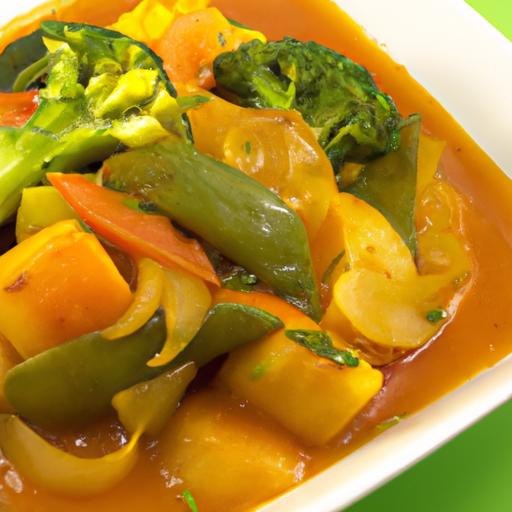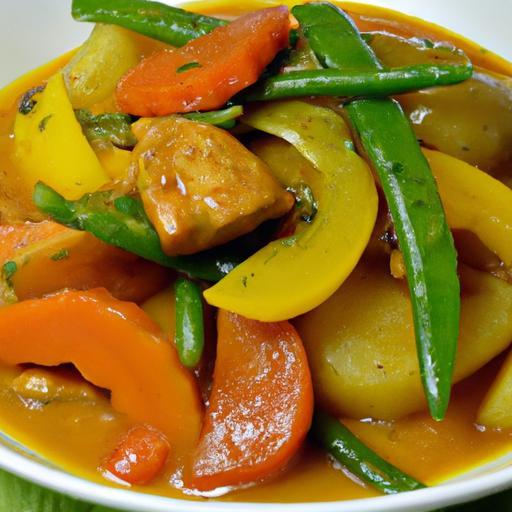
Beneath the swaying palms and vibrant sunsets of the Caribbean lies a culinary treasure waiting to be discovered: the Caribbean Vegetable Curry Delight. This dish is more than just a meal-itS a vibrant tapestry of tropical flavors, where locally harvested vegetables mingle with fragrant spices harvested from sun-drenched lands. In this article, we’ll embark on a flavorful journey to unveil the secrets behind this beloved Caribbean classic, exploring its rich history, unique ingredients, and the way it captures the essence of island life in every spoonful. Prepare to awaken your palate and savor the heart of the tropics, one bite at a time.
Tropical Flavors Unveiled: Caribbean Vegetable curry Delight
Tropical Flavors Unveiled: Caribbean Vegetable Curry Delight brings an explosion of colour, spice, and aroma that captures the heart of Caribbean cuisine. This vegetable curry is a celebration of the islands’ rich spice heritage, marrying fresh, authentic vegetables with a bold, soulful palette of spices that transport you straight to a sunny Caribbean kitchen. Drawing inspiration from the vibrant markets of Jamaica and Trinidad, this dish reflects tradition with a fresh twist – perfect for anyone eager to savor tropical warmth in every bite.
Prep and Cook Time
- Readiness: 20 minutes
- Cooking: 40 minutes
- Total: 1 hour
Yield
Serves 4 hearty portions
Difficulty Level
Medium – Perfect for home cooks ready to explore vibrant Caribbean spices and layered flavors.
Ingredients
- 2 tablespoons coconut oil
- 1 large onion, finely chopped
- 4 cloves garlic, minced
- 1 tablespoon fresh ginger, grated
- 2 Scotch bonnet peppers, seeded and finely chopped (adjust to heat preference)
- 2 teaspoons curry powder (preferably Caribbean blend)
- 1 teaspoon ground turmeric
- 1 teaspoon ground allspice
- 1 teaspoon smoked paprika
- 1/2 teaspoon cinnamon
- 2 medium sweet potatoes, peeled and diced into 1-inch cubes
- 2 medium carrots, sliced on the diagonal
- 1 medium red bell pepper, julienned
- 1 cup green beans, trimmed and halved
- 1 cup cauliflower florets
- 1 can (14 oz) coconut milk
- 1 cup vegetable broth
- 1 tablespoon tomato paste
- 1 teaspoon salt, or to taste
- Freshly ground black pepper to taste
- 1 tablespoon fresh lime juice
- A handful of fresh cilantro, chopped for garnish
Crafting the Perfect Caribbean Vegetable Curry Step by Step
- Heat the coconut oil in a large heavy-bottomed pot over medium heat untill shimmering.
- sauté the onions until soft and translucent,about 5 minutes,stirring occasionally to develop sweetness.
- Add garlic, ginger, and Scotch bonnet peppers, cooking for 2 minutes until fragrant but not browned, as this is the aromatic backbone of the dish.
- Sprinkle in the curry powder, turmeric, allspice, smoked paprika, and cinnamon. Stir continuously for 1-2 minutes, allowing the spices to bloom and infuse the oil.
- Incorporate the tomato paste and cook for another minute, intensifying the rich, tangy base.
- Add the diced sweet potatoes and carrots, tossing them in the spice mixture to coat evenly.
- Pour in the coconut milk and vegetable broth, stirring gently to combine. Bring the curry to a gentle simmer.
- Cover and cook on low heat for 15 minutes to partially soften the root vegetables.
- Add the green beans, red bell pepper, and cauliflower florets. Stir well, cover, and cook for another 10-12 minutes, or until all vegetables are tender but retain some bite.
- Season with salt, pepper, and fresh lime juice to brighten the flavors.
- Remove from heat and let rest for 5 minutes to allow all the spices to harmonize.
- Garnish generously with chopped fresh cilantro before serving.
Tips for Success
- Spice Balance: Scotch bonnet peppers carry intense heat; if unsure, start with half and adjust after tasting.
- Vegetable Selection: Choose firm, fresh vegetables at their peak-freshness substantially enhances the curry’s textural contrast and flavor depth.
- Make Ahead: The curry tastes even better the next day, giving spices more time to meld. Store in an airtight container and refrigerate up to 3 days.
- Substitutions: For variety, swap out cauliflower for broccoli or add chickpeas for protein and heartiness.
- Consistency: If your curry is too thick, add a splash of coconut milk or vegetable broth before serving.
Pairing Suggestions to Elevate Your Tropical Curry Experience
Complement the robust Tropical flavors Unveiled: Caribbean Vegetable Curry Delight with a fragrant, fluffy coconut rice or classic Caribbean rice and peas to soak up every drop of the luscious sauce. A simple side of fried plantains adds caramelized sweetness, perfectly balancing the spice heat.For an added fresh crunch, serve a crisp mango and avocado salad, drizzled with lime vinaigrette.
for drinks, an ice-cold ginger beer or a refreshing coconut water will evoke island vibes and soothe the palate.

| Nutrient | Per Serving |
|---|---|
| calories | 320 kcal |
| Protein | 6 g |
| Carbohydrates | 42 g |
| Fat | 15 g |
Explore more tropical delights and culinary inspirations in our Caribbean Flavor Essentials Guide. For an authoritative dive into Caribbean spices and their health benefits, visit NIH – Spices and their Bioactive Compounds.
Q&A
Q&A: Tropical Flavors Unveiled: Caribbean Vegetable Curry Delight
Q1: What makes Caribbean vegetable curry distinct from other curries around the world?
A1: Caribbean vegetable curry stands out through its vibrant fusion of tropical ingredients and bold spices. Unlike some curries that rely heavily on cream or yogurt, Caribbean versions frequently enough incorporate coconut milk for a creamy, subtly sweet base. The use of local produce such as pumpkin, okra, callaloo, and sweet potatoes adds unique textures and flavors, embodying the island’s rich agricultural heritage.
Q2: Which spices are essential in creating the authentic taste of Caribbean curry?
A2: The heart of Caribbean curry lies in its blend of spices. Key players include turmeric, cumin, coriander, and a touch of allspice. Scotch bonnet peppers bring the unmistakable fiery kick, while fresh garlic, ginger, and thyme enhance the aromatic complexity. The balance of these spices creates a lively, yet harmonious flavor profile that’s both comforting and exhilarating.
Q3: How can home cooks capture the vibrant colors typical of this dish?
A3: Color is crucial for an enticing Caribbean curry. Incorporating bright vegetables like carrots, bell peppers, tomatoes, and green beans enhances the visual appeal. Additionally, the natural golden hue of turmeric sings against this medley of vegetables. Cooking the curry just long enough to tenderize without overcooking ensures that these vibrant colors remain vivid on the plate.
Q4: What makes coconut milk a crucial ingredient in Caribbean vegetable curry?
A4: Coconut milk contributes creamy richness that balances the heat from the Scotch bonnet peppers and the sharpness of the spices. It also imparts a subtle, tropical sweetness that complements the earthy flavors of root vegetables. This ingredient not only enhances texture but also ties together the diverse components, making every bite lush and satisfying.
Q5: Can Caribbean vegetable curry be adapted for different dietary preferences?
A5: Absolutely! This dish is naturally vegan and gluten-free, making it accessible to many dietary lifestyles. Feel free to adjust the heat level by moderating the Scotch bonnet peppers or substitute with milder chili varieties. You can also experiment with different seasonal vegetables – from eggplant to zucchini – ensuring a flexible and welcoming recipe for all palates.
Q6: What conventional side dishes best accompany Caribbean vegetable curry?
A6: Caribbean cuisine offers several delightful companions to vegetable curry. Fluffy basmati or jasmine rice is a classic pairing, helping to soak up the flavorful sauce. For an extra touch, try festival (a lightly sweet fried dough), roti (a soft flatbread), or even fried plantains, which add a sweet contrast. These sides create a well-rounded, satisfying meal that celebrates Caribbean culinary artistry.
Q7: How does this curry reflect the cultural diversity of the Caribbean?
A7: Caribbean vegetable curry is a culinary tapestry woven from indigenous, African, Indian, and european influences. The use of curry itself traces back to Indian indentured laborers, while the tropical ingredients are native to the region. This dish exemplifies how diverse cultures have blended to create something uniquely Caribbean-a vibrant, soulful expression of island life on a plate.
Q8: Any tips for achieving the perfect texture and depth of flavor?
A8: Start by sautéing your base aromatics-onions, garlic, ginger, and thyme-slowly to build a flavor foundation. toasting your dry spices briefly before adding liquids can unlock their oils and intensify their aroma.Simmer your curry gently to allow the vegetables to absorb the coconut-rich sauce fully, but avoid overcooking to maintain texture. a splash of lime juice or a handful of fresh cilantro at the end brightens and balances the curry beautifully.
Concluding Remarks
As our culinary journey through the vibrant world of Caribbean vegetable curry comes to a close, it’s clear that this dish is more than just a meal-it’s a celebration of the islands’ rich heritage, bold spices, and bountiful harvests. Each spoonful offers a symphony of tropical flavors that awaken the senses and invite you to savor the essence of the Caribbean. Whether you’re a seasoned spice lover or a curious newcomer,the Caribbean vegetable curry delights with its harmonious blend of warmth and freshness,promising a taste experience that lingers long after the last bite.So, next time you crave an adventure on your plate, let this colorful curry transport you to sun-kissed shores and vibrant markets-where every flavor tells a story worth uncovering.