In teh ever-evolving world of baking, where tradition meets innovation, chickpea bread emerges as a delightful and nutritious twist on the classic loaf. Far beyond its humble origins as a simple legume, the chickpea offers a wealth of benefits that transform ordinary bread into a powerhouse of flavor and health. This article dives into the engaging journey of chickpea bread-from its nutritional virtues and unique texture to its culinary versatility-inviting you to rediscover your daily bread through a lens both wholesome and inventive. Whether you’re a seasoned baker or a curious foodie, prepare to elevate your loaf game with this vibrant alternative that’s as good for your body as it is indeed for your taste buds.
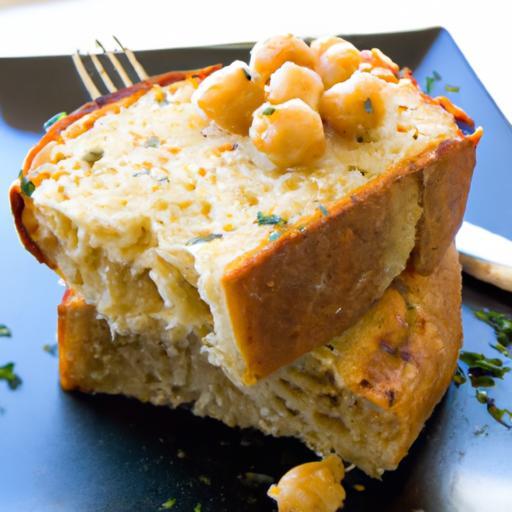
Chickpea bread is an remarkable way to elevate your baking with a nutritious twist that infuses every slice with hearty texture and a subtly nutty flavor. Harnessing the power of chickpea flour, this loaf offers a refreshingly rich alternative to conventional wheat breads – perfect for gluten-conscious foodies and anyone intrigued by ingredient innovation. Beyond its unique taste, the nutrient-packed profile of chickpea flour transforms your everyday bread into a protein-rich, fiber-loaded fuel source that supports sustained energy and digestive health.
Prep and Cook time
- Preparation: 15 minutes
- Proofing: 1 hour
- Baking: 30-35 minutes
- Total Time: Approximately 1 hour 50 minutes
Yield
Makes one standard 9×5-inch loaf (about 10 servings)
Difficulty Level
Easy to Medium – suitable for those agreeable with basic baking techniques
Ingredients
- 1 ½ cups chickpea flour, sifted
- 1 cup warm water (about 110°F/43°C)
- 2 tsp active dry yeast
- 1 tbsp olive oil
- 1 tbsp maple syrup or honey
- ½ tsp salt
- 1 tsp baking powder
- Optional: 1 tsp dried rosemary or thyme for herbal aroma
Instructions
- Activate the yeast: In a small bowl, combine the warm water, maple syrup, and active dry yeast. Stir gently and let it sit for 8-10 minutes until foamy and bubbly, signaling that the yeast is alive and ready.
- Mix dry ingredients: in a large mixing bowl, whisk together chickpea flour, salt, and baking powder. If using herbs, fold them in now for a fragrant depth.
- Combine wet and dry: Gradually pour the yeast mixture and olive oil into the dry ingredients. Stir continuously with a wooden spoon or spatula until you achieve a smooth, thick batter-like dough. It should be slightly sticky but cohesive.
- First rise: Cover the bowl with a damp cloth or plastic wrap and place in a warm, draft-free spot. Let the dough rise for about 1 hour, or until it has noticeably puffed up – this boosts fluffiness.
- Prepare for baking: Preheat your oven to 375°F (190°C). Lightly grease a 9×5-inch loaf pan with olive oil or line it with parchment paper to ensure effortless removal.
- Transfer and shape: Gently scrape the dough into the pan, smoothing the top with a spatula. It won’t rise dramatically once in the pan, but a gentle dome signals even baking.
- Bake to golden perfection: Place the loaf in the oven and bake for 30-35 minutes. Test doneness by inserting a toothpick in the center – it should emerge clean or with a few moist crumbs attached. The crust will have a warm golden hue and a firm texture.
- Cool completely: Remove the bread from the pan and transfer onto a wire rack.Allow it to cool fully before slicing to preserve the moist crumb and rich flavor.
Tips for Success
- For an extra moist loaf, add 1 tbsp of plain yogurt or unsweetened applesauce to the batter.
- Substitute olive oil with a mild avocado or grapeseed oil for a different flavor profile.
- Use warm water (not hot) when activating yeast to avoid killing the live cultures.
- If your dough feels too thick, gently stir in an additional tablespoon of water, but avoid overwatering.
- Store leftover bread wrapped at room temperature for 2 days or freeze sliced portions for up to a month.
- adding finely chopped olives or sun-dried tomatoes brings a savory punch to the basic recipe.
serving Suggestions
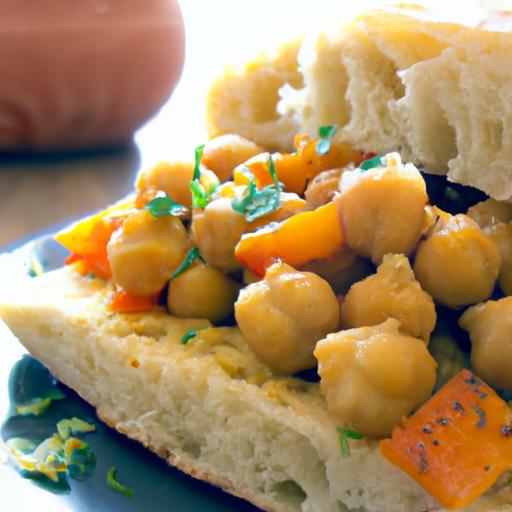
This chickpea bread shines in both simple and gourmet settings. Toast thick slices and slather with mashed avocado, a pinch of sea salt, and chili flakes for a hearty breakfast or snack. For lunch, use it as a robust base for open-faced sandwiches with roasted vegetables, hummus, and fresh herbs like basil or cilantro.
Consider cutting the bread into cubes and lightly toasting for crunchy croutons in vibrant mediterranean salads or hearty soups. A light brush of garlic-infused olive oil before toasting elevates its aroma and flavor.

| Nutrient | Per Slice (1/10 loaf) |
|---|---|
| Calories | 120 kcal |
| Protein | 5.2 g |
| Carbohydrates | 18 g |
| Fat | 3.8 g |
| Fiber | 3.5 g |
For more creative ways to incorporate this versatile bread into your meals, check out our creative Chickpea Flour Recipes. To deepen your understanding of chickpea flour’s nutritional benefits, visit Medical News Today.
Q&A
Q&A: chickpea Bread – A Nutritious Twist on Traditional Loaves
Q1: What makes chickpea bread different from traditional wheat bread?
A1: Chickpea bread swaps out or supplements wheat flour with chickpea flour,offering a unique flavor profile that’s nutty and slightly earthy. It’s denser, more protein-rich, and packed with fiber, making it a wholesome alternative to typical loaves.
Q2: Is chickpea bread gluten-free?
A2: It depends on the recipe. Pure chickpea flour is naturally gluten-free, but some chickpea bread recipes combine it with wheat flour for texture and rise. If you need a gluten-free option, look for recipes using 100% chickpea flour or certified gluten-free mixes.
Q3: How does using chickpeas affect the bread’s nutritional value?
A3: Chickpeas boost the bread’s nutrient profile substantially. They add plant-based protein, complex carbohydrates, fiber, and essential minerals like iron, magnesium, and folate. This combination supports sustained energy and digestive health.
Q4: Can chickpea bread be made at home easily?
A4: Absolutely! Chickpea bread can be made with basic ingredients: chickpea flour, water, yeast or baking powder, and seasoning. Because chickpea flour absorbs more moisture, it might require a slightly wetter dough and a bit of patience, but the process is straightforward and rewarding.
Q5: What are some creative ways to enjoy chickpea bread?
A5: Chickpea bread shines in savory sandwiches, as a base for open-faced toasts topped with avocado or roasted veggies, or simply dipped into flavorful oils and spreads like hummus or baba ganoush. Its hearty texture also makes it fantastic for absorbing stews and hearty soups.
Q6: Does chickpea bread have a different shelf life than regular bread?
A6: Chickpea bread may stay moist a bit longer due to its denser texture and fiber content. However, like most fresh breads, it’s best enjoyed within a few days. Storing it in an airtight container or freezing slices can definitely help maintain freshness.
Q7: Are there any unique challenges when baking with chickpea flour?
A7: Chickpea flour can bake into a denser loaf, so balancing it with other flours or raising agents is key to avoid a heavy texture. It also has a naturally stronger flavor that might take some getting used to, but this signature taste can add depth to your baking repertoire.
Q8: Is chickpea bread a good choice for vegetarians and vegans?
A8: Yes! Chickpea bread is inherently plant-based and fits perfectly into vegetarian and vegan diets. It’s a fantastic source of protein and fiber, providing energy and satisfaction without animal products.
Q9: Can chickpea bread help with blood sugar control?
A9: Due to its fiber and protein content, chickpea bread tends to have a lower glycemic index than some traditional breads. This means it releases energy more slowly, helping to maintain steadier blood sugar levels.
Q10: How can someone experiment with flavors in chickpea bread?
A10: Add herbs like rosemary, thyme, or oregano for an aromatic touch. Spices such as cumin or smoked paprika complement chickpeas beautifully. Even a handful of olives, sun-dried tomatoes, or seeds can elevate your loaf into a gourmet experience.
Future Outlook
In the ever-evolving world of baking, chickpea bread stands out as a delightful fusion of tradition and innovation. By weaving the humble chickpea into the fabric of classic loaves, we unlock a new chapter of nourishment and flavor-one that honors the past while embracing modern nutritional wisdom. Whether you’re a seasoned baker or a curious foodie, incorporating chickpea flour into your bread not only enriches your diet but also adds a unique, wholesome twist to your table.So next time you crave that comforting slice of bread, consider reaching for chickpea bread-a small change with big benefits, inviting you to taste health, history, and creativity all at once.