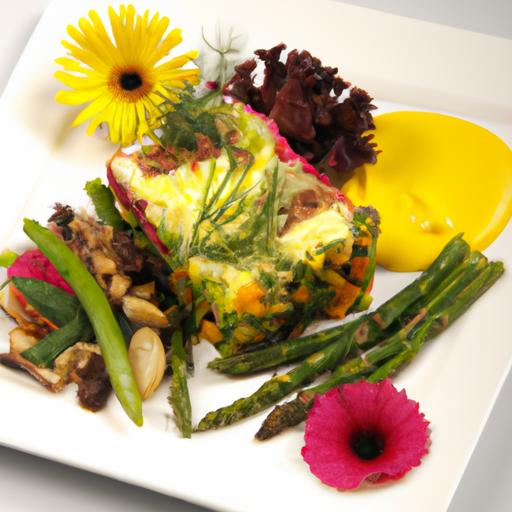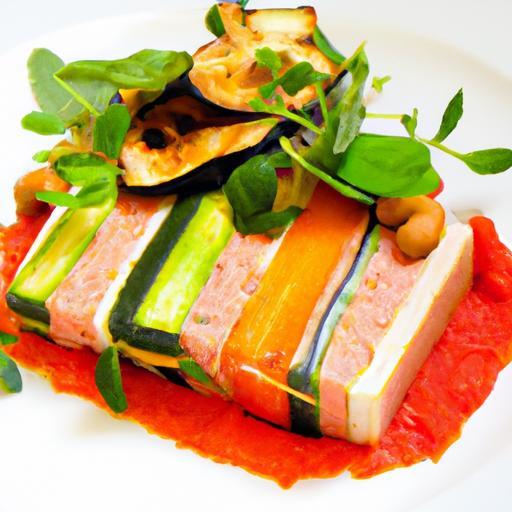
Imagine a dish that captures the very essence of a blooming garden-each layer bursting with vivid hues and fresh, crisp flavors. The colorful vegetable terrine is just that: a culinary masterpiece that transforms humble vegetables into an elegant mosaic of taste and texture. More than a feast for the eyes, this vibrant creation invites us to explore the harmonious interplay of nature’s bounty, carefully layered and chilled into a stunning edible work of art. In this article, we’ll delve into the origins, techniques, and inspirations behind the colorful vegetable terrine, revealing how it brings a touch of verdant beauty to any table.
The Art of Layering Flavors and Textures in a Colorful Vegetable Terrine
colorful Vegetable Terrine is a celebration of both flavor and artistry, transforming vibrant, fresh seasonal vegetables into a harmonious mosaic that’s as pleasing to the eye as it is to the palate. Originating from the classic French tradition of terrines, this dish invites you to carefully select, cook, and layer each vegetable, creating contrasts of texture and taste that unfold with every slice.
Choosing the Most Vibrant and Seasonal Vegetables for Maximum Impact
Start by sourcing vegetables that not only boast vivid hues but also complement one another in texture and flavor. Think ruby-red roasted red peppers, velvety purple eggplants, crisp green asparagus, brightly colored yellow zucchini, and tender orange carrots. each vegetable should be cooked just to the point of tenderness-retaining structure so the terrine slices cleanly and each bite retains a pleasant bite.Seasonal freshness amplifies both flavor and visual appeal, so visit your local farmers’ market or garden for peak picks.
Mastering the Technique of Setting and Slicing for Picture-Perfect Presentation
Once vegetables are prepared, the key to a stunning Colorful Vegetable Terrine lies in layering with precision. press each layer firmly-even slight gaps will cause the terrine to crumble upon slicing. Mold the terrine in a loaf pan lined with parchment for easy removal.Weight the top with a heavy object to compact the terrine tightly while it chills for at least 6 hours, preferably overnight.
For slicing, use a very sharp, serrated knife warmed in hot water, wiping clean between cuts. This maintains crisp edges and vibrant layers, ensuring each slice reveals a flawless “garden” of colors and textures.Serve cold or at room temperature to allow the flavors to bloom fully.
Pairing Colorful Vegetable Terrine with Complementary Sauces and Side Dishes
To enhance your terrine’s complexity, consider pairing it with a tangy herb-infused vinaigrette or a smooth garlic aioli. Acidic notes from a simple balsamic reduction or a shining chimichurri cut through the richness, while fresh herbs like dill, basil, or tarragon add aromatic layers. For sides, opt for crusty artisan bread or a crisp mixed green salad dressed lightly to balance the multi-textured terrine.
Discover more complementary dishes in our Seasonal vegetable Salads Recipe Collection for an inspired summer meal.
Prep and Cook time
- Planning: 30 minutes
- Cooking: 40 minutes
- Chilling: 6-8 hours (overnight preferred)
Yield
Serves 6 elegantly sliced portions
Difficulty Level
Medium – Requires attention to layering and chilling, but no advanced cooking skills needed
Ingredients
- 1 large eggplant, sliced lengthwise into 1/4 inch strips
- 2 red bell peppers, roasted, peeled, and sliced into strips
- 1 bunch asparagus, trimmed and blanched
- 2 medium yellow zucchinis, thinly sliced
- 3 medium carrots, peeled and blanched
- 1 cup ricotta cheese (optional, for creaminess)
- 2 tbsp olive oil
- 1 garlic clove, minced
- Salt and freshly ground black pepper, to taste
- Fresh herbs (tarragon, basil, or dill), finely chopped
- Juice of 1 lemon
- Parchment paper, for lining the mold
Instructions
- Prepare the vegetables: Preheat oven to 400°F (200°C).Drizzle eggplant slices with olive oil, season with salt and pepper, and roast for 20 minutes until lightly golden. Roast the bell peppers whole until the skins blacken; place them in a covered bowl to steam, then peel and slice. Blanch carrots and asparagus in salted boiling water for 2-3 minutes; immediately plunge into ice water to retain color and texture.
- Mix the ricotta (optional): In a bowl, combine ricotta with minced garlic, chopped herbs, lemon juice, salt, and pepper. set aside.
- Line the loaf pan: Use parchment paper to create a sling for easy removal. Brush the paper lightly with olive oil.
- Layer the terrine: Begin with a layer of eggplant strips, pressing firmly.Spread a thin layer of ricotta mixture if using. Follow with a colorful layer of bell peppers, carrots, zucchini, and asparagus. Repeat layers, pressing down after each to compact. Ensure you finish with a smooth, attractive vegetable layer.
- Weight and chill: Place a piece of parchment on top and press with an offset spatula. Cover with plastic wrap and place a heavy object (such as a filled can or small cast-iron skillet) on top.Refrigerate for at least 6 hours or overnight to set firmly.
- Slicing and serving: Remove terrine from mold by pulling the parchment sling. Use a serrated knife warmed under hot water for clean cuts. Slice into 1-inch thick slices and serve with your chosen sauces and garnishes.
Tips for Success
- Firm but tender vegetables ensure perfect slices; avoid overcooking.
- Use fresh seasonal vegetables for the brightest flavors and colors.
- Chilling overnight helps flavors meld and the terrine to set fully.
- If you prefer a vegan version,substitute ricotta with blended silken tofu or cashew cream.
- For a refined touch, layer thin sheets of herb gelée between vegetables.
Serving Suggestions
Plate each slice on a simple white platter to showcase the vibrant layers. Drizzle with a bright basil vinaigrette or a roasted red pepper coulis.Garnish with microgreens, edible flowers, or a light drizzle of aged balsamic vinegar. Accompany with toasted baguette slices or a crisp arugula salad dressed with lemon and olive oil to complete this elegant, fresh meal.
| Nutritional Info (per serving) | Calories | Protein | Carbs | Fat |
|---|---|---|---|---|
| Colorful Vegetable Terrine | 180 kcal | 6 g | 20 g | 8 g |

Explore additional vibrant recipes in our Vegetarian Dinners collection or deepen your culinary knowledge with expert vegetable preparation tips from Bon Appétit.
Q&A
Q&A: Colorful Vegetable Terrine - A Vibrant Garden on a Plate
Q: What exactly is a vegetable terrine?
A: Imagine a mosaic of garden-fresh vegetables, carefully layered and set into a stunning, sliceable masterpiece-that’s a vegetable terrine. It’s a French-inspired dish where vibrant veggies are arranged and chilled until firm, creating a gorgeous edible ”painting” that’s as pleasing to the eye as it is indeed to the palate.
Q: Why call it a “vibrant garden on a plate”?
A: As each slice unveils a spectrum of colors and textures, reminiscent of a flourishing garden in full bloom. From deep purple beets to bright orange carrots and vivid green spinach, the terrine captures nature’s palette, making the dish both a feast for the senses and a celebration of seasonal vegetables.
Q: What vegetables work best in this terrine?
A: The secret lies in diversity and contrast! Firm vegetables like zucchini, bell peppers, carrots, and beets hold their shape beautifully. Leafy greens such as spinach or kale add lush layers, while roasted vegetables bring depth of flavor. The key is balancing colors and textures so every bite tells a story.
Q: How is a vegetable terrine prepared? Does it require special cooking skills?
A: While it may look elaborate,making a vegetable terrine is all about patience and precision rather than complexity. Vegetables are typically blanched or roasted, then layered in a loaf pan or mold. they’re often bound with a light gelatin or thickened vegetable purée to set firmly. With a little planning and care, home cooks of all levels can create this garden-inspired gem.
Q: Can a vegetable terrine be served warm?
A: Traditionally, terrines are served chilled or at room temperature, which allows the flavors to meld and the layers to slice cleanly. Serving it cold also enhances its refreshing, crisp character-perfect for summer dinners, elegant brunches, or vibrant picnic spreads.
Q: Is it a healthy dish?
A: Absolutely! This terrine is packed with vitamins, fiber, and antioxidants. It’s a celebration of plant-based eating, low in fat and calories, yet rich in wholesome goodness. Plus,it’s versatile-easy to adapt for vegan or gluten-free diets.
Q: How can this dish be presented for maximum wow factor?
A: Presentation is where the terrine truly shines. Slice it into neat, colorful layers and arrange on a simple white platter to let the colors pop.Garnish with fresh herbs, edible flowers, or a drizzle of vinaigrette. Each slice looks like a vibrant garden ready to be savored-pure edible art!
Q: Any tips for beginners thinking of making their first vegetable terrine?
A: Start simple! Choose two or three vibrant vegetables,take your time layering them evenly,and use a reliable mold. Chill it well-patience here is a virtue. And most importantly, have fun experimenting with colors and flavors. Your terrine is your canvas, and every creation will be uniquely delicious.
Colorful vegetable terrines turn humble produce into a captivating culinary portrait-a dish that brings joy, health, and beauty to every table. ready to craft your own slice of garden magic?
To Wrap It Up
In the world of culinary artistry, the colorful vegetable terrine stands out as a vibrant celebration of nature’s bounty-each layer a testament to the garden’s rich palette and the chef’s careful hand. Beyond its striking appearance,this dish invites us to savor the fresh,nuanced flavors of seasonal produce,harmoniously woven together. Whether served as a centerpiece for a festive gathering or a light, elegant starter, the terrine offers a feast not just for the palate but for the eyes and soul alike.Embracing this edible mosaic encourages us to appreciate the simple beauty of vegetables transformed with creativity, reminding us that the most dazzling gardens can indeed flourish on a plate.