In the vibrant world of culinary reinvention, little surprises can transform familiar flavors into exciting new experiences. Enter cauliflower tabbouleh-a fresh twist on a beloved Middle Eastern classic that reimagines the customary bulgur with the crisp, nutritious bite of cauliflower. This innovative salad not only caters to modern dietary preferences but also invites food enthusiasts to explore a garden-fresh version of tabbouleh’s zesty, herby charm. Join us as we uncover how cauliflower tabbouleh blends tradition with innovation, delivering a refreshing dish that’s as wholesome as it is indeed irresistible.
Exploring the Origins and evolution of traditional Tabbouleh
Discover Cauliflower Tabbouleh brings a refreshing twist to the ancient Levantine salad that has charmed palates for centuries. Traditionally, tabbouleh hails from Lebanon and Syria, celebrated for it’s herbaceous blend of parsley, mint, ripe tomatoes, and bulgur wheat soaked in lemon juice and olive oil. This iconic dish embodies balance-radiant, fresh, and vibrantly green-perfect as a salad or mezze accompaniment.
Tabbouleh’s evolution tells a story of cultural confluence, adapting over generations as tastes shifted and dietary needs changed. While bulgur wheat traditionally defines tabbouleh, innovations like switching to cauliflower offer an exciting, gluten-free approach that honors the salad’s spirit while embracing modern nutrition trends.
Why Cauliflower Makes the Perfect Gluten-Free Substitute
Cauliflower is a remarkable ingredient that effortlessly mimics bulgur’s texture when pulsed finely, creating a light and grain-like base for this salad. Besides its naturally neutral flavor, cauliflower lends a pleasant crunch and lends itself to absorbing the zesty lemon and rich olive oil dressing beautifully. Its low-carb profile and abundant vitamins make it an excellent choice for anyone seeking healthier alternatives or gluten-free dishes without sacrificing the cherished textures and vibrant colors that define tabbouleh.
Prep and Cook Time
- Readiness: 15 minutes
- Cooking: 5 minutes (optional blanching)
- Total Time: 20 minutes
Yield
Serves 4 as a side dish or light starter
Difficulty Level
Easy – No cooking skills required, ideal for any home cook
Ingredients
- 1 medium head of cauliflower (about 4 cups finely pulsed)
- 1 large bunch of fresh flat-leaf parsley, finely chopped (about 2 cups packed)
- 1/2 cup fresh mint leaves, finely chopped
- 2 medium ripe tomatoes, diced into small cubes
- 3 scallions, thinly sliced (white and green parts)
- 1/4 cup freshly squeezed lemon juice (about 2 lemons)
- 1/3 cup extra-virgin olive oil
- Salt to taste (start with 1 tsp)
- Freshly ground black pepper to taste
- Optional: 1 small cucumber, finely diced (adds refreshing crunch)
Step-by-Step Guide to Crafting Your Own Cauliflower Tabbouleh
- prepare the cauliflower “bulgur”: Rinse and dry the cauliflower head. Break it into florets, then pulse in a food processor in 2-second bursts until the texture resembles couscous or fine grains. Be careful not to over-process into a puree.
- (Optional) to soften, lightly steam or blanch the cauliflower grains for 2-3 minutes. Drain well and cool fully before assembling – this step is optional but mellows the raw bite and enhances tenderness.
- Chop the herbs and vegetables: Finely chop the flat-leaf parsley and mint leaves. Dice tomatoes and scallions. If using cucumber, dice finely as well. Keeping uniform, small pieces creates that classic tabbouleh texture.
- Combine the base ingredients: In a large mixing bowl, toss the cauliflower grains with parsley, mint, tomatoes, scallions, and cucumber (if using). Mix gently to distribute evenly.
- Whisk the dressing: In a small bowl, combine lemon juice, olive oil, salt, and black pepper. Whisk vigorously until emulsified and bright.
- Dress the salad: Pour the dressing over the cauliflower mixture. Toss gently but thoroughly, making sure every grain and herb is lightly coated.
- Adjust seasoning: Taste and add more salt, lemon juice, or olive oil as needed. The flavor should be vibrant and balanced between tartness, herbaceous notes, and silky olive oil.
- Rest before serving: Let the salad rest for at least 10 minutes at room temperature to allow flavors to meld and cauliflower to soften. serve fresh and chilled, garnished as desired.
Tips and Tricks for Enhancing Flavor and Texture in Every Bite
- Chop herbs finely: The magic of tabbouleh lies in the bright herbs. Using a sharp knife or food processor pulse to a uniform, delicate mince for the ultimate freshness.
- Use freshly squeezed lemon juice: Bottled lemon juice lacks brightness and acidity. Fresh juice makes all the difference.
- Don’t oversaturate cauliflower: If steaming, drain well and gently squeeze any excess water out with a kitchen towel to prevent sogginess.
- Customize with color: Add diced red bell peppers or radishes for color contrast and crunch.
- Make ahead tip: This salad tastes better after resting for a few hours but should be stored covered in the fridge and consumed within 24 hours.
- Serve with pita chips or as a vibrant side to grilled meats or falafel for a complete Mediterranean-inspired meal.
serving Suggestions
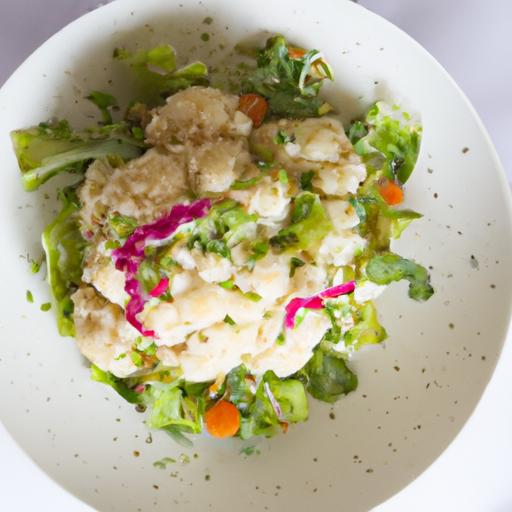
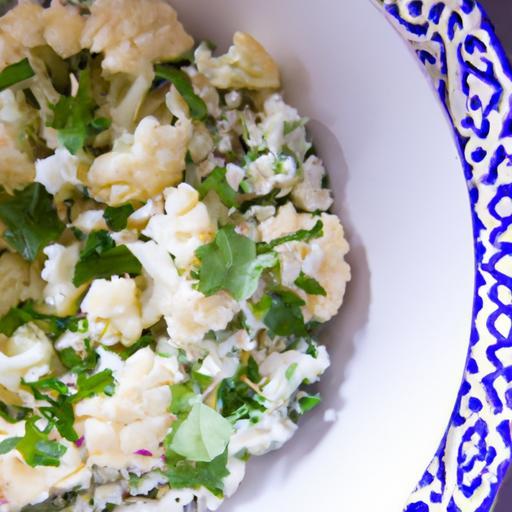
for a visually stunning and authentic presentation, serve your cauliflower tabbouleh mounded in a shallow bowl or on a crisp bed of romaine or butter lettuce leaves. Garnish liberally with sprigs of fresh mint and parsley, a few thin lemon wedges, and a drizzle of extra virgin olive oil.
Pair with warm flatbreads or crisp pita chips for scooping.It also shines alongside grilled chicken, roasted vegetables, or atop a plant-based bowl for vibrant color and refreshing contrast.

| Nutrient | Per Serving |
|---|---|
| Calories | 120 kcal |
| Protein | 4 g |
| Carbohydrates | 12 g |
| Fat | 7 g (mostly from olive oil) |
Looking for more gluten-free side dish ideas? Explore our Mediterranean gluten-free recipes to keep your menu vibrant and wholesome.
Q&A
Q&A: Discover Cauliflower Tabbouleh - A Fresh Twist on Tradition
Q1: What exactly is cauliflower tabbouleh?
A1: Cauliflower tabbouleh is a vibrant, grain-free spin on the classic Middle eastern salad. Rather of traditional bulgur wheat, finely chopped or pulsed cauliflower takes center stage, delivering a light, crunchy texture that pairs beautifully with fresh herbs and zesty lemon.
Q2: Why substitute bulgur with cauliflower?
A2: Cauliflower offers a low-carb, gluten-free choice to bulgur, making tabbouleh accessible for those with dietary restrictions or looking to reduce their grain intake. It also adds a subtle nuttiness and crispness without overpowering the salad’s bright flavors.
Q3: How do you prepare cauliflower to mimic the texture of bulgur?
A3: Simply pulse raw cauliflower florets in a food processor until they reach a couscous-like consistency. Be careful not to over-process-they should be fine but still retain a slight bite to keep that signature tabbouleh texture.
Q4: What herbs are essential for authentic tabbouleh flavor?
A4: Parsley is the star herb in tabbouleh, bringing a fresh, peppery pop. Mint adds a cool brightness, while a hint of green onions or scallions can boost the flavor complexity. Together, they make the salad feel lively and refreshing.
Q5: Can cauliflower tabbouleh be served warm, or is it only a cold salad?
A5: Traditionally, tabbouleh is served chilled or at room temperature to highlight its refreshing qualities. While you can serve cauliflower tabbouleh slightly warmed, it’s best enjoyed cool to keep the herbs crisp and the lemony brightness intact.
Q6: What are some creative ways to enjoy cauliflower tabbouleh?
A6: Use it as a vibrant side dish alongside grilled vegetables or chickpea stew, stuff it into pita pockets for a light lunch, or spoon it over roasted eggplant as a colorful topping.Its versatility means you can bring a fresh twist to many meals.
Q7: Are there any special tips for balancing the flavors in cauliflower tabbouleh?
A7: Absolutely! The key is to balance acidity, herbs, and seasoning.Freshly squeezed lemon juice brightens the dish, quality extra virgin olive oil adds richness, and a good pinch of salt elevates all the flavors. Taste as you go to find your perfect harmony.
Q8: Is cauliflower tabbouleh a nutritious option?
A8: Indeed! packed with fiber, vitamins C and K from cauliflower and herbs, plus heart-healthy fats from olive oil, this salad offers a nourishing boost with every bite-without weighing you down.
Embrace tradition with a modern,wholesome twist-cauliflower tabbouleh invites you to savor freshness in each forkful!
The Conclusion
Whether you’re seeking a light side dish or a vibrant centerpiece,cauliflower tabbouleh offers a refreshing twist that honors tradition while embracing innovation. This versatile salad not only packs a nutrient-rich punch but also invites you to savor familiar flavors in a new, healthful way. So next time you crave something bright and wholesome, let cauliflower tabbouleh inspire your kitchen adventures and redefine what simplicity and freshness can mean on your plate.