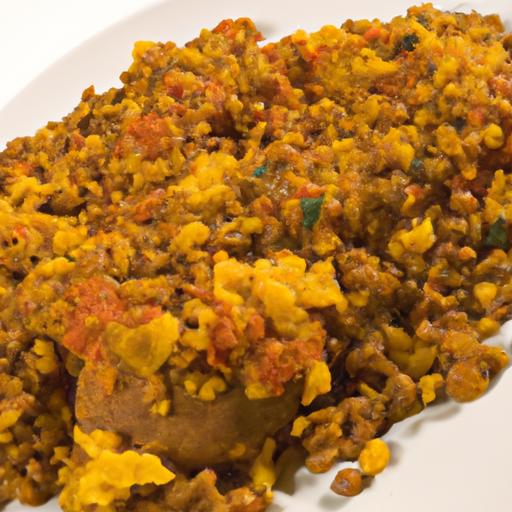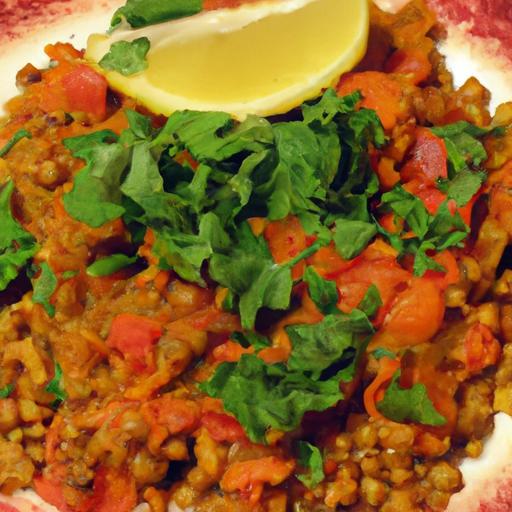
Nestled at the heart of Ethiopia’s vibrant culinary tapestry is Misir Wot-a dish that transforms humble red lentils into a fiery feast of flavour and tradition. This beloved stew, rich with aromatic spices and simmered to perfection, offers more than just nourishment; it tells a story of heritage, resilience, and communal party. from the first tantalizing bite, Misir Wot envelops the senses in a warm embrace of heat and earthiness, inviting both locals and adventurous food lovers alike to experiance a cornerstone of Ethiopian cuisine that’s as comforting as it is captivating. Join us as we explore the origins, ingredients, and cultural importance behind this red lentil marvel, and discover why Misir Wot continues to ignite taste buds around the world.
Ethiopian Misir Wot is a vibrant and soul-warming stew that perfectly captures the essence of Ethiopian cuisine. This fiery red lentil delight boasts centuries of cultural heritage, marrying bold spices and humble ingredients into a dish that transcends mere nutrition-it’s a celebration of communal dining, ritual, and resilience. Whether shared during joyful holidays or as an everyday comfort food, misir wot embodies warmth, depth, and a fiery passion that invites every cook to master its craft.
Origins and Cultural Significance of Ethiopian Misir Wot
Rooted deeply in the Ethiopian Orthodox tradition, misir wot is more than just a red lentil stew. It is indeed a centerpiece at festive gatherings, frequently enough enjoyed on fasting days when meat is avoided, highlighting the ingenuity of plant-based Ethiopian cuisine. Its signature heat comes from berbere, a spice blend that reflects Ethiopia’s rich trade history and regional diversity. The labor of slow-cooking lentils with clarified butter and aromatic spices honors the art of patience-a virtue ingrained in Ethiopian cooking. Inviting and hearty, this dish nourishes both body and community, frequently enough served over injera, the customary spongy flatbread used as both plate and utensil.
Prep and Cook Time
- readiness: 15 minutes
- Cooking: 40 minutes
- Total Time: 55 minutes
Yield
- Serves 4-6 peopel as a main or side dish
Difficulty Level
- Medium – Requires attention to layering flavors and spice balancing
Ingredients
- 1 cup red lentils,rinsed thoroughly
- 3 tablespoons niter kibbeh (Ethiopian spiced clarified butter) or unsalted butter
- 1 large yellow onion,finely chopped
- 3 cloves garlic,minced
- 1 tablespoon fresh ginger,grated
- 2 tablespoons berbere spice blend (see below for making your own)
- 1 ½ cups vegetable broth or water
- Salt,to taste
- Fresh lemon juice,a squeeze (optional,for brightness)
- Chopped fresh cilantro or parsley,for garnish
Mastering the Art of crafting the Perfect Berbere Spice Blend
Berbere is the fiery soul of misir wot,a complex and fragrant blend that transforms simple lentils into an unforgettable feast. To craft your own, combine equal parts of dried chili flakes, paprika, ground fenugreek, ground coriander, ground ginger, allspice, cinnamon, and cardamom. toasting whole dried chilies and seeds before grinding intensifies the flavors, lending smoky depth. This aromatic spice blend can be made in advance and stored in an airtight jar for weeks, ensuring every bite bursts with authentic Ethiopian heat and warmth.
Step-by-Step Guide to preparing Silky Red Lentils for Maximum Flavor
- Rinse the red lentils under cold water until water runs clear, removing any debris. Drain well.
- In a heavy-bottomed pot, melt niter kibbeh over medium heat until shimmering.
- Add the finely chopped onions and sauté gently, stirring frequently, until soft and golden brown, about 10-12 minutes. This slow caramelization builds the stew’s rich base.
- Stir in the minced garlic and grated ginger, cooking for 1-2 minutes until fragrant but not burnt.
- Sprinkle in the berbere spice and toast briefly, about 30 seconds, releasing its essential oils. Be careful not to burn the spices.
- Add the rinsed lentils and stir to coat them thoroughly in the spiced onion mixture.
- Pour in the vegetable broth and bring to a gentle boil.
- Reduce heat to low, cover partially, and simmer for 30-35 minutes until lentils are tender and the stew is thickened, stirring occasionally to prevent sticking.
- Season with salt to taste and finish with a squeeze of fresh lemon juice to brighten the flavors.
Chef’s Notes – Tips for Success
- Use fresh spices: Freshly ground spices maximize flavor, especially the cumin and cardamom in berbere.
- Onion caramelization: Patience here pays off – skip quickly sautéing and misir wot can turn out flat.
- Lentil consistency: for a creamier texture, mash a few lentils gently at the end of cooking.
- Make it vegan: Substitute niter kibbeh with quality olive oil or coconut oil, though niter adds signature aroma.
- Advance prep: Misir wot flavors deepen beautifully overnight, making it perfect for make-ahead meals.
Serving Suggestions and Pairings to Elevate Your Ethiopian Misir Wot Experience
This majestic stew is traditionally served atop feathery, sour injera, which acts as both plate and utensil. The soft, porous injera soaks up every drop of the spicy sauce, delivering a tactile eating experience like no other. For a balanced meal,accompany with a fresh salad such as gomen (collard greens) or crisp tomato salad sprinkled with fragrant berbere dust. garnishing with chopped fresh cilantro or parsley brightens the richness, while a dollop of plain yogurt or a squeeze of lemon juice adds cooling contrast. For a festive touch, serve with an assortment of Ethiopian vegetable stews to create a vibrant, colorful spread.
| Nutrient | Per Serving (approx.) |
|---|---|
| Calories | 280 kcal |
| Protein | 14 g |
| Carbohydrates | 40 g |
| Fat | 8 g |

Q&A
Q&A: Ethiopian Misir Wot: A Fiery Feast of Red Lentil Delight
Q1: What exactly is Misir Wot?
A1: Misir Wot is a quintessential Ethiopian stew made from red lentils simmered in a rich, spicy blend of berbere spice mix, onions, garlic, and ginger. It’s a vibrant, hearty dish that delivers a fiery, comforting punch with every bite, often enjoyed as part of a communal meal.
Q2: What makes Misir Wot stand out among other lentil dishes?
A2: What sets Misir Wot apart is its deep, complex layering of flavors driven by berbere-a robust Ethiopian spice mix that includes chili peppers, coriander, fenugreek, and other aromatic spices. The slow-cooked onions and the slight nuttiness of red lentils create a luscious texture and bold taste that’s uniquely Ethiopian.
Q3: How spicy is Misir Wot, and can the heat level be adjusted?
A3: Misir Wot is traditionally quite spicy, thanks to the berbere spice, which has a warming heat reminiscent of smoked paprika combined with chili peppers. However, the heat level can definitely be adjusted by varying the amount of berbere used or balancing it with additional tomatoes or mild spices. It’s a dish that welcomes personal preferences!
Q4: Is Misir Wot suitable for vegetarians and vegans?
A4: Absolutely! Misir Wot is inherently plant-based and free from animal products, making it perfect for vegetarians and vegans.Its rich flavors and hearty texture prove that plant-powered dishes can be just as satisfying and complex as any meat-based stew.
Q5: How is Misir Wot traditionally served?
A5: Misir Wot is typically served on a large platter layered with injera, Ethiopia’s signature sourdough flatbread made from teff flour.Diners use pieces of injera to scoop up the lentil stew,creating a appetizing combination of soft,spongy bread and fiery lentil goodness in every mouthful.
Q6: Can I make Misir Wot at home,and what are the key ingredients I need?
A6: Yes,Misir Wot can be lovingly recreated in your own kitchen! The essentials include red lentils,onions,garlic,ginger,berbere spice blend,tomato paste,and oil (traditionally niter kibbeh,a spiced clarified butter,but vegetable oil works well too). Patience is key as slow cooking softens the lentils and develops deep flavor.
Q7: What nutritional benefits does Misir Wot offer?
A7: Misir Wot is a nutritional powerhouse! Red lentils are rich in protein, fiber, iron, and essential minerals, supporting digestion and sustained energy. The spices not only add flavor but also contain anti-inflammatory and antioxidant properties, making Misir Wot both tasty and nourishing.
Q8: Are there any traditional customs around eating Misir wot?
A8: Eating Misir Wot is often a communal experience deeply rooted in Ethiopian culture. Traditionally, diners gather around a shared platter, breaking off pieces of injera to scoop up different stews, fostering a sense of connection and hospitality. It’s more than food-it’s a celebration of togetherness.
Q9: How does Misir Wot reflect Ethiopian culinary heritage?
A9: Misir Wot embodies the vibrant spice heritage and resourceful vegetarian cuisine of Ethiopia. Its reliance on legumes, indigenous grains, and the unique berbere blend showcases the country’s agricultural bounty and passion for bold flavors. It’s a fiery feast that tells the story of Ethiopian identity one fragrant spoonful at a time.
Q10: Can Misir Wot be enjoyed as a main dish or a side?
A10: Versatile and hearty, misir Wot shines as both a main dish for a satisfying meal or as a flavorful side alongside other Ethiopian dishes in a larger spread.Its rich texture and robust taste complement milder dishes and balance the overall harmony of an Ethiopian feast.
Concluding Remarks
As the rich, smoky aroma of Ethiopian Misir Wot lingers in the air, it invites you not just to taste a dish, but to experience centuries of culture, tradition, and fiery passion in every spoonful. This humble red lentil stew, vibrant with berbere spices and simmered to perfection, is more than just a meal-it’s a celebration of flavors that tells a story of Ethiopian heritage and communal warmth. Whether served alongside injera or enjoyed as a hearty solo delight, Misir Wot promises to ignite your palate and leave you craving its soulful spice long after the last bite. So next time you seek a comforting yet adventurous dish, let Misir Wot guide you on a culinary journey to the heart of Ethiopia’s kitchen.