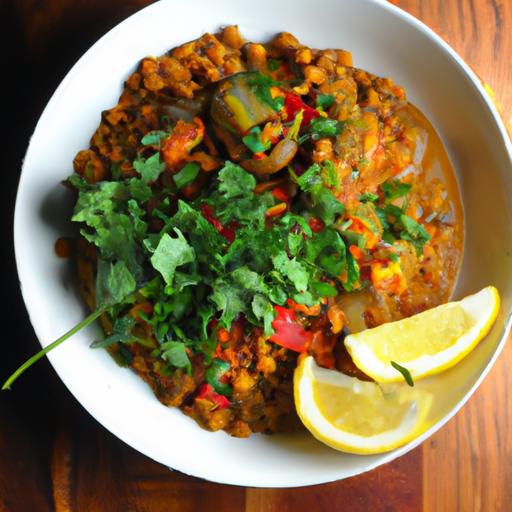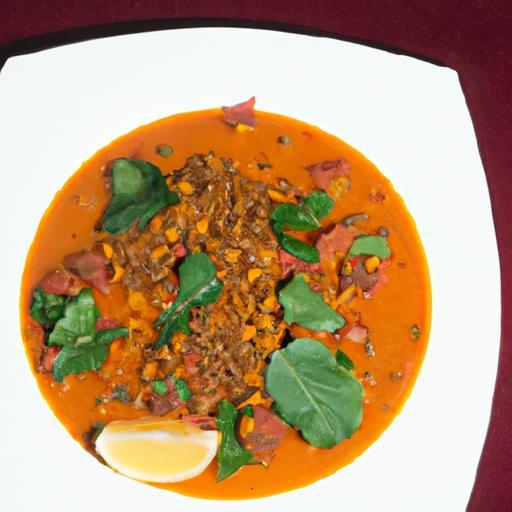
In the heart of Ethiopia’s vibrant culinary tapestry lies a dish that ignites the senses and tells a story steeped in tradition: Misir Wot. This fiery red lentil stew, rich with the smoky warmth of berbere spice and simmered to perfection, is more than just a meal-it’s an invitation to embark on a flavorful journey through Ethiopia’s kitchens and culture. With each spoonful, Misir Wot reveals layers of history, community, and the artistry of spice blending that have defined Ethiopian cooking for centuries.Join us as we dive into the origins, preparation, and irresistible allure of this beloved stew, uncovering why Misir Wot has become a cornerstone of Ethiopian cuisine and a favorite for adventurous palates worldwide.
Ethiopian Misir Wot is a festivity of bold flavors and the unmistakable warmth of berbere spice, an intricate blend that forms the heart of this beloved red lentil stew. Originating from the highlands of Ethiopia, this dish has been a staple of communal feasts and everyday meals alike, enchanting palates with its smoky heat and aromatic complexity. Preparing Misir Wot invites you into a culinary tradition where each step is a ritual-sautéing onions to caramelized perfection,coaxing depth from clarified butter,and coaxing the fiery spirit of berbere to life. This dish dose more than feed; it tells a story of culture and connection, perfect for anyone eager to explore Ethiopian cuisine through a fiery yet soul-soothing lens.
Prep and Cook Time
- Prep Time: 15 minutes
- Cook Time: 40 minutes
- Total Time: 55 minutes
Yield
- Serves 4-6
Difficulty Level
- Medium
Ingredients
- 1 cup red lentils,rinsed thoroughly
- 4 cups water or vegetable broth
- 2 large yellow onions,finely chopped
- 3 tablespoons niter kibbeh (Ethiopian spiced clarified butter) or unsalted butter
- 3 tablespoons berbere spice blend
- 2 teaspoons minced garlic (about 2 cloves)
- 1 teaspoon freshly grated ginger
- 1 tablespoon tomato paste
- Salt to taste
- Freshly ground black pepper to taste
- 1 tablespoon lemon juice (optional for brightness)
- Chopped fresh cilantro or parsley for garnish
Instructions
- Prepare the base: In a large heavy-bottomed pot,melt the niter kibbeh over medium heat. Add the finely chopped onions and a pinch of salt to draw out moisture. Sauté slowly, stirring often, until the onions turn deep golden brown and softened-about 15 minutes. this gradual caramelization builds the stew’s signature depth of flavor.
- Add aromatics: Stir in the minced garlic and grated ginger. Cook for 2 minutes until fragrant, making sure not to let the garlic burn. Then, mix in the berbere spice blend and tomato paste. Toast the spices for another 2-3 minutes, stirring constantly, which awakens thier complex aromas and intensifies their flavor.
- Simmer the lentils: Add the rinsed red lentils and water or vegetable broth, raising the heat to bring everything to a gentle boil. Reduce the heat to low and cover the pot partially, letting the stew simmer with the lid slightly ajar for about 25 minutes. Stir occasionally to prevent sticking and to check liquid levels.
- Check for doneness and seasoning: The lentils should be tender and the stew thick but still luscious. If it becomes too thick, add a splash of water or broth. Season with salt, pepper, and lemon juice to taste, balancing the fiery warmth with a hint of acidity and brightness.
- Final touches: Remove from heat and let rest for 5 minutes before serving. This allows the flavors to meld beautifully, creating a harmonious, intense experience with every bite.
Chef’s Notes and Tips for Success
- Choosing lentils: Red lentils cook quickly and break down easily, ideal for a creamy texture. Avoid rinsing too aggressively to preserve some starch, which helps thicken the stew naturally.
- Onion patience: The slow caramelization of onions is non-negotiable. Resist the urge to rush this step with high heat – it’s what defines the base’s complexity.
- Berbere variations: Every household has its own blend. Start with 2 tablespoons if you prefer milder heat and adjust to taste on subsequent preparations. Homemade blends from reputable sources like [Serious Eats’ guide to berbere](https://www.seriouseats.com/berbere-spice-blend) provide vibrant, fresh flavors.
- Butter swap: For a vegan option,use a robust vegetable oil or vegan butter option instead of niter kibbeh.
- Make-ahead: misir Wot flavors deepen overnight-prepare a day ahead for an even more luscious stew. Reheat gently, adding a splash of water if needed.
Serving Suggestions to Elevate Your Ethiopian Feast
present this magnetic Ethiopian red lentil stew in a communal style on a large platter lined with warm injera, the traditional sourdough flatbread with its spongy texture perfect for soaking up every sumptuous bite. Garnish generously with freshly chopped cilantro or parsley for a pop of green and freshness. A side of sautéed collard greens, called gomen, or a tangy cabbage salad known as timatim, will balance the stew’s bold heat.For an extra touch of warmth, serve alongside a dollop of fresh yogurt or a mild avocado salad to soothe the palate.

| Nutrient | Per Serving |
|---|---|
| Calories | 280 kcal |
| Protein | 14 g |
| Carbohydrates | 35 g |
| Fat | 9 g |
For a deeper dive into Ethiopian cuisine foundations, explore our Complete Guide to Ethiopian Cooking Essentials. Embrace the adventure of flavors and textures that Ethiopian misir Wot offers-it’s more than a meal; it’s a journey.
Q&A
Q&A: Ethiopian Misir Wot: A Fiery Journey into Red Lentil Stew
Q1: What exactly is Misir Wot?
A1: Misir Wot is a traditional Ethiopian stew made primarily from red lentils simmered in a richly spiced, deeply flavorful berbere sauce. It’s a staple comfort food in Ethiopian cuisine, celebrated for its warming heat and vibrant aromas that awaken the senses.
Q2: What role does berbere spice blend play in Misir Wot?
A2: berbere is the fiery heart of misir Wot. This complex Ethiopian spice blend typically includes chili peppers, garlic, ginger, coriander, fenugreek, and a host of other spices.It delivers a layered heat that’s both spicy and smoky, creating a bold foundation that transforms simple lentils into a dish bursting with intensity and warmth.
Q3: How is Misir Wot traditionally prepared?
A3: The preparation begins with slow-cooking finely chopped onions without oil, allowing their sweetness to develop. Then, a generous amount of berbere spice is added along with minced garlic and ginger, creating a fragrant paste. Red lentils are stirred in and simmered gently until tender, absorbing the spice-rich broth and thickening into a hearty, stew-like consistency.Q4: What makes red lentils the perfect choice for this dish?
A4: Red lentils cook quickly, softening into a creamy texture that naturally thickens the stew without losing their shape entirely. Their mild flavor acts like a sponge, soaking up the potent spice blend while providing protein and fiber, making Misir Wot both nourishing and satisfying.
Q5: Is Misir wot vegan or vegetarian-friendly?
A5: Absolutely! Misir Wot is traditionally vegan, relying solely on plant-based ingredients like lentils, onions, garlic, ginger, and spices. This makes it an excellent, hearty option for vegetarians and vegans craving rich, savory comfort food.
Q6: What dishes or sides are typically served with Misir Wot?
A6: Misir Wot is most commonly served atop injera, a tangy, spongy Ethiopian flatbread made from teff flour. Injera acts as both a plate and utensil, used to scoop up the stew. The stew can also be accompanied by an array of vegetable side dishes, providing a colorful and textural contrast.
Q7: Can the heat level of Misir Wot be adjusted for different palates?
A7: Definitely! While traditional misir Wot carries a considerable kick from berbere, you can tailor the spice level by adjusting the amount of berbere used or balancing it with a touch of mild tomato paste. This way, each cook can find their perfect fiery-or gently warm-balance.
Q8: What cultural importance does Misir Wot hold in Ethiopian cuisine?
A8: Misir Wot is more than a dish-it’s a celebration of Ethiopian heritage and communal eating. Frequently enough served during holidays, family gatherings, and special occasions, it reflects the country’s rich spice traditions and reverence for wholesome, plant-based meals. Sharing misir Wot around a communal injera is an expression of hospitality and togetherness.
Q9: Are there any tips for someone trying to make Misir Wot at home for the first time?
A9: Take your time caramelizing the onions-they’re the foundation of the stew’s depth and sweetness. Use fresh berbere if possible for the most authentic flavor, and remember that the stew thickens as it simmers, so keep an eye on the liquid level. Pair it with injera or even hearty rice to catch every bit of that luscious sauce.
Q10: How does Misir Wot fit into modern cooking and global food trends?
A10: In an era embracing bold flavors and plant-forward eating, Misir Wot shines as a perfect example of a healthy, spicy stew that satisfies both vegan and flavor-loving crowds. Its use of spices and legumes aligns well with the global push towards more sustainable, nutrient-dense meals, making it a fiery-and fashionable-choice for adventurous home cooks worldwide.
Key Takeaways
as the rich aroma of berbere spices lingers in the air, Ethiopian Misir Wot invites us on a vibrant culinary journey-one that transcends the simple lentil stew to celebrate a heritage steeped in warmth, resilience, and flavor.Each spoonful tells a story of tradition, patience, and the fiery spirit of Ethiopian kitchens, where humble ingredients transform into a dish that nourishes both body and soul. Whether you’re a seasoned foodie or a curious palate, Misir Wot offers more than a meal-it offers an experience, a taste of Ethiopia’s heart that beckons you to savor every bold, spicy bite and share in a timeless cultural feast.