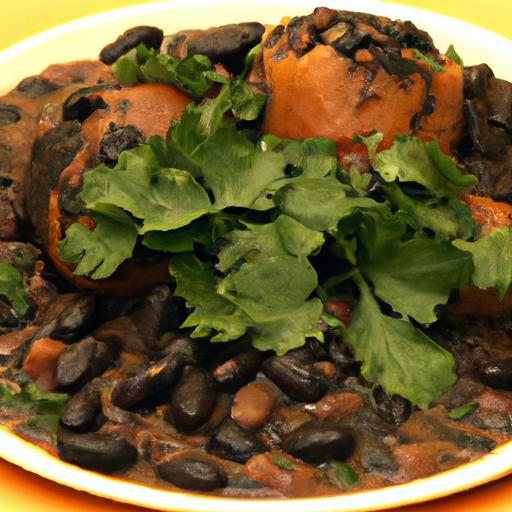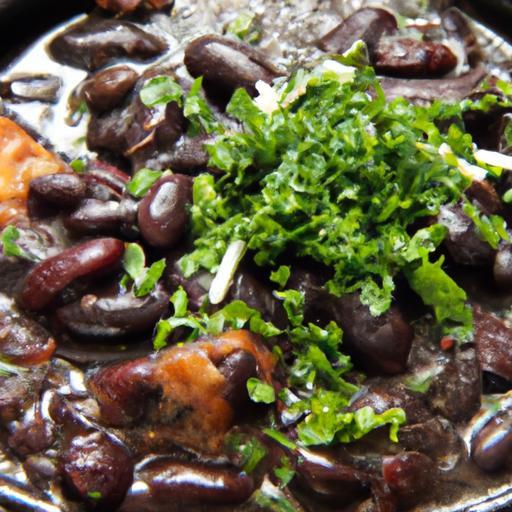
In the heart of Brazil’s vibrant culture simmers a dish as rich in history as it is in flavor-feijoada. This iconic black bean stew, brimming with tender meats and aromatic spices, is more than just a meal; it’s a celebration of community, heritage, and tradition. From bustling city kitchens to rustic countryside gatherings, feijoada weaves stories of colonial influence, African roots, and the joyful spirit of sharing around the table. Join us as we unveil the essence of Brazil’s beloved feijoada feast, exploring its origins, preparation, and the cultural heartbeat that makes every spoonful a taste of the nation’s soul.
Origins and Cultural Importance of Feijoada in Brazilian Heritage
Feijoada Feast is much more than Brazil’s beloved black bean stew; it embodies centuries of history, resilience, and community spirit. Rooted in Afro-Brazilian culture, this hearty dish originally emerged as a creative way to transform humble black beans and available local ingredients into a nourishing meal. While frequently enough linked to the blending of indigenous, African, and portuguese culinary traditions, feijoada has evolved into a symbol of national pride, enjoyed at weeklong festivals and family gatherings across Brazil’s diverse regions.
Legend has it that enslaved Africans, barred from dining on the main cuts of meat, crafted feijoada by stewing black beans with various leftover meats and roots. Today, though this stew avoids pork-based elements in our version, it remains a powerful reminder of storytelling through food and the resilience of cultural identity.
Key Ingredients and Traditional Cooking Techniques for Authentic Flavor
Feijoada feast depends on the deep flavors extracted through slow simmering and layering of ingredients. The star ingredient is always black beans,which provide a creamy,earthy base. Complementing these are a mix of aromatic vegetables, dried herbs, and bold spices that create an unmistakable umami profile.
- 4 cups dried black beans, soaked overnight for creamy tenderness
- 1 large onion, finely chopped for a savory foundation
- 4 cloves garlic, minced to infuse warmth
- 2 bay leaves for subtle herbal notes
- 1 tbsp smoked paprika adding richness without pork
- 1 tsp ground cumin for earthiness
- 2 medium carrots, diced to balance flavors and add texture
- 1 red bell pepper, chopped for sweetness and colour
- Fresh parsley and chopped green onions to finish your feast with vibrant freshness
- Vegetable broth (6 cups) to deepen the stew’s body
- Extra virgin olive oil, salt, and black pepper to taste
The authentic technique emphasizes patience: slow simmering and gradual incorporation of ingredients allows flavors to meld beautifully. Traditionally cooked in a clay pot over low heat, you can replicate this effect by using a heavy-bottomed Dutch oven. The beans must soften until luscious and velvety, absorbing every nuance of seasoning. Browning onions and garlic first ensures a fragrant base, and gently adding vegetables later prevents overcooking while layering complexity.
The Social Rituals and Festive Atmosphere Surrounding Feijoada Gatherings
Feijoada Feast is synonymous with celebration.In Brazil, it’s common to gather family, friends, and neighbors on leisurely Sundays, transforming the meal into a communal fiesta. Long lunch tables brim with colorful sides like farofa (toasted cassava flour), sliced oranges, and collard greens, each element offering a different texture or burst of flavor to accompany the stew.
The meal unfolds leisurely, often accompanied by traditional Brazilian rhythms and laughter echoing through open windows. This stew isn’t just food-it’s the heart of connection, where stories are exchanged, toasts are made with fresh fruit juices or guaraná, and every serving honors togetherness.
Expert Tips for Preparing and Serving Feijoada Like a Brazilian Chef
Mastering a perfect Feijoada Feast means embracing the stew’s natural pace and layers of flavor. Here are key chef insights:
- Soak your black beans for at least 8 hours or overnight. This ensures consistent cooking and a creamy texture.
- sauté aromatics slowly-don’t rush the onion and garlic; their caramelization deepens your stew’s flavor profile.
- Simmer gently on low heat for 2-3 hours, stirring occasionally, until beans are tender but intact.
- Use a heavy pot to distribute heat evenly and prevent scorching.
- Add fresh herbs at the very end of cooking to preserve their brightness and aroma.
- Balance acidity and seasoning-a squeeze of fresh lime and a pinch of salt just before serving can elevate the flavors beautifully.
- Reserve some cooking liquid to adjust stew consistency when plating.
For a smoky complexity without pork, experiment with smoked paprika and liquid smoke in moderation. You can also incorporate plant-based chorizo alternatives for added texture and boldness.
Feijoada Feast: Prep and Cook Time, Yield, and Difficulty Level
| Prep Time | Cook Time | total Time | Yield | Difficulty |
|---|---|---|---|---|
| 15 minutes + soaking overnight | 2 hours 30 minutes | 2 hours 45 minutes | 8 servings | Medium |
Ingredients
- 4 cups dried black beans, soaked overnight, rinsed
- 1 large yellow onion, finely chopped
- 4 garlic cloves, minced
- 2 medium carrots, diced
- 1 red bell pepper, chopped
- 2 bay leaves
- 1 tablespoon smoked paprika
- 1 teaspoon ground cumin
- 6 cups vegetable broth
- 3 tablespoons extra virgin olive oil
- Salt and freshly ground black pepper, to taste
- Fresh parsley, chopped for garnish
- Green onions, sliced for garnish
- Fresh lime wedges, for serving
Instructions
- Prepare the beans: Drain soaked black beans and rinse thoroughly. set aside.
- Heat olive oil in a Dutch oven over medium heat. Add chopped onions and sauté for 7 minutes until golden and fragrant.
- Add garlic and cook an additional 1-2 minutes, stirring constantly to prevent burning.
- Incorporate diced carrots and red bell pepper, cook for 5 minutes more until vegetables soften but retain slight firmness.
- Stir in smoked paprika, ground cumin, and bay leaves, allowing spices to bloom for 1 minute.
- Add black beans and vegetable broth; stir to combine. Bring mixture to a gentle boil.
- Reduce heat to low, cover partially with lid and simmer for 2 to 2 ½ hours.Stir occasionally to avoid sticking, adding extra broth or water if the stew thickens too much.
- Season with salt and black pepper to taste. Remove bay leaves.
- Let stew rest briefly with lid off for 10 minutes to thicken and develop flavor.
- Serve hot, garnished with fresh parsley, green onions, and lime wedges for that authentic Brazilian feast experience.
Chef’s Notes
- Make-ahead tip: Feijoada tastes even better the next day as flavors deepen-reheat gently on stove adding broth if needed.
- Vegetable broth selection: For richer flavor, opt for homemade or low-sodium versions to control saltiness.
- Meat-free variation: incorporate hearty vegetables like mushrooms or roasted squash for a richer texture without meat.
- adjust spices: Feel free to add a pinch of cayenne pepper for a subtle kick.
- Bean alternatives: If unavailable, black turtle beans are a great substitute.
Serving Suggestions
Present your Feijoada Feast with classic Brazilian accompaniments to enhance every bite:
- Steamed white rice – the perfect neutral base for hearty stew
- Farofa (toasted cassava flour) – adds a crunchy texture contrast
- Sautéed collard greens dressed with garlic and lime for vibrant color and freshness
- Orange slices - their citrus brightness balances the earthy richness
- Hot sauce or malagueta peppers on the side for spice lovers
serve in deep bowls to capture the robust broth, and encourage guests to build plates layered with rice, beans, greens, and farofa for a true taste of Brazilian conviviality.

Nutritional Information (Per Serving)
| Calories | Protein | Carbohydrates | Fat |
|---|---|---|---|
| 320 kcal | 18 g | 45 g | 6 g |
Delve deeper into Brazilian cuisine with our Brazilian Coconut Rice Recipe and explore the zestful world of Latin American flavors. For a cultural overview on feijoada’s roots, visit the Encyclopaedia Britannica’s Feijoada entry.
Q&A
Q&A: Feijoada Feast – Brazil’s Black Bean Stew Tradition Unveiled
Q1: What exactly is feijoada, and why is it so beloved in Brazil?
A1: Feijoada is a rich, hearty black bean stew that has grown into a symbol of Brazilian comfort food.Traditionally slow-cooked to develop deep flavors, this dish is loved for its ability to bring people together over communal meals, embodying a spirit of warmth, celebration, and cultural pride. It’s a culinary masterpiece that nourishes both body and soul.
Q2: Where did feijoada originate, and how did it evolve in Brazil?
A2: Feijoada’s roots trace back to a blend of indigenous, African, and Portuguese influences. While the core ingredient-black beans-was native to the Americas, the concept of a bean stew combined with various savory ingredients evolved in Brazil during colonial times. Over generations, it transformed into a national treasure, adapted with local vegetables, spices, and cooking techniques unique to Brazil’s diverse regions.
Q3: What are some defining ingredients of feijoada, besides black beans?
A3: Beyond black beans, feijoada prominently features an array of seasonal vegetables, aromatic herbs like bay leaves and garlic, and hearty plant-based proteins such as smoked mushrooms or vegetarian sausage alternatives. Root vegetables like sweet potatoes and manioc (cassava) often complement the dish, providing balance and earthy sweetness that pairs perfectly with the beans.
Q4: Is feijoada typically a spicy dish?
A4: Feijoada is more about deep, savory richness than intense heat. Its flavor profile balances smoky, earthy, and slightly sweet notes from the beans and seasonings.However, it’s often served with accompaniments like hot chili pepper sauces or fresh chopped chili on the side, so diners can spice their portions to taste without overpowering the stew’s natural harmony.
Q5: What traditional side dishes are served with feijoada to complete the feast?
A5: A true feijoada feast is incomplete without classic sides like fluffy white rice, which soaks up the stew’s luscious broth; collard greens sautéed with garlic for a crisp, vibrant contrast; and farofa, a toasted cassava flour mixture that adds crunch and a toasty aroma. Fresh orange slices are also common, cutting through the richness with a burst of citrus brightness.
Q6: When is feijoada typically enjoyed in Brazil?
A6: Feijoada is frequently enough a weekend or holiday staple-a dish meant to be savored slowly in good company. In many Brazilian households and restaurants, it’s served as a Saturday lunch, inviting families and friends to gather, relax, and celebrate the simple joys of shared food and storytelling.Q7: Can feijoada be adapted for vegetarian or vegan diets?
A7: absolutely! By focusing on plant-based proteins like mushrooms, tofu, or even textured vegetable protein, and enhancing the stew with robust spices and smoked flavorings from herbs or smoked paprika, feijoada can be a deeply satisfying vegan delight. The essence of feijoada lies in its richness and communal spirit,not the meat content,which makes it wonderfully adaptable.
Q8: Why does feijoada hold such a special place in Brazil’s cultural identity?
A8: Feijoada represents more than a meal-it’s a culinary canvas that tells stories of Brazil’s diverse heritage and resilience. It’s a dish born from fusion and innovation, reflecting the blending of cultures over centuries. sharing feijoada is a ritual of connection, rooted in history and joy, making it a flavorful expression of Brazilian unity and warmth.
Q9: How can someone outside brazil bring a taste of feijoada into their kitchen today?
A9: Start with high-quality black beans and a slow-cooking method to coax out their rich flavor. Use aromatic herbs and spices to build depth, and embrace seasonal vegetables for texture and variety. Don’t forget the traditional sides-collard greens, white rice, and farofa-inspired toasted flour mixtures-to create a rounded feijoada experience. Most importantly, gather your loved ones and enjoy the process, because feijoada is as much about connection as it is about cuisine.
to Conclude
As the rich aroma of simmering black beans fades and the last tender morsel of feijoada is savored, what remains is more than just a meal – it is a vibrant tapestry woven from Brazil’s diverse cultures, history, and communal spirit. This beloved stew, hearty and soulful, invites us not only to taste the flavors of Brazil but to understand the stories simmering within each pot. Whether enjoyed in the lively streets of Rio or at a family table far from home, feijoada continues to unite people across generations, reminding us that food is truly a celebration of heritage and togetherness. So next time you cradle a bowl of this savory delight, remember: you’re not just indulging in a dish-you’re participating in a timeless Brazilian feast that nourishes both body and soul.