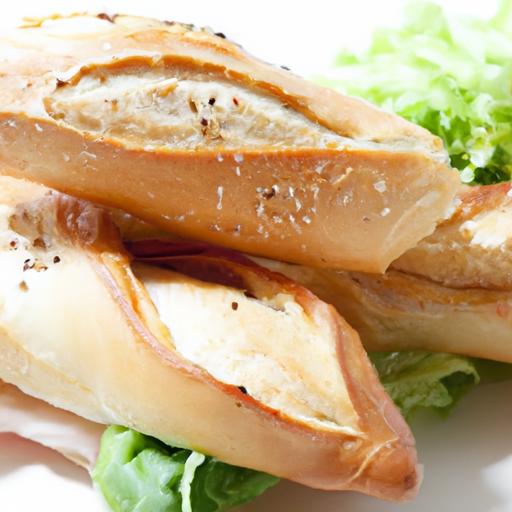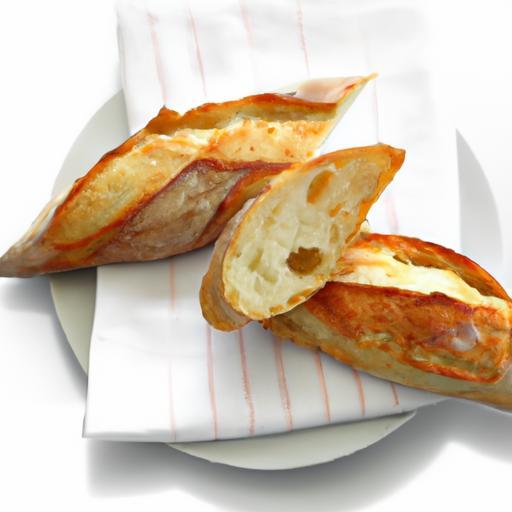
There’s something undeniably iconic about the French baguette-its golden crust, airy crumb, and unmistakable length that almost demands a leisurely stroll alongside it. but beyond its cultural charm and delicious crunch lies a practical question that often piques the curiosity of bakers, food enthusiasts, and curious minds alike: just how much does a 6-foot French baguette weigh in grams? Whether you’re planning a grand feast, comparing recipes, or simply fascinated by the art and science of bread-making, understanding the typical weight of this elongated marvel offers a engaging glimpse into the balance of ingredients, craftsmanship, and tradition that defines it. Let’s unwrap the numbers behind the baguette and discover what goes into those remarkable six feet of pure French delight.
How Much Does a 6-Foot French Baguette Weigh in Grams? This question frequently enough puzzles bread lovers and bakers alike, especially those fascinated by the elegant proportions and rustic charm of the iconic French baguette. understanding the typical weight of such a sizable artisan loaf not only satisfies curiosity but also helps with portion control, storage, and baking accuracy. Originating in paris during the early 20th century, the traditional baguette is celebrated for its crisp golden crust and airy, tender crumb-qualities that stem from precise ingredient ratios and baking techniques. A 6-foot baguette, an extraordinary extension of this classic, presents unique challenges and factors that influence its final weight, texture, and shelf life.
Prep and Cook Time
- preparation: 20 minutes
- First Rise: 1 hour 30 minutes
- Shaping & Final Proof: 45 minutes
- Baking: 25-30 minutes
- Total Time: Approximately 3 hours 15 minutes
Yield
Serves 8 to 10 people depending on serving size, or roughly 1.8 to 2 kg of fresh bread
difficulty Level
Medium – Ideal for bakers with some experience in dough handling and shaping
Ingredients
- 500 g bread flour,sifted
- 350 ml cool water
- 10 g fine sea salt
- 5 g active dry yeast
Instructions
- Activate the yeast: In a small bowl,dissolve the yeast in lukewarm water (approx.30°C). Let it sit for 5-7 minutes until frothy.
- Mix the dough: In a large mixing bowl, combine the bread flour and sea salt. Slowly pour in the activated yeast mixture and stir with a wooden spoon until a shaggy dough forms.
- Knead: Transfer dough to a lightly floured surface. Knead vigorously for about 10 minutes until smooth and elastic. You can also use a stand mixer with a dough hook on medium speed for 6-8 minutes.
- First rise: Form dough into a ball and place it in a clean, lightly oiled bowl. Cover with a damp cloth or plastic wrap. Let it rise at room temperature for approximately 1 hour 30 minutes, or until doubled in size.
- Shape the baguette: Gently deflate the dough and transfer it to a lightly floured work surface. Roll it out into a long, thin shape approximating 6 feet in length (you may need to work on a large table or floor). Taper the ends slightly for that classic baguette silhouette.
- Final proof: Transfer the shaped dough onto a floured couche or a long baking sheet lined with parchment paper. Cover lightly and let proof for 45 minutes until puffy but not over-expanded.
- Preheat oven: Set your oven to 240°C (460°F). Place a baking stone or heavy-duty baking sheet inside to heat. Position a small pan at the bottom for steam injection.
- Score and bake: Just before baking, use a sharp blade to score diagonal slashes along the length of the baguette. Quickly place the baguette on the preheated stone/sheet. Pour hot water into the steam pan to create a humid environment, producing a beautiful crust.
- Bake for 25-30 minutes: Rotate halfway through baking to ensure even color. The baguette’s crust should be deep golden brown and crackly. Internal temperature should reach approximately 98°C (208°F).
- Cool: Allow to cool completely on a wire rack before slicing, preserving the airy crumb and crust texture.
Chef’s Notes
- Variations: For added complexity, try substituting 50 g of bread flour with whole wheat or rye flour.
- Hydration Tips: maintain the dough’s hydration close to 70% for that classic open crumb texture true to French tradition.
- Handling Long Dough: For a 6-foot baguette,work gently but confidently to avoid tearing. Using a longer couche or doubling your baking sheets is helpful.
- Storage: Store wrapped loosely in a linen cloth at room temperature for up to two days. Avoid plastic wrap to keep the crust crisp.
- Make Ahead: Dough can be refrigerated overnight after the first rise for convenience and enhanced flavor.
Serving suggestions
Slice your classic French baguette into rustic, generous pieces and serve alongside olive oil infused with fresh rosemary, a bowl of herbaceous hummus, or a vibrant ratatouille. A light sprinkle of flaky sea salt and a touch of high-quality butter beautifully elevate each bite.present on a wooden board with fresh herbs or edible flowers to enhance the visual appeal and create an inviting bread basket for any gathering.

| Nutrient | Per 100g | Approximate Total (1800g loaf) |
|---|---|---|
| Calories | 270 kcal | 4,860 kcal |
| Protein | 9 g | 162 g |
| carbohydrates | 56 g | 1,008 g |
| Fat | 1 g | 18 g |
For more detailed bread baking techniques, check out our artisan French Bread Recipe. You can also explore the rich history of French breads through the Encyclopedia Britannica.
Q&A
Q: How much does a typical 6-foot French baguette weigh in grams?
A: A standard French baguette usually weighs around 250 to 300 grams for a typical 2-foot loaf. Scaling up to a 6-foot baguette-three times the length-means you can expect a weight roughly between 750 and 900 grams, depending on the dough density and hydration.
Q: What factors influence the weight of a 6-foot baguette?
A: The weight depends on several variables: the hydration level of the dough (how much water it contains), the type of flour used, and how tightly the dough is shaped. A wetter dough tends to be heavier, while a lighter, airier crumb can reduce overall weight.
Q: Is a 6-foot baguette practical to bake at home or in a bakery?
A: Baking a 6-foot baguette is definitely a challenge! Ordinary ovens and baguette pans are designed for standard sizes. Crafting a long loaf like this typically requires specialized equipment or creative folding techniques, and handling it without breaking can be tricky.
Q: How does a 6-foot baguette differ in texture compared to standard-sized baguettes?
A: when you stretch the length to six feet, the crust may develop more evenly if the oven heat distribution is ideal, but achieving the signature crust-to-crumb ratio becomes harder. The crumb might be less consistent in such an elongated loaf.
Q: Can the weight help determine the freshness or quality of a baguette?
A: While weight alone won’t tell you about freshness or taste, an unusually heavy or light baguette could hint at the dough’s hydration or ingredients. Traditional French baguettes aim for a balanced weight to size ratio that supports their iconic airy interior and crisp crust.Q: Is the weight of a 6-foot baguette measured before or after baking?
A: Usually, the weight is considered after baking, since water evaporates during the process, reducing the loaf’s weight. The raw dough will weigh more due to moisture content.
Q: Why might someone want to know the weight of a 6-foot baguette?
A: Knowing the weight can definitely help with nutritional calculations, recipe scaling for events, or ensuring proper portioning when planning a large meal or party featuring an impressive showpiece bread.
The Way Forward
in the world of bread, the humble French baguette stands tall-not just in length but in its cultural importance and culinary charm. Knowing that a 6-foot baguette typically weighs around 1,200 to 1,500 grams provides a fascinating perspective on this iconic loaf’s scale and substance.Whether you’re a baker aiming to perfect your recipe or simply curious about the weight behind this elongated delight, understanding its mass in grams adds a new layer to appreciating the craft. So next time you encounter a towering baguette, you’ll not only admire its impressive length but also its hefty, grain-filled story-measured meticulously in grams. Bon appétit and happy baking!