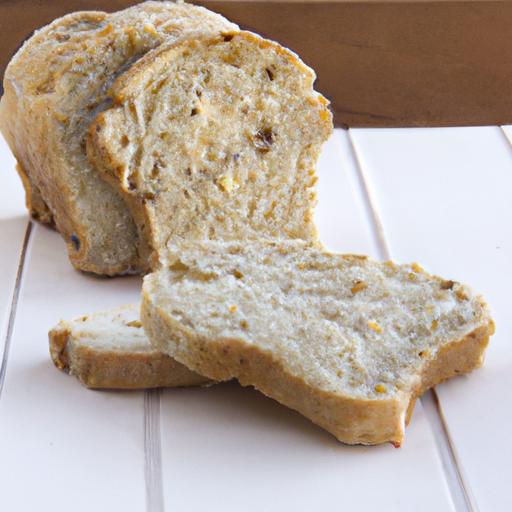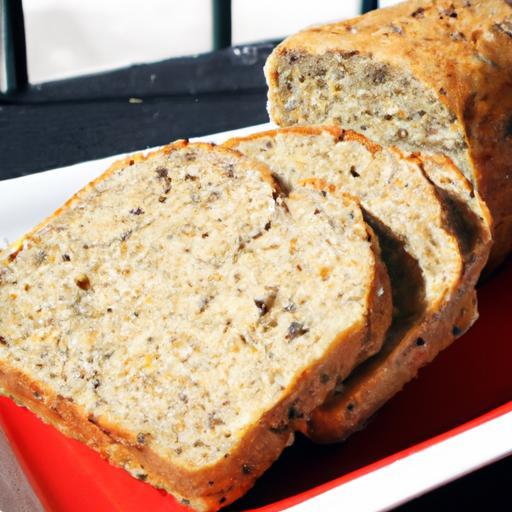
There’s something undeniably comforting about the warm aroma of freshly baked bread wafting through the kitchen,promising nourishment and satisfaction in every bite. Among the many varieties that line bakery shelves, hearty multigrain bread stands out-not just for its rustic charm, but for the rich tapestry of flavors and textures woven into each slice. Far beyond a simple staple, this wholesome bread embodies a festivity of grains, seeds, and ancient harvests, inviting us to savor a taste that’s as nutritious as it is indeed delicious. in this article, we delve into the wholesome taste of hearty multigrain bread, unveiling what makes it a beloved choice for both the health-conscious and the flavor seeker alike.
Discovering the nutritional powerhouse behind hearty multigrain bread unlocks a world where wholesome grains unite to create not just a loaf, but a vibrant canvas of texture, flavor, and nourishment. This delightful bread brings together the rustic charm of oats, millet, barley, and flax seeds, each grain contributing its unique health benefits and a distinctive nutty depth. Whether fresh from the oven or toasted to perfection, multigrain bread elevates any meal with its robust aroma and satisfying bite.
Prep and Cook Time
- Preparation Time: 20 minutes
- Proofing Time: 1 hour 30 minutes
- Baking Time: 40 minutes
- Total Time: 2 hours 30 minutes
Yield
One 1.5-pound loaf, approximately 12 slices
Difficulty Level
Medium - Suitable for bakers comfortable with yeast breads and eager to explore grains
Ingredients
- 1 cup warm water (110°F/43°C)
- 2 1/4 teaspoons active dry yeast (one packet)
- 2 tablespoons honey or maple syrup
- 1/4 cup rolled oats
- 1/4 cup millet
- 1/4 cup barley flakes
- 2 tablespoons flax seeds
- 1 1/2 cups whole wheat flour
- 1 1/2 cups bread flour
- 1 teaspoon fine sea salt
- 2 tablespoons olive oil
- Additional water as needed (up to 1/4 cup)
Instructions
- Activate the yeast: In a medium bowl, combine warm water, yeast, and honey. Stir gently and let it sit until foamy, about 5-7 minutes. This signals that your yeast is alive and ready.
- Toast the grains: In a dry skillet over medium heat, lightly toast oats, millet, barley flakes, and flax seeds for 3-5 minutes, stirring often until fragrant and slightly golden. Let cool.
- Mix dry ingredients: In a large mixing bowl, whisk together whole wheat flour, bread flour, salt, and toasted grains. This ensures even distribution of texture and flavor.
- Combine wet and dry: Pour the yeast mixture and olive oil into the dry ingredients. Stir with a wooden spoon or dough hook on low speed until the dough begins to form.
- Knead the dough: Lightly flour your surface and knead for 8-10 minutes until the dough is smooth, elastic, and slightly tacky. Add small water amounts if too dry, or a dusting of flour if too sticky.
- First rise: Place the dough into a lightly oiled bowl, cover with a damp cloth or plastic wrap, and let it rise in a warm spot until doubled in size, about 1 to 1.5 hours.
- Shape and second rise: Punch down the dough gently, shape it into a loaf, and place in a greased 9×5-inch loaf pan. Cover and allow to rise again until puffed, about 45 minutes.
- Preheat oven: While the dough rises, preheat your oven to 375°F (190°C).
- Bake: Bake the bread for 35-40 minutes until golden brown and hollow-sounding when tapped. If the crust browns too quickly, tent with aluminum foil halfway through baking.
- Cool: Remove the bread from the oven and let cool in the pan for 10 minutes before transferring to a wire rack. Cooling completely preserves the bread’s texture and flavor.
Tips for success
- Grain Variations: Swap or supplement grains with quinoa, amaranth, or chia seeds for exciting flavor dimensions and additional nutrients.
- Hydration: Multigrain flours absorb more water-keep extra water handy to adjust dough consistency during mixing and kneading.
- Proofing Surroundings: For consistent rises, proof dough in an oven with just a bowl of hot water inside to maintain warmth and humidity.
- Make-Ahead: Dough can be refrigerated overnight after the first rise-bring back to room temperature before shaping and final proof.
- Crust Options: Brush the top lightly with water before baking for a crisper crust or with olive oil for a softer touch.
Serving Suggestions
Slice your homemade multigrain bread thick and warm, layering it with creamy avocado and a sprinkle of toasted sesame seeds for a wholesome breakfast. Toasted slices pair magnificently with rich nut butters or a spread of tangy goat cheese and fresh figs for an elegant snack. For lunch, use it as a sturdy base for vibrant vegetable sandwiches or a robust open-faced tartine crowned with roasted tomatoes, basil, and a drizzle of extra virgin olive oil. Garnish with fresh herbs like rosemary or thyme when serving to amplify its earthy notes.

| Nutrient | Amount (per slice) |
|---|---|
| Calories | 110 kcal |
| Protein | 4.2 g |
| Carbohydrates | 20 g |
| Fat | 2.5 g |
| Fiber | 3.5 g |
For more wholesome baking inspiration, explore our whole wheat bread recipes, perfect companions to your multigrain creations. To deepen your understanding of the nutritional benefits of multigrain ingredients, visit the harvard T.H. Chan School of Public Health’s Whole Grains Guide.
Q&A
Q&A: The Wholesome Taste of Hearty Multigrain Bread Unveiled
Q1: What makes multigrain bread “hearty” and how does it differ from regular bread?
A1: Hearty multigrain bread is a robust symphony of various whole grains-think oats,barley,millet,flaxseeds,and rye-coming together to create a texture and flavor far richer than customary white or wheat bread. Unlike breads made from a single flour, multigrain breads often incorporate a complex blend of grains and seeds, providing a denser crumb, earthy nuttiness, and a satisfying chew that delights the palate with every bite.
Q2: How does the presence of multiple grains enhance the nutritional profile of the bread?
A2: each grain brings its own treasure trove of nutrients. Such as, oats offer soluble fiber that aids digestion, flaxseeds contribute heart-healthy omega-3 fatty acids, and barley adds antioxidants. Together, these grains create a powerhouse loaf rich in dietary fiber, complex carbohydrates, essential vitamins, and minerals, making hearty multigrain bread both delicious and nourishing.
Q3: What sensory experience can a first-time taster expect from hearty multigrain bread?
A3: the initial bite reveals a pleasantly chewy texture interspersed with a gentle crunch from seeds like sunflower or pumpkin. Aromas of toasted grains and subtle nutty undertones invite you deeper into its flavor profile, which strikes a perfect balance between mild sweetness and earthiness. It’s a bread that feels substantial yet comforting-a true embrace of wholesome goodness.
Q4: How can hearty multigrain bread elevate everyday meals?
A4: Think of it as the perfect culinary canvas. Its rich textures and nuanced flavors can turn a simple sandwich into a gourmet experience or add warmth and depth to breakfast toasts topped with creamy nut butters and fresh fruit. Pair it with hearty soups, vibrant salads, or even a colorful spread of roasted vegetables-its wholesome character shines through every pairing.
Q5: Are there any tips for baking or selecting the best hearty multigrain bread?
A5: When baking, opting for freshly ground whole grains and soaking certain grains or seeds overnight helps achieve a tender crumb without sacrificing texture. If purchasing, look for labels boasting “whole” grains near the top of the ingredient list and minimal added sugars or preservatives. A good loaf will feel dense but springy, with a rich golden crust promising the complex flavors within.
Q6: What makes multigrain bread a conscious choice for health and sustainability?
A6: By embracing a variety of grains, multigrain bread supports agricultural diversity, which can reduce reliance on monoculture crops and promote healthier soil ecosystems. Nutritionally, the blend encourages balanced energy release, helping to keep blood sugar levels steady. Choosing hearty multigrain bread is not just a culinary delight-it’s a small but meaningful step toward mindful eating.
Q7: Can multigrain bread suit different dietary lifestyles?
A7: Absolutely! Multigrain bread naturally fits into vegetarian and vegan diets, and when made without added sugars or dairy, it aligns with clean-eating principles. Its high fiber content and nutrient density also make it a favorite among those seeking sustained energy and digestive wellness, making it a versatile pantry staple for many.
Embrace the wholesome taste of hearty multigrain bread-a celebration of grains, texture, and nourishing flavor, one slice at a time.
In Summary
As we close the chapter on the wholesome taste of hearty multigrain bread, it becomes clear that this humble loaf is much more than just a meal-it’s a celebration of nature’s bounty, texture, and flavor mastery. Each bite tells a story of carefully harvested grains, nutritional richness, and timeless baking traditions that nourish both body and soul. Whether toasted with butter, layered into a sandwich, or savored plain, multigrain bread invites us to embrace a more mindful, flavorful way of eating. So next time you reach for a slice, remember you’re indulging in a wholesome experience that’s as good for your health as it is for your taste buds. Here’s to the enduring charm of hearty multigrain bread-a delicious harmony of taste and well-being unveiled.