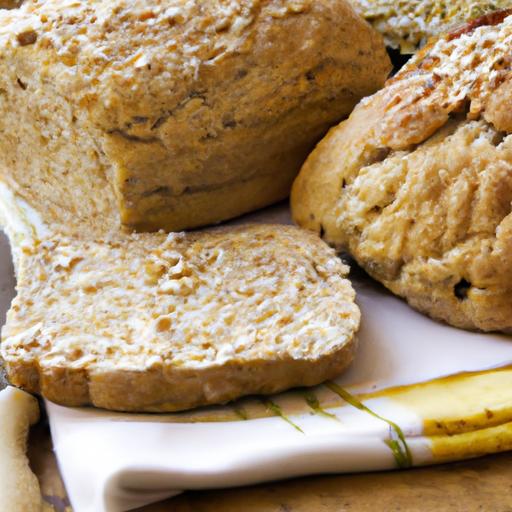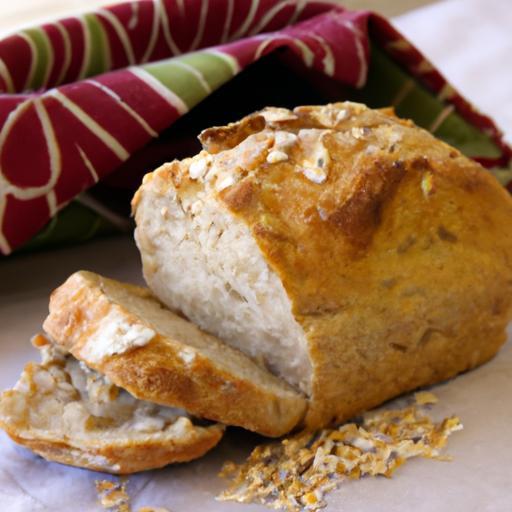
In the world of bread, where countless varieties rise and fall, oatmeal bread stands out as a humble hero-quietly nourishing, delightfully wholesome, and richly textured. More than just a simple staple, this golden loaf weaves together the hearty goodness of oats with the timeless art of baking, offering a taste that’s both comforting and invigorating. Whether gracing a rustic breakfast table or elevating a gourmet sandwich, oatmeal bread has earned it’s place as a versatile companion for every meal. Join us as we unveil the story behind thes nourishing loaves, exploring thier history, health benefits, and the craft that transforms simple ingredients into a beloved bread for all occasions.
The Heart of Oatmeal Bread: Understanding Its Unique Nutritional Benefits
Oatmeal bread offers a wholesome twist to your daily loaf, delivering both comforting texture and remarkable nutrition on every slice. Rooted in conventional recipes that hail from Northern Europe, this bread was once a humble staple crafted to sustain hardworking families with nourishing, fiber-rich grains. Today, it shines as a deliciously hearty option filled with complex carbohydrates, essential vitamins, and minerals that promote heart health and steady energy levels throughout the day.
Unlike ordinary white breads, oatmeal bread combines the gentle nuttiness of oats with the gentle chewiness of whole wheat flour, creating a naturally rich source of soluble fiber. This unique fiber helps regulate blood sugar and supports digestion, making each slice more than just a treat-it’s a smart choice for mindful eaters. Additionally, oats contribute plant-based protein, iron, and B vitamins to this loaf’s nutritional profile, making it a perfect companion for breakfast or as a wholesome snack.
Crafting the Perfect Oatmeal Loaf: Essential Ingredients and Techniques
To create an inviting oatmeal bread, you’ll want to balance moist, tender oats with the strength of bread flour, allowing the dough to develop enough gluten to rise beautifully while retaining a soft crumb. Key ingredients include rolled oats for texture and flavor, bread flour for structure, and a modest amount of honey or maple syrup to bring out natural sweetness without overpowering the loaf.
The secret to success lies in soaking the oats in warm milk before mixing, which softens them and infuses the dough with additional moisture and creaminess. Kneading is crucial: work the dough until it’s smooth and elastic for an airy rise. patience during the proofing stage lets the flavors deepen and the texture become wonderfully tender but robust enough to hold up to toasting or sandwiches.
Prep and Cook Time
- Preparation: 20 minutes
- Rising: 1 hour 30 minutes (two proofs)
- Baking: 30-35 minutes
- Total: Approximately 2 hours 25 minutes
Yield
Makes 1 standard 9×5-inch loaf (12 generous slices)
Difficulty Level
Medium – perfect for home bakers who have experience with yeast breads and want to expand their repertoire to rich, textured loaves.
Ingredients
- 1 cup rolled oats
- 1 1/4 cups warm milk (110°F/43°C,for soaking oats)
- 2 1/4 tsp active dry yeast (1 packet)
- 1 tbsp honey or pure maple syrup
- 3 cups bread flour,sifted
- 1 1/2 tsp sea salt
- 2 tbsp unsalted butter,melted and cooled
- 1/4 cup warm water (110°F/43°C)
Instructions
- Soak the oats: In a large bowl,stir the rolled oats into warm milk. Let soak for 30 minutes until the oats are soft and creamy.
- Activate the yeast: In a small bowl, combine warm water, honey, and yeast. Stir gently and let sit 5-10 minutes until foamy, indicating the yeast is alive.
- Mix the dough: Add the yeast mixture and melted butter to the oats and milk. Slowly incorporate bread flour and salt. Stir with a wooden spoon until the dough begins to come together.
- knead: Turn dough onto a floured surface. Knead for 8-10 minutes until smooth and elastic. If dough is sticky, sprinkle a little flour, but avoid adding too much to keep the loaf moist.
- First rise: Shape dough into a ball, place in a greased bowl, and cover with a damp cloth. Let rise in a warm place for 1 hour or until doubled in size.
- Shape the loaf: Gently deflate the dough and shape into a loaf. Place in a greased 9×5-inch loaf pan. Cover with a cloth and allow to rise for another 30 minutes.
- Bake: preheat oven to 375°F (190°C). Bake for 30-35 minutes until golden brown and hollow-sounding when tapped.
- Cool wholly: Remove from pan and cool on a wire rack before slicing to preserve moisture and texture.
Chef’s Notes & Tips for Success
- Substitution idea: For a gluten-free twist, substitute bread flour with a blend of gluten-free flour and xanthan gum; note texture will slightly differ.
- Over-proofing caution: Avoid letting the dough rise too long or it may collapse; watch closely as room temperature affects timing.
- Make-ahead: Dough can be refrigerated overnight after the first rise-bring to room temperature before shaping the loaf.
- Add-ins: Incorporate toasted nuts, seeds, or dried fruits like cranberries for a flavor boost that pairs wonderfully with the nutty oats.
Flavor Pairings and Serving Suggestions: Elevating Your Oatmeal Bread Experience
Golden slices of oatmeal bread are supremely versatile. Serve slightly warmed with a pat of creamy butter and a drizzle of local honey for a simple yet satisfying snack. For a savory boost, layer with ripe avocado, heirloom tomato slices, and a sprinkle of flaky sea salt.It also pairs beautifully with nut butters or a soft cheese spread like ricotta or goat cheese, complemented by fresh herbs or a touch of cracked black pepper.
Breakfast enthusiasts can toast this loaf and top it with sautéed mushrooms and fresh thyme for a rustic treat. the hearty crumb holds up gracefully to open-faced sandwiches and stands up well to thick spreads without crumbling.
Storing and Revitalizing Tips: Keeping Your Oatmeal Bread Fresh Longer
to maintain the tender crumb and moist texture of your oatmeal bread, store slices in an airtight container at room temperature for up to three days. For longer storage, freeze whole or sliced bread in a sealed bag for up to a month. When ready to enjoy, defrost at room temperature or toast directly from frozen to reinvigorate that fresh-baked warmth.
If bread feels a tad dry, gently wrap slices in a damp paper towel and microwave for 15-20 seconds-this steams the loaf back to a lovely softness, almost as if just baked. Avoid refrigeration, as it tends to dry out fresh breads quicker.
| Nutrient | Amount per Slice |
|---|---|
| Calories | 120 kcal |
| Protein | 4.5 g |
| Carbohydrates | 22 g |
| Fat | 2.1 g |
| Dietary fiber | 3.2 g |

Discover more about healthy bread baking techniques in our Baking Tips Guide, or explore the scientific background on oats from this comprehensive resource at the Healthline Nutrition Center.
Q&A
Q&A: Oatmeal Bread Unveiled – Nourishing Loaves for Every Table
Q1: what makes oatmeal bread different from regular bread?
A1: Oatmeal bread weaves the wholesome goodness of oats into the familiar warmth of traditional bread. Unlike standard white or whole wheat loaves,oatmeal bread boasts a tender crumb enriched with the nutty,subtly sweet flavor of oats,adding both texture and nutritional depth. It’s a heartier, more nourishing twist that elevates each slice.
Q2: Are oats really beneficial when incorporated into bread?
A2: Absolutely! Oats are a powerhouse of soluble fiber, notably beta-glucan, which supports heart health by helping to maintain healthy cholesterol levels. They bring a slow-burning energy, can aid digestion, and contribute essential vitamins and minerals-turning a simple loaf into a nourishing staple that fuels your day.
Q3: Can oatmeal bread be made at home easily?
A3: Definitely! while it has a reputation for being artisanal, oatmeal bread is surprisingly approachable. With basic pantry ingredients-flour, oats, yeast, water, a bit of sweetener, and salt-you can bake your own nourishing loaf. The oats can be soaked or used as a topping,creating a comforting aroma and inviting texture that signals home-baked goodness.
Q4: How versatile is oatmeal bread when it comes to pairing?
A4: oatmeal bread loves company, whether sweet or savory. It pairs brilliantly with creamy nut butters, fresh fruit preserves, or a drizzle of honey for a cozy breakfast. It’s equally at home scooping vibrant vegetable stews, complementing fresh cheeses, or layering seasonal greens and roasted vegetables for a wholesome sandwich.
Q5: Is oatmeal bread suitable for people with dietary restrictions?
A5: Great question! While oats themselves are gluten-free, oatmeal bread typically contains wheat flour, so it’s not safe for those with gluten intolerance without gluten-free flours. However, the oat content can make it easier to digest for many. Plus, oats add moisture and softness, which is a bonus for those sensitive to dense breads.
Q6: How does baking with oats affect the texture and shelf life of the bread?
A6: Oats contribute a slightly chewy texture and a lovely moistness that keeps the bread fresh longer. Their natural oils help prevent staleness, so oatmeal bread often stays tender several days beyond a typical white loaf.This makes it a practical choice for busy households craving wholesome convenience.
Q7: Can I enhance the flavor of oatmeal bread with other ingredients?
A7: Certainly! Cinnamon, nutmeg, or a hint of vanilla can turn your loaf into a touchstone of comfort. Seeds like sunflower or flax add delightful crunch and extra nutrition. Even dried fruits such as raisins or chopped dates marry beautifully with the oat’s nutty tones,creating a bread that’s as flavorful as it is nourishing.
Q8: What’s the best way to enjoy leftover oatmeal bread?
A8: Leftovers deserve celebration! Toast slices gently to revive their texture,then spread with creamy almond butter or swirl with a touch of jam. It’s also fantastic as a base for savory toppings like mashed avocado or softly cooked mushrooms. Or transform it into hearty croutons to crown salads and soups with wholesome crunch.Q9: Why is oatmeal bread gaining popularity in today’s food culture?
A9: With a renewed focus on eating well and valuing natural ingredients, oatmeal bread stands out as a simple yet deeply nourishing option. It embodies the perfect marriage of tradition and nutrition-comforting, mindful, and adaptable-making it a beloved choice for bakers and eaters seeking authenticity on their plates.
Q10: What’s a clever tip for baking the perfect oatmeal bread at home?
A10: Don’t rush the soak! Let your oats soak in warm water or milk for at least 20-30 minutes before mixing into your dough. This softens the oats, integrates flavor more fully, and creates that tender crumb that makes oatmeal bread less crumbly and more sumptuous. Patience in the prep yields a loaf worth savoring.
Final Thoughts
As the comforting aroma of freshly baked oatmeal bread fills your kitchen, it’s clear that this humble loaf is much more than just a staple-it’s a nourishing companion for every table. From its wholesome oats to its hearty texture, oatmeal bread bridges the gap between tradition and nutrition, inviting both novice bakers and seasoned pros to explore its tasty potential. Whether spread with creamy butter, layered with your favorite toppings, or simply enjoyed on its own, this versatile bread promises satisfaction with every bite.So next time you reach for a loaf, let oatmeal bread be your choice-a timeless recipe that nurtures body and soul alike.