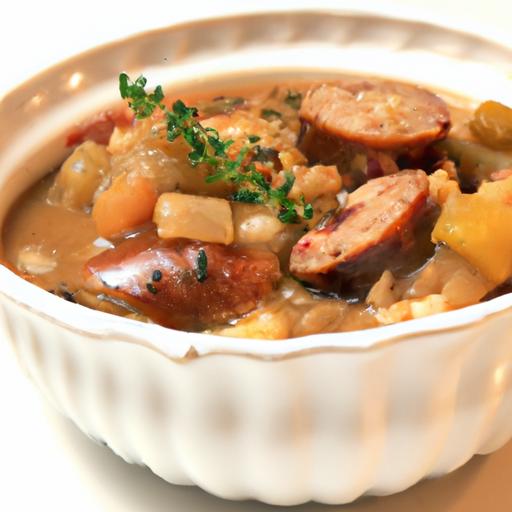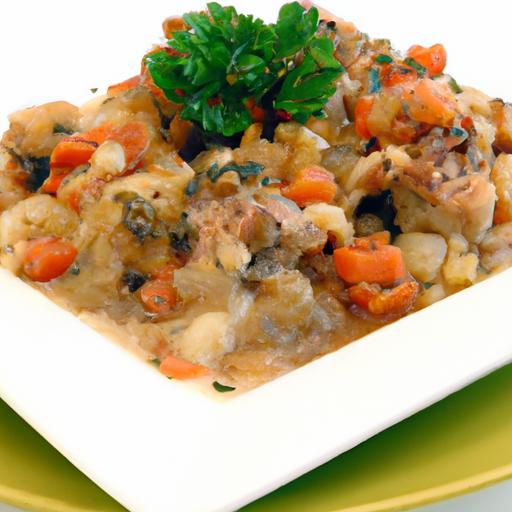
There’s something deeply comforting about a steaming dish of past and sausage casserole-a hearty blend of rich flavors that warms the soul and brings people to the table. But beyond its savory appeal lies a tapestry of history woven through time, culture, and tradition.This dish is more than just a meal; it’s a culinary storybook that traces back to humble beginnings, regional influences, and the ingenuity of home cooks seeking to transform simple ingredients into a beloved feast. Join us as we delve into the origins, evolution, and enduring charm of past and sausage casserole, uncovering how this classic comfort food has savored its way into hearts and kitchens across generations.
Savoring History: The Story Behind Past and Sausage Casserole invites you to explore a timeless dish rooted in tradition yet versatile enough to shine in any modern kitchen. This hearty casserole brings together the rustic charm of well-seasoned sausage with tender past, enriching every bite with warmth and comfort. Originating from the rich culinary tapestry of English country kitchens, this casserole was traditionally crafted to maximize simple, wholesome ingredients during cooler months – a true celebration of communal dining and cozy gatherings.
Prep and Cook Time
- Readiness: 20 minutes
- Cooking: 45 minutes
- Total Time: 1 hour 5 minutes
Yield
Serves 6 generous portions, perfect for family dinners or meal prepping.
Difficulty Level
Medium: Requires some chopping and stovetop sautéing but remains accessible for confident home cooks.
Ingredients
- 500g high-quality beef or chicken sausages (skin removed for crumbling)
- 2 cups past (such as pearl barley or short-grain rice)
- 1 large onion, finely diced
- 2 cloves garlic, minced
- 2 medium carrots, diced
- 1 celery stalk, sliced
- 1 red bell pepper, chopped
- 1 can (400g) chopped tomatoes
- 3 cups low-sodium vegetable broth or chicken broth
- 2 tablespoons tomato paste
- 1 teaspoon smoked paprika
- 1 teaspoon dried thyme
- 1 bay leaf
- Salt and freshly ground black pepper to taste
- 2 tablespoons olive oil
- Fresh parsley, chopped (for garnish)
Step by Step Guide to Crafting the Perfect Casserole
- Prepare the past: Rinse past thoroughly under cold water. If using pearl barley, soak it for 30 minutes to reduce cooking time.
- Brown the sausage: Heat olive oil in a large skillet over medium heat. Crumble the sausage into the pan and sauté until golden brown, about 7 minutes, stirring frequently to avoid sticking.
- Sauté the aromatics: Add diced onion, garlic, carrots, celery, and red pepper to the sausage. Cook until vegetables soften and onions become translucent, about 5-7 minutes.
- Add tomatoes and spices: Stir in the chopped tomatoes, tomato paste, smoked paprika, thyme, bay leaf, salt, and pepper. Mix thoroughly to combine all flavors.
- Combine with broth and past: Transfer the sausage-veggie mixture to a casserole dish. Add the rinsed past and pour in the broth. Stir gently to distribute ingredients evenly.
- Bake the casserole: Preheat oven to 180°C (350°F). Cover the casserole dish with a lid or foil and bake for 45 minutes, or until past is tender and liquid mostly absorbed.
- Finish and rest: Remove the bay leaf. Let the casserole rest covered for 10 minutes to thicken before serving.
Ingredient Secrets That Elevate Every Hearty Bite
Choosing high-quality sausage made from beef or poultry enhances the flavor depth without overwhelming the dish. Incorporating past like pearl barley introduces a nutty texture and fiber, elevating both taste and nutrition. the subtle smokiness from smoked paprika adds a compelling warmth, while slow baking allows the tomatoes and broth to meld into a luscious, thick sauce that perfectly cushions every morsel.
Chef’s Notes – Tips for Success
- Substitute past: Farro or brown rice also work brilliantly if you want to vary textures.
- Make ahead: Prepare the casserole up to the baking point, cover, refrigerate overnight, and bake when ready-it tastes even better after flavors marry.
- Meat-free option: replace sausage with seasoned lentils or plant-based sausage alternatives for a vegetarian twist.
- Prevent dryness: Keep an extra 1/2 cup of broth handy; if casserole appears dry during baking,gently stir it in.
- For added richness: Stir in a handful of shredded sharp cheddar or a dollop of crème fraîche just before serving.
Pairing Suggestions and Serving Tips for Maximum Flavor Impact
This hearty casserole thrives alongside a crisp green salad tossed with tangy vinaigrette to balance richness. Serve with crusty whole-grain bread to sop up every last drop of the luscious sauce. Garnish generously with fresh parsley or chives for a burst of color and freshness. For an added layer, a dollop of crème fraîche or Greek yogurt adds a cooling element that beautifully contrasts the deep flavors.

| Nutrient | Per Serving |
|---|---|
| Calories | 420 kcal |
| Protein | 25g |
| Carbohydrates | 35g |
| fat | 18g |
Explore more hearty casseroles and comforting dishes by visiting our collection of casserole recipes.For additional inspiration on using wholesome grains, check out the Oldways Whole Grains Council.
Q&A
savoring History: The Story Behind Past and Sausage Casserole - Q&A
Q: What is Past and Sausage Casserole, and why has it endured over time?
A: Past and Sausage Casserole is a hearty, comforting dish that combines rich, savory sausages with a medley of vegetables and a flavorful sauce, slow-cooked to tender perfection. Its enduring appeal lies in its simplicity, satisfying warmth, and the way it brings people together around the table. Rooted in traditional home cooking, this casserole represents the ingenuity of making the most out of humble ingredients while delivering deep, soulful flavors.
Q: Where did this casserole originate,and how has it evolved?
A: This casserole has its roots in rural kitchens where resourcefulness was key. Traditionally, cooks would gather whatever seasonal vegetables and hearty sausages were available, layering them with herbs and broth before baking to meld the flavors. Over time, the recipe has evolved with regional twists and modern adaptations, but at its core, it remains a celebration of comfort food that honors its rustic origins.
Q: What makes the sausage element in this casserole special without relying on common pork-based varieties?
A: The key to a great sausage in this casserole is its seasoning and texture. Many cultures craft sausages using meats like beef, lamb, or poultry, each bringing unique flavor profiles that enhance the dish. Spices,herbs,and carefully balanced seasoning ensure these sausages deliver depth and richness,turning them into the heart of the casserole without needing traditional pork options.
Q: How do the vegetables contribute to the casserole’s character?
A: Vegetables in this casserole do more than just add color-they provide layers of texture and flavor complexity. Root vegetables like carrots and parsnips soften and sweeten during cooking, while onions and garlic infuse the sauce with aromatic warmth. These ingredients, often sourced from local harvests, make the casserole both nutritious and deeply satisfying.
Q: Are there any traditional or unexpected spices and herbs that enhance this casserole?
A: Absolutely! Beyond the staples like thyme and bay leaves, others enjoy adding a hint of smoked paprika, a touch of ground coriander, or even a dash of nutmeg to elevate the dish. These spices weave subtle notes of earthiness and warmth, rounding out the savory profile without overpowering the main ingredients. Fresh herbs such as rosemary or sage can also brighten the casserole with fragrant accents.
Q: What cooking techniques are essential to achieving the perfect Past and Sausage Casserole?
A: Browning the sausages before assembling the casserole is crucial-it creates a caramelized crust that intensifies flavor. Simmering the vegetables gently in broth or stock allows their sweetness to develop fully. Slow baking, often covered at first to retain moisture, ensures tender meats and melded flavors. Patience during cooking transforms simple ingredients into a luscious, cohesive meal.
Q: How has Past and Sausage Casserole impacted cultural or family traditions?
A: This casserole often plays a starring role in family gatherings and seasonal celebrations, representing warmth, generosity, and shared stories. Its adaptability means it can be tailored to reflect individual tastes or heritage, making it a vessel for passing down memories and recipes through generations. The dish evokes a sense of home and connection,forging bonds over shared plates and recollections.
Q: Can this casserole be adapted for modern diets or dietary preferences?
A: Certainly! the recipe’s flexibility allows for substitutions such as plant-based sausages crafted from legumes or grains, or incorporating a wider range of vegetables to suit personal preferences. Using vegetable stocks and mindful seasoning can keep the dish robust and flavorful for diverse diets, while still honoring its comforting essence.
Q: What tips would you offer to someone attempting this casserole for the first time?
A: Start with quality sausages that speak to your tastes, and don’t rush the browning process-it builds foundational flavor. Use fresh, seasonal vegetables for vibrancy, and taste your sauce as you go to balance seasoning. Slow cooking is your friend: low and steady heat yields the best tenderness and melding of tastes. Lastly, embrace the cozy atmosphere the dish creates-this meal is as much about savoring history as it is about nourishing the body.
Final Thoughts
As the rich aroma of past and sausage casserole fills the air, it carries with it more than just the promise of a hearty meal-it embodies centuries of tradition, adaptation, and community spirit.This humble dish, rooted in the practical needs of bygone eras, has transcended its simple ingredients to become a comforting culinary narrative on our plates. Each spoonful not only satiates hunger but also invites us to savor history itself, reminding us that food is more than sustenance-it’s a story waiting to be told with every bite. So next time you tuck into this timeless casserole, pause for a moment and appreciate the layers of heritage simmering beneath its golden crust.