There’s something undeniably magical about the aroma of fresh basil mingling with garlic and pine nuts, transforming simple ingredients into a vibrant, verdant sauce known as pesto. Now, imagine that rich, herbaceous flavor woven into the warm embrace of freshly baked bread-a marriage of tastes and textures that elevates the humble loaf to an extraordinary experience. Welcome to the art of pesto bread: a flavorful homemade delight that beckons both novice bakers and culinary enthusiasts to explore the luscious fusion of fragrant pesto and golden-crusted bread. In this article, we’ll unravel the secrets behind crafting this savory sensation, guiding you step-by-step to create a loaf that’s as comforting as it is indeed exciting, perfect for sharing or savoring all on its own.
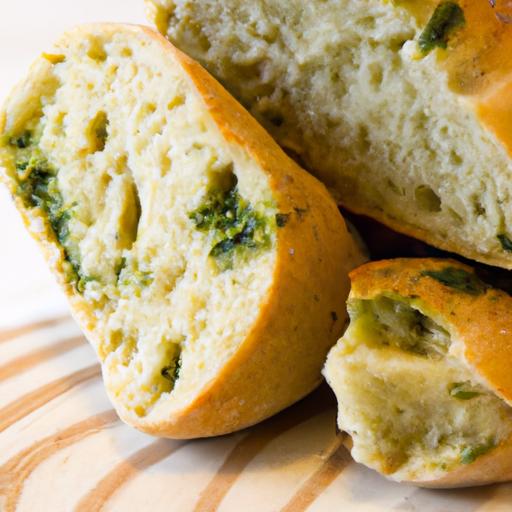
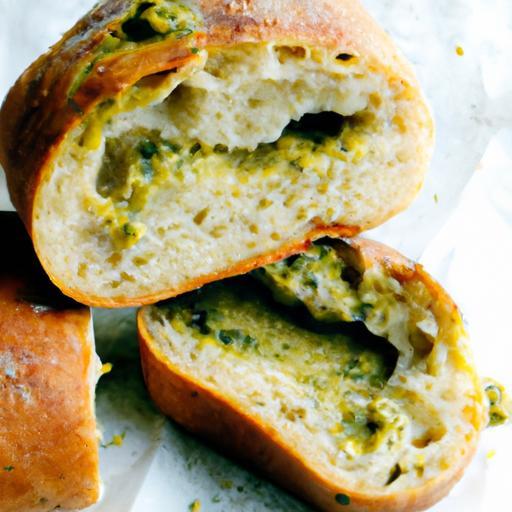
The Art of Pesto Bread comes alive when you carefully select each ingredient and truly understand how to coax maximum flavor from the vibrant, herbaceous basil pesto. This beloved Italian-inspired loaf transcends ordinary bread,offering an irresistible harmony of fragrant green herbs,nutty pine nuts,and creamy cheese melded with tender,golden crumb and a perfectly crisp crust.
Choosing the Perfect Ingredients for an Authentic Pesto Bread Experience
Creating an authentic pesto bread begins with selecting the freshest and highest-quality ingredients. Opt for fresh basil leaves that are radiant green and free from blemishes; thay are the backbone of any excellent pesto. Using extra virgin olive oil with a fruity, peppery flavor will enhance the pesto’s richness without overpowering it.When incorporating nuts, choose lightly toasted pine nuts to bring warmth and subtle crunch, and swap in walnuts or almonds if pine nuts are unavailable-remember, each nut variation lends a unique dimension to your bread. Don’t forget the cheese: classic Parmigiano-Reggiano or a combination with Pecorino Romano will add a savory depth that lingers pleasantly on the palate. Lastly, use high-quality all-purpose flour or bread flour to ensure the dough develops the ideal gluten structure for a chewy, airy texture.
Mastering the Technique of incorporating pesto for Maximum Flavor
Incorporating pesto into your bread dough skillfully is essential to keep those vivid green swirls intact and ensure an even distribution of flavor. Rather than mixing pesto directly into the dough, try a rolling and layering technique: after the first rise, roll your dough into a rectangle, spread a thin, even layer of vibrant pesto across the surface, and then gently roll it up like a jelly roll. This method creates stunning ribbons of pesto throughout every slice,preserving its aromatic qualities. Make sure your pesto isn’t too watery-if it feels runny,strain lightly using a fine mesh to avoid excess moisture that could affect dough rise and crust formation.
Baking Tips to Achieve the ideal Crust and texture
Achieving a perfect crust on pesto bread requires the right balance of steam, heat, and timing. Preheat your oven to a hot 220°C (428°F) and use a steam tray or mist the oven walls with water as you place your dough inside to mimic a professional steam oven habitat. This steam encourages crust formation while allowing the interior to remain moist and tender.Bake your pesto bread on a preheated baking stone or heavy tray to promote even heat distribution, and keep an eye on the color to avoid overbrowning-aim for a glowing, golden crust with slightly blistered patches for that rustic charm.Cooling your bread on a wire rack is crucial; it prevents soggy bottoms and lets the crumb settle beautifully.
Creative Variations to Elevate Your Pesto Bread Creations
Unleash your culinary creativity by experimenting with inventive pesto bread variations.For a nutty twist, sprinkle crushed, toasted walnuts or chopped sun-dried tomatoes over the pesto layer before rolling the dough. Incorporate fresh herbs like rosemary or thyme into the dough for an extra herbal pop that complements the classic basil base. For a dairy-free alternative, opt for nut-based cheeses or omit cheese entirely while boosting the amount of olive oil for luscious richness. A sprinkle of flaky sea salt on top just before baking adds a satisfying crunch and accentuates the vibrant flavors. try shaping your dough into mini rolls or braids stuffed with pesto for extraordinary dinner party offerings.
Prep and Cook Time
- Preparation: 15 minutes
- First rise: 1 hour 30 minutes
- Shaping and second rise: 45 minutes
- Baking: 25-30 minutes
- Total time: Approximately 3 hours 30 minutes
Yield
1 loaf (serves 8)
Difficulty Level
Medium – beginner bakers with some experience in yeast breads will find this approachable and rewarding.
Ingredients
- 3 ½ cups all-purpose flour, sifted
- 1 cup warm water (about 110°F / 43°C)
- 2 tsp active dry yeast
- 1 tsp sugar
- 1 tsp fine sea salt
- ⅓ cup extra virgin olive oil, plus extra for coating
- ½ cup fresh basil pesto (homemade or high-quality store-bought)
- ¼ cup Pine nuts, lightly toasted
- ½ cup freshly grated Parmigiano-Reggiano cheese
Instructions
- Activate the yeast: In a small bowl, combine warm water, sugar, and yeast. Stir gently and let sit for 5-10 minutes until frothy and active.
- Mix the dough: in a large mixing bowl, whisk together flour and salt. Create a well in the center, pour in the activated yeast mixture and olive oil. Stir with a wooden spoon until a shaggy dough forms.
- knead the dough: Turn dough onto a lightly floured surface. Knead for 8-10 minutes until smooth and elastic, adding small amounts of flour if sticky. Alternatively, knead using a stand mixer with dough hook on medium speed for 6-7 minutes.
- First rise: Lightly oil a clean bowl. Place dough inside, cover with plastic wrap or a damp kitchen towel. Let rise in a warm place for about 1 hour 30 minutes,doubling in size.
- Prepare the pesto layer: Lightly toast pine nuts in a dry skillet until golden brown, then set aside. Grate Parmigiano-Reggiano and have pesto ready.
- Shape with pesto: Punch down the risen dough and roll it out on a floured surface into a 12×16 inch rectangle. Spread pesto evenly over the surface, sprinkle toasted pine nuts and grated cheese.
- Roll and seal: Starting from one long edge, gently roll the dough into a tight log. Pinch the seam and ends to seal to avoid leakage during baking.
- Second rise: Transfer the roll to a parchment-lined baking sheet seam side down. Cover loosely and let rise 40-45 minutes until puffy.
- preheat oven: Heat oven to 220°C (428°F). Place a baking stone or heavy tray inside to warm.
- Bake: Just before baking, mist the oven walls with water or place a small dish of water on the bottom rack for steam. Place dough on the preheated stone/tray. Bake 25-30 minutes until crust is golden and fragrant.
- Cool: Remove bread from oven and let cool completely on a wire rack to retain crisp crust and perfect texture.
Tips for Success
- If your pesto is too wet, strain it briefly in a fine mesh to prevent soggy dough.
- Use bread flour for extra chewiness, or all-purpose for a softer crumb.
- Don’t overknead – the dough should be elastic but still slightly tacky.
- For a glossy crust, brush the loaf with olive oil immediately after baking.
- Make ahead: dough can be refrigerated after first rise; bring to room temperature before shaping.
Serving Suggestions
slice this stunning pesto bread warm alongside a vibrant Caprese salad or thick slices of fresh mozzarella. Garnish with a drizzle of olive oil and scattered pine nuts for eye appeal and texture contrasts. It pairs wonderfully with a bowl of hearty tomato basil soup or as an aromatic accompaniment to grilled vegetables or seafood dishes.For an indulgent finish, toast slices and spread with a dab of ricotta and a pinch of flaky sea salt.

| Nutrition per Slice (1/8 loaf) | Calories | Protein | Carbs | Fat |
|---|---|---|---|---|
| 210 kcal | 7 g | 28 g | 8 g |
Explore further savory bread creations in our Homemade Savory Breads series for more inspiration. For in-depth culinary techniques on pesto making, visit the Eataly guide to making classic genovese pesto.
Q&A
Q&A: The Art of Pesto Bread – A Flavorful Homemade Delight
Q1: What makes pesto bread such a unique and flavorful treat?
A1: Pesto bread is a brilliant marriage of fragrant basil pesto and hearty bread, were the herbaceous, garlicky, and nutty notes of the pesto infuse every bite.The contrast between the crispy crust and the tender, aromatic crumb creates a sensory experience that’s both comforting and vibrant.
Q2: Can I use homemade pesto for baking, or is store-bought pesto just as good?
A2: While store-bought pesto is convenient, homemade pesto ofen shines brightest in baking. When you make your own, you can adjust ingredients like garlic intensity, cheese type, and nuttiness to match your bread dough perfectly, ensuring a fresher, more personalized flavor burst that elevates the entire loaf.
Q3: What types of bread dough work best for pesto bread?
A3: Pesto pairs wonderfully with versatile bread doughs-think classic Italian-style ciabatta, fluffy focaccia, or even a simple enriched dough with olive oil. The key is choosing a bread with an open crumb that absorbs the pesto without collapsing, allowing flavor pockets to develop beautifully.
Q4: How do you incorporate pesto into the bread dough without overpowering the texture?
A4: The secret lies in layering and moderation. You can swirl pesto into the dough before the final rise or fold it in gently, creating marbled pockets of flavor. Alternatively, spread pesto on rolled-out dough, then roll or braid it before baking. This technique balances intense flavor with a tender crumb, preventing sogginess.
Q5: Is pesto bread best served fresh,or does it improve after a day?
A5: Pesto bread is at its peak when fresh from the oven-warm,fragrant,and crusty. However, because pesto’s fresh herbal flavors mellow over time, leftover slices can still shine when toasted lightly, reawakening the aroma and crispness for a delicious second life.
Q6: What creative twists can I try to customize my pesto bread?
A6: Don’t be afraid to experiment! Add sun-dried tomatoes into the dough for bursts of sweetness, sprinkle toasted pine nuts or walnuts on top before baking for crunch, or mix in different greens like arugula or kale in your pesto for a flavor shift. Incorporating a sprinkle of flaky sea salt on the crust post-bake adds a perfect finishing touch.
Q7: How vital is the choice of cheese in the pesto for bread?
A7: Cheese anchors pesto’s richness and depth. Customary Parmigiano-Reggiano is ideal for its sharp, nutty character, but experimenting with Pecorino Romano or aged Asiago can introduce interesting tang and complexity. Just remember, balance is key-too much cheese can weigh down the loaf’s light texture.
Q8: Can pesto bread be turned into a savory sandwich or snack?
A8: Absolutely! Pesto bread makes an exceptional base for sandwiches, adding a layer of herbal flavor that complements fresh veggies, cheeses, or roasted mushrooms beautifully. It also shines on its own, enjoyed simply with olive oil or alongside a bowl of tomato soup.
Q9: What tips ensure the perfect crust and crumb in pesto bread?
A9: Use high-quality flour and avoid over-kneading to maintain an airy texture. Don’t skimp on the oven temperature-bake at a high heat to develop a golden, crackling crust. If you’re layering pesto inside, be gentle; too much moisture can inhibit rise, so balance your ingredients carefully.
Q10: Can I freeze pesto bread, and if so, how do I preserve its flavor best?
A10: Yes! Freeze fully cooled pesto bread wrapped tightly in plastic wrap and then foil to retain moisture and flavor. When ready to enjoy, thaw at room temperature and warm gently in the oven to revive its aroma and crustiness-as close to fresh-baked as you can get.
Closing Remarks
As the final golden crust of your pesto bread cools, you’ve not only crafted a delicious loaf-you’ve woven together tradition, flavor, and a touch of personal artistry. This humble bread, infused with vibrant pesto, transforms simple ingredients into a captivating experience that delights the senses and elevates any meal. Whether shared with loved ones or savored in quiet moments, homemade pesto bread stands as a testament to the joy found in baking from scratch. So, armed with fresh basil, toasted pine nuts, and a dash of culinary curiosity, may your kitchen forever be filled with the irresistible aroma of this flavorful, homemade delight.