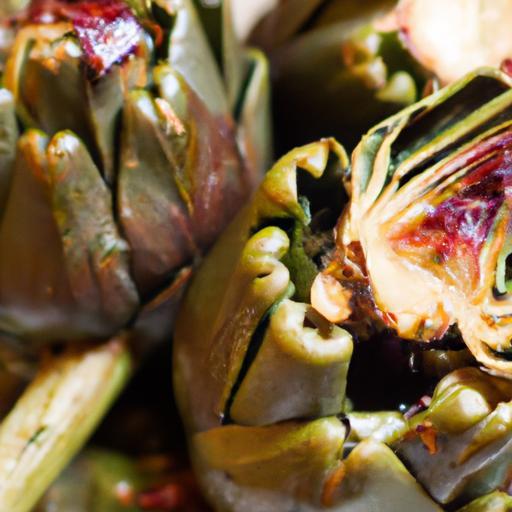
In the world of culinary delights, few vegetables offer as much charm and complexity as the artichoke. its layers of tender leaves conceal a heart bursting with subtle, nutty sweetness-a treasure waiting to be discovered. Yet, unlocking this flavor requires more than just simple cooking; it demands a delicate balance of technique and intuition. Welcome to the art of perfectly roasted artichoke, where patience meets precision, transforming a humble thistle into a gourmet masterpiece. In this journey, we’ll explore how mastering the roasting process can elevate the artichoke from an overlooked ingredient to the star of your plate, revealing depths of flavor you never imagined.
Unlocking Flavor: The Art of Perfectly Roasted Artichoke
Unlocking flavor begins with selecting the freshest artichokes, a crucial step that can elevate this humble vegetable into a culinary masterpiece. Native to the Mediterranean, artichokes bring a subtly sweet, nutty taste with a satisfyingly meaty texture when roasted perfectly. From markets to home kitchens, choosing the right specimen and handling it with care unlocks layers of natural goodness and aroma, making your roasted artichokes unforgettable.
Prep and Cook Time
- Preparation Time: 20 minutes
- Cooking Time: 40 minutes
- Total Time: 1 hour
Yield
Serves 4 as a side dish or appetizer
Difficulty Level
Medium: Requires attention to trimming and roasting techniques but accessible for eager home cooks
Ingredients
- 4 medium fresh artichokes, firm with tightly packed leaves
- 3 tablespoons extra virgin olive oil
- 2 cloves garlic, thinly sliced
- 1 teaspoon sea salt
- ½ teaspoon freshly cracked black pepper
- 1 tablespoon fresh lemon juice
- 1 teaspoon dried thyme or 2 teaspoons fresh thyme leaves
- 1 teaspoon smoked paprika (optional for warmth and depth)
- Fresh parsley for garnish
Instructions
- Selecting the freshest artichokes: Begin by inspecting each artichoke. The leaves should be tightly packed and feel heavy for their size. Squeeze gently – a fresh artichoke will emit a subtle squeak, a sign of freshness and moisture retention.
- Cleaning and trimming: Rinse the artichokes under cold water, rubbing between the leaves to remove any grit. Cut off the tough stem flush with the base. using a sharp chef’s knife or kitchen scissors,trim the thorny leaf tips to avoid unpleasant pokes and bitterness. Slice the artichoke in half lengthwise.
- Removing the choke: With a spoon, gently scoop out the fuzzy choke and small inner leaves near the heart; this ensures a smooth texture without bitterness.
- Marinate with herbs and spices: In a mixing bowl, combine olive oil, sliced garlic, lemon juice, thyme, sea salt, black pepper, and smoked paprika if using. Toss each artichoke half to coat thoroughly, letting the herbs infuse their essence into the vegetable’s crevices.
- Preheat your oven to 400°F (200°C). Arrange the artichokes cut-side down on a parchment-lined baking sheet. The direct contact promotes caramelization and even roasting.
- Roasting to perfection: Roast uncovered for 35 to 40 minutes, or until the outer leaves are crispy and slightly charred with a tender heart that yields to a fork. Halfway through, baste the artichokes with the pan juices to intensify flavor and moisture.
- Finishing touches: Remove from the oven and sprinkle with freshly chopped parsley for a burst of color and fresh brightness. Serve warm to relish the full depth unlocked through roasting.
Tips for Success: Mastering roasted Artichokes
- To preserve the stunning green hue, rub cut edges with fresh lemon juice instantly after trimming.
- If your artichokes feel large or tough, parboil them in salted water for 5 minutes before roasting to soften.
- Mix in a pinch of red pepper flakes with the herb marinade for gentle heat without overpowering the artichoke’s natural flavor.
- For a vegan dipping sauce, blend tahini, lemon juice, and smoked paprika.
- Roasted artichokes can be prepared a day ahead and gently reheated – just drizzle a little olive oil before warming.
Serving Suggestions
Present these perfectly roasted artichokes as a centerpiece appetizer on a rustic wooden board. Garnish with lemon wedges and a scattering of microgreens or thin radish slices for crisp contrast. They pair beautifully alongside creamy hummus, tangy yogurt dips, or a light herb aioli that complements but never steals the spotlight. For a comforting vegetarian plate, serve atop a bed of warm quinoa salad studded with roasted nuts and dried cranberries.
| Nutrient | Per Serving |
|---|---|
| Calories | 110 kcal |
| Protein | 4g |
| Carbohydrates | 18g |
| fat | 5g |
For more vegetable roasting inspirations and culinary techniques, explore our guide on Perfect Roasted Vegetables. To deepen your understanding of artichoke health benefits, visit the Healthline article on artichoke nutrition.
Q&A
Q&A: Unlocking Flavor – The Art of Perfectly Roasted Artichoke
Q1: Why roast artichokes instead of boiling or steaming them?
A1: Roasting artichokes transforms them from simply tender to deeply flavorful.The dry heat caramelizes their natural sugars, imparting a subtle nuttiness and a smoky, earthy richness that steaming or boiling can’t achieve. Plus, roasting enhances texture-crispy edges meet tender hearts in a perfect balance of bite and softness.
Q2: How do you prepare an artichoke for roasting?
A2: Start by trimming the tough outer leaves and slicing off the top third of the artichoke to remove prickly tips. Snip away sharp leaf points with kitchen scissors,then cut the artichoke in half lengthwise to expose the fuzzy choke. scoop out the choke and thin leaves with a spoon to reveal the tender heart beneath. To prevent browning, rub the cut surfaces with lemon juice before seasoning.
Q3: What seasonings elevate roasted artichokes?
A3: Simple, vibrant flavors work best! Olive oil brushed generously over the halves helps with caramelization. Sprinkle sea salt, freshly cracked black pepper, and garlic powder for a savory kick. Fresh herbs like thyme or rosemary bring aromatic depth. For a bright twist, a squeeze of lemon juice or a zest sprinkle right after roasting wakes up the flavors.
Q4: What’s the ideal roasting temperature and time?
A4: Roast artichokes at a steady 400°F (200°C) for about 30 to 40 minutes. This temperature is hot enough to create caramelized edges without drying out the heart. Midway through roasting, baste the artichokes with olive oil or pan juices to enhance browning and flavor penetration.Q5: How do you know when a roasted artichoke is perfectly done?
A5: The leaves should be tender enough to pull away easily, and the heart will be fork-soft but still hold its shape. A fork or skewer inserted into the base should slide in with gentle resistance. The outer leaves will have golden, slightly crisped edges that hint at their roasted sweetness.
Q6: Can roasted artichokes be used beyond just a simple side dish?
A6: Absolutely! Their complex flavor makes them a star ingredient in salads, pasta, or grain bowls. Chop roasted artichoke hearts into dips or spreads for an earthy, smoky twist. They can even elevate vegetable soups or be added to tacos and flatbreads for unexpected texture and taste bursts.
Q7: Any tips for enhancing the roasting experience or presentation?
A7: For an extra burst of flavor, try marinating the artichokes briefly in lemon, garlic, and herbs before roasting. Use a cast-iron skillet or roasting pan to maximize caramelization. Garnish finished artichokes with finely chopped parsley, a drizzle of high-quality extra virgin olive oil, or a dusting of smoked paprika to add visual appeal and flavor layers.
Q8: Are there any common mistakes to avoid when roasting artichokes?
A8: The biggest pitfalls include under-trimming the leaves, leaving tough or prickly parts that toughen during roasting, and not removing the choke completely, which is unpleasant to eat. Avoid overcrowding the pan so heat circulates evenly and be patient-rushing the process by cranking up the heat can lead to burnt outsides and raw insides.Q9: Why is roasting artichokes worth the effort?
A9: As it unlocks a hidden world of flavor and texture in a vegetable too frequently enough treated as mundane. Roasting turns artichokes into gold-complex,tender,crisp,and aromatic-a gourmet experience that’s surprisingly simple to achieve at home once you master the technique.
Q10: What varieties of artichokes work best for roasting?
A10: Medium-sized globe artichokes are ideal-they have plump, tender hearts and enough bulk to roast evenly. Smaller baby artichokes roast quickly and are great for nibbling, while larger ones may require a bit more roasting time. Choosing fresh, firm artichokes without blemishes ensures the best result.
Embrace the art of roasting artichokes and turn this underrated vegetable into a centerpiece of flavor and culinary creativity!
In Summary
As the layers of a perfectly roasted artichoke gently unfurl, revealing their tender, flavorful heart, we are reminded that unlocking flavor is as much an art as it is a science. From mastering temperature and timing to embracing patience and intuition, the journey to roasting the perfect artichoke invites both mindfulness and creativity. So next time you savor that caramelized edge or dip into the luscious, nutty depths of this humble vegetable, remember-each bite is a reward earned through careful technique and a touch of culinary magic. Unlocking flavor, after all, is about more than taste; it’s about transforming simple ingredients into an experience that delights the senses and nourishes the soul.