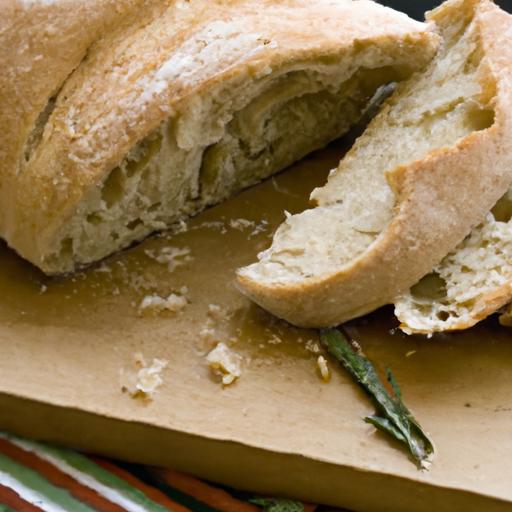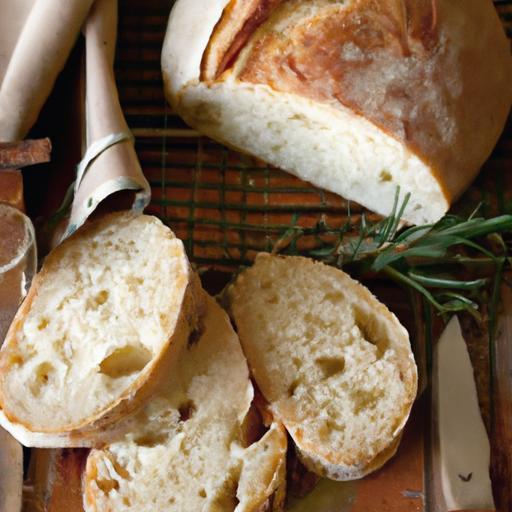
There’s something undeniably enchanting about the scent of freshly baked bread wafting through the kitchen, especially when infused with the rustic aroma of rosemary. this aromatic herb,with its piney fragrance and subtle earthiness,transforms simple dough into a sensory experience that’s both comforting and invigorating. In this article, we’ll guide you through an easy, rustic rosemary bread recipe that promises not only to fill your home with a mouthwatering fragrance but also to deliver a crusty, golden loaf that’s perfect for everything from morning toast to evening suppers. Whether you’re a seasoned baker or a curious beginner, this recipe brings the timeless charm of homemade bread right to your fingertips.
Choosing the Perfect Rosemary for Maximum Aroma and Flavor
The secret to an irresistibly fragrant loaf begins with selecting the right rosemary. For this aromatic rosemary bread recipe, fresh rosemary sprigs bursting with oils deliver the brightest aroma and deepest flavor. Choose needle-like leaves that are vibrant green,unblemished,and plump. Avoid woody or dry stems, which can impart bitterness.
Draping your rustic bread with freshly chopped rosemary releases savory piney notes that infuse every bite. If fresh isn’t available,opt for high-quality dried rosemary-but crush the leaves gently to unlock their essential oils before mixing. Pair your rosemary with a good sea salt and a hint of olive oil to elevate the herb’s character harmoniously throughout the dough.
Mastering the Rustic crust and Soft Crumb Texture
Rustic crust with a soft crumb is the hallmark of a perfect homemade rosemary bread. Achieving it means creating a dough that balances hydration and kneading, ensuring the interior remains tender while the exterior bakes golden and crackly. A high hydration level-just enough to create slight stickiness without slackness-is key.
Using a baking stone or preheated heavy-duty pan helps generate a crispy crust by retaining radiant heat, while steam traps moisture that softens the crumb inside. Don’t rush the final proof; letting the dough rise untill noticeably puffy develops natural sugars and gluten strength, resulting in an inviting texture contrast that’s simply sublime.
Step by Step Guide to Mixing and Kneading for Best Results
- Combine the dry ingredients: In a large bowl, whisk together all-purpose flour, salt, and dried yeast evenly.
- Incorporate chopped rosemary: Add finely minced fresh rosemary leaves for herbaceous depth.
- Add the wet ingredients: Pour in warm water (between 95°F and 105°F) and good-quality olive oil to nourish the dough.
- Mix gently with a spoon or your hands just until flour is hydrated; the dough will be slightly sticky.
- Knead the dough on a lightly floured surface for 8-10 minutes using the push-fold-turn method.This builds gluten, providing elasticity and structure essential for a chewy crumb.
- First rise: Place the dough in an oiled bowl, cover with a damp cloth or cling wrap, and allow it to double in size (approx. 1 to 1.5 hours at room temperature).
- Shape and second rise: After degassing gently, shape into a rustic boule or batard. Let rise uncovered on parchment paper until puffed, about 30-45 minutes.
Tips for Baking and Serving Your Aromatic Rosemary Bread
Preheat your oven to a scorching 450°F (230°C) and place a cast-iron skillet or pan filled with water on the lower rack to create steam-this mimics professional bakeries for crust perfection.
Score the dough’s surface with a sharp blade to allow controlled expansion and create beautiful rustic patterns.Bake directly on a preheated stone or heavy pan for 25-30 minutes until the crust is deeply golden and crackling.
Once baked, cool on a wire rack for at least an hour to set the crumb. Serve warm or at room temperature accompanied by a drizzle of extra virgin olive oil, a sprinkle of flaky sea salt, or softened butter infused with more fresh rosemary.
This aromatic rosemary bread recipe shines alongside creamy hummus, ripe cheeses, or alongside a hearty vegetable soup for a complete and soul-satisfying meal.
Prep and Cook Time
- Readiness: 15 minutes
- first Rise: 1-1.5 hours
- Second Rise: 30-45 minutes
- Baking Time: 25-30 minutes
- Total time: Approximately 2.5 hours
Yield
One rustic loaf, approximately 10-12 servings.
Difficulty Level
Medium: Perfect for those pleasant with basic bread techniques looking to elevate their baking with fresh herbs.
Ingredients
- 3 cups all-purpose flour, sifted
- 1 ¼ cups warm water (95°F-105°F)
- 2 tablespoons extra virgin olive oil
- 2 teaspoons fine sea salt
- 1 teaspoon active dry yeast
- 2 tablespoons fresh rosemary, finely chopped
Instructions
- In a large mixing bowl, whisk flour, salt, and yeast together thoroughly.
- add the chopped fresh rosemary to the dry mix.
- Pour in warm water and olive oil, stirring gently until the dough forms and no dry flour remains.
- Transfer dough to a lightly floured surface and knead with the push-fold-turn technique for 8-10 minutes until elastic but still tender.
- Place dough in an oiled bowl,cover,and let rise in a warm spot until doubled,about 1-1.5 hours.
- Turn dough out, gently press to deflate, then shape into a round loaf on parchment paper.
- Cover loosely and allow to rise for another 30-45 minutes, until puffed.
- Preheat oven to 450°F with a baking stone inside. Add a small pan of water on the bottom rack to create steam.
- Score the surface of the loaf with a sharp knife,then slide the parchment and dough onto the hot stone.
- Bake 25-30 minutes until crust is deeply golden and sounds hollow when tapped.
- Remove bread and cool wholly on a wire rack before slicing.
Tips for Success
- For a stronger rosemary flavor, lightly toast the fresh rosemary in a dry pan before chopping.
- If dough feels too sticky, flour your hands lightly rather than adding excessive flour to preserve crumb softness.
- To extend freshness, store bread in a paper bag at room temperature; avoid plastic which softens crust.
- try substituting half the all-purpose flour with bread flour for an even chewier texture.
- Use a Dutch oven for baking if you don’t have a baking stone-this traps steam wonderfully for crust progress.
serving suggestions
Slice thick to showcase the airy crumb contrasted by the crunchy crust.Garnish with an extra sprig of fresh rosemary or a sprinkle of sea salt flakes to enhance presentation.
Pair with whipped garlic butter, creamy ricotta dash, or olive tapenade. This aromatic rosemary bread recipe also shines as a base for open-faced sandwiches featuring fresh tomatoes,basil,and a drizzle of balsamic glaze.
| Nutrition per Slice | Calories | Protein | Carbohydrates | Fat |
|---|---|---|---|---|
| 1 slice | 150 | 4g | 28g | 3g |
Discover another rustic bread technique in our artisan sourdough recipe to expand your baking repertoire. For deeper insight into rosemary’s culinary uses and health benefits, check out Medical News Today’s rosemary guide.

Q&A
Q&A: Aromatic Rosemary Bread Recipe – Easy, Rustic, and Delicious
Q1: What makes rosemary such a special ingredient in this bread recipe?
A1: Rosemary brings a vibrant, piney aroma and earthy flavor that transforms simple bread into a fragrant, rustic delight.Its oil-infused needles release essential oils during baking, creating a sensory experience that’s both savory and soul-warming.Q2: Can I use fresh rosemary, or is dried rosemary okay for this recipe?
A2: Fresh rosemary is ideal as it imparts more robust flavor and aroma. however, if fresh isn’t available, dried rosemary works fine-just use about one-third of the fresh quantity to avoid overpowering the bread.
Q3: Is this bread recipe suitable for beginners?
A3: Absolutely! This recipe is designed with simplicity in mind-minimal ingredients, straightforward steps, and a forgiving dough that’s perfect even if it’s your first time baking artisan bread.
Q4: How do I achieve that lovely rustic crust?
A4: The secret lies in baking on a preheated stone or heavy baking sheet and adding steam during the first 10 minutes of baking. You can create steam by placing a small pan of hot water in the oven or spritzing the dough with water before baking.
Q5: What flour type works best for this rosemary bread?
A5: A high-quality bread flour delivers the best structure and chew, but all-purpose flour can also be used for a slightly softer crumb. For a more rustic touch, try incorporating a bit of whole wheat or spelt flour.
Q6: Can I add other ingredients to this rosemary bread for extra flavor?
A6: Yes! Chopped olives, sun-dried tomatoes, or a sprinkle of coarse sea salt on top can elevate the flavor while keeping that rustic charm. Just be mindful not to overload the dough, so the texture remains light and airy.
Q7: How long does the bread stay fresh?
A7: Rosemary bread is best enjoyed fresh, within two days of baking.To keep it soft, store it in a bread box or loosely wrapped in a clean kitchen towel. For longer storage, freeze slices and toast them when needed.
Q8: What dishes pair beautifully with this aromatic rosemary bread?
A8: Its herbal brightness complements hearty soups, fresh garden salads, roasted vegetables, or creamy cheeses. It also shines as a base for bruschetta or simply smeared with quality olive oil and a pinch of sea salt.
Q9: Is there a vegan or dairy-free version of this bread?
A9: Yes! This recipe is naturally vegan and dairy-free as it relies on basic pantry staples: flour, water, yeast, salt, olive oil, and rosemary. Perfect for all diet preferences without any compromise on taste or texture.
Q10: How should I store leftover rosemary bread to maintain its aroma?
A10: Wrap the cooled bread loosely in parchment paper or a cotton kitchen towel to allow some airflow and prevent sogginess. Avoid plastic bags unless you plan to freeze it,as trapped moisture can dull the aromatic rosemary essence.
In Retrospect
With its golden crust, tender crumb, and unmistakable aroma of fresh rosemary, this rustic bread isn’t just a recipe-it’s an invitation to slow down and savor the simple joys of baking. Whether you’re a seasoned baker or a curious novice, this easy aromatic rosemary bread promises to fill your kitchen with warmth and your table with flavor. So, roll up your sleeves, embrace the art of homemade bread, and let each fragrant slice remind you that sometimes, the most delightful creations come from the simplest ingredients and a little bit of love. Happy baking!