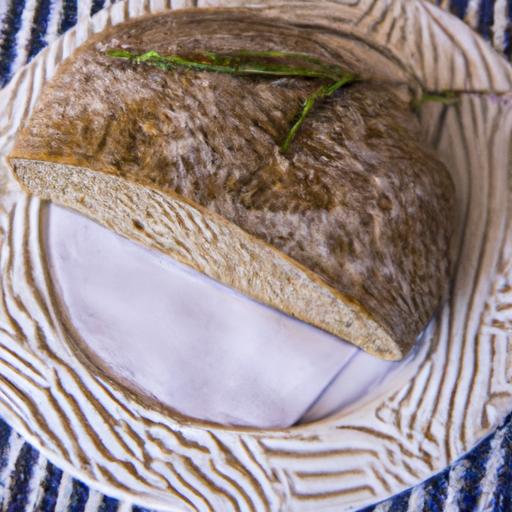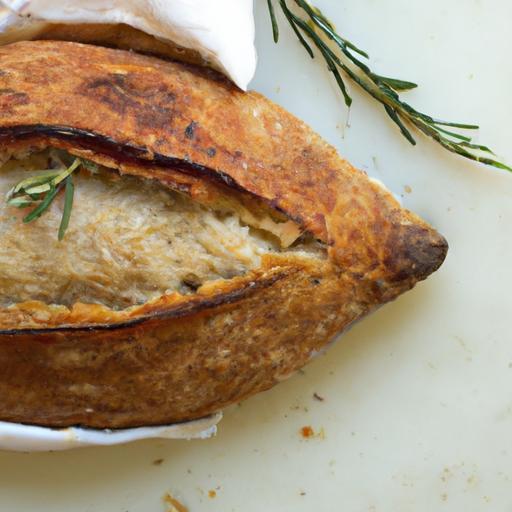
There’s something undeniably enchanting about the aroma of freshly baked bread wafting through a warm kitchen, and when that bread is infused with the aromatic essence of rosemary, the experience transforms into a sensory festivity. Enter Rustic Rosemary Sourdough: a flavorful artisan classic that marries the time-honored tradition of sourdough fermentation with the earthy, piney notes of rosemary. This delightful loaf isn’t just bread-it’s a story of patience, craft, and natural flavors converging into a crusty masterpiece. In this article,we’ll explore the origins,the art of baking,and the irresistible charm that makes Rustic Rosemary Sourdough a cherished staple for both seasoned bakers and adventurous food lovers alike.
Rustic Rosemary Sourdough: A Flavorful Artisan Classic
Rustic rosemary sourdough offers a fragrant and hearty experience that transforms simple bread into an artisan delight. This loaf, infused with fresh herbs and nurtured through slow fermentation, captures the essence of traditional baking while elevating it with the unmistakable aroma of rosemary. Whether you are an avid baker or a curious beginner, this recipe invites you to embrace the satisfying ritual of sourdough-making and enjoy a bread with a beautifully crispy crust and tender crumb.
prep and Cook Time
- Preparation: 30 minutes (active)
- Bulk Fermentation: 4-6 hours (depending on room temperature)
- Final Proof: 12-16 hours (overnight in the refrigerator)
- Baking: 45 minutes
- Total Time: Approximately 18-22 hours
Yield
One large 900g loaf, perfect for slicing and sharing with 8-10 servings.
difficulty Level
Medium – Ideal for bakers ready to explore slow fermentation and artisan craftsmanship.
ingredients
- 500g bread flour (high-protein, unbleached for optimal gluten growth)
- 350g water (room temperature, ~70% hydration for rustic crumb)
- 100g active sourdough starter (fed and bubbly)
- 10g fine sea salt
- 2 tablespoons fresh rosemary, finely chopped (stems removed)
Instructions
- Mix the flour and water: In a large bowl, combine the bread flour and 325g water, stirring just until no dry flour remains. Let this autolyse for 1 hour to hydrate the flour, improving dough extensibility.
- Add starter, salt, rosemary, and remaining water: Incorporate your active sourdough starter, salt, fresh rosemary, and the last 25g of water. Mix thoroughly by hand until the ingredients form a cohesive, slightly sticky dough.
- bulk fermentation with stretch and folds: Cover the bowl with a damp cloth. Every 30 minutes for the first 2 hours, perform gentle stretch and folds by lifting the dough edges and folding them into the center to develop gluten and evenly distribute rosemary.
- Let dough rise: Allow the dough to ferment at room temperature for another 2-4 hours until it noticeably rises and becomes bubbly but not overly puffy.
- Shape and refrigerate: Transfer the dough onto a lightly floured surface,shape it into a tight boule,and place it seam-side up into a well-floured banneton or bowl to proof. Cover tightly and refrigerate overnight (12-16 hours) for slow fermentation, which deepens the flavor complexity.
- Preheat oven and prepare to bake: Remove the dough from the fridge 1-2 hours before baking to come to room temperature. Preheat your oven to 475°F (246°C) with a Dutch oven or baking stone inside for at least 45 minutes.
- Score and bake: Gently invert the dough onto parchment paper, score the top with a razor or sharp knife to control expansion, and carefully place it into the hot Dutch oven. cover and bake for 20 minutes, then remove the lid and bake for an additional 25 minutes until the crust turns deep golden brown and crisp.
- Cool before slicing: Transfer the bread to a wire rack and let it cool wholly for 2 hours to develop the perfect crumb texture.
Tips for Success
- Flour choice is critical: Opt for high-protein bread flour for a chewy, rustic crumb. You can experiment with mixing in 10-20% whole wheat flour for added depth.
- Hydration balance: Maintaining 70% hydration gives an open crumb but manageable dough-avoid exceeding this if you’re new to sourdough handling.
- Fresh rosemary: Remove woody stems and finely chop for even infusion, releasing oils without overpowering.
- Perfect fermentation: Room temperature and timing vary; trust visual and tactile cues-dough should be bubbly and slightly jiggly.
- Cold proof: Refrigerating overnight slows yeast activity and enhances flavor nuances.
- Scoring: Practise rapid, confident cuts to encourage artistic expansion patterns that catch the eye.
- Make-ahead: Shaped dough can be refrigerated up to 24 hours; just extend baking time slightly if baking chilled.
Serving Suggestions
Slice your fragrant rustic rosemary sourdough thickly to showcase the tender crumb dotted with fragrant herb specks. Enjoy it warm with a drizzle of high-quality extra virgin olive oil and flaky sea salt. Pair with creamy cheeses, roasted vegetables, or a bowl of fragrant tomato soup for an authentic rustic experience. Garnish with fresh rosemary sprigs or a light brush of infused olive oil to highlight its herbaceous charm.

| Nutritional Info (per slice) | Calories | Protein | Carbs | Fat |
|---|---|---|---|---|
| 1 slice (~70g) | 180 kcal | 6g | 35g | 1g |
For more baking inspiration, explore our artisan bread collection and check the King Arthur Baking sourdough guide for expert tips and techniques.
Q&A
Q&A: Rustic Rosemary Sourdough – A Flavorful Artisan Classic
Q1: What makes Rustic Rosemary Sourdough stand out from regular sourdough bread?
A1: Rustic Rosemary Sourdough blends the traditional tangy depth of sourdough with the fragrant, piney notes of fresh rosemary. This herb elevates the bread’s flavor profile, creating an earthy, aromatic experience that’s both familiar and surprisingly refined.
Q2: Why use sourdough starter rather of commercial yeast for this recipe?
A2: using a sourdough starter introduces natural wild yeast and beneficial bacteria, resulting in a complex, slightly tangy flavor and a chewy, open crumb texture. It also improves the bread’s digestibility and shelf life, making it a healthier and more artisanal choice.
Q3: How does rosemary influence the texture of the bread?
A3: While rosemary primarily impacts flavor and aroma, it can subtly enhance the texture by providing tiny pockets of moisture and slight herbal oils within the dough. This ensures each bite carries a burst of freshness that complements the bread’s rustic chewiness.
Q4: Can I use dried rosemary, or is fresh rosemary preferable?
A4: Fresh rosemary is ideal for rustic Rosemary Sourdough as it delivers brighter, more vibrant flavors and aromas. However, if dried rosemary is your only option, use about half the amount and crush it finely to release its oils, but expect a milder herbal note.
Q5: What’s the best way to incorporate rosemary without overpowering the sourdough’s natural flavor?
A5: Add rosemary sparingly-typically one to two tablespoons of chopped fresh rosemary for a standard loaf. fold it gently into the dough during the final stages of mixing to distribute the flavors evenly without overshadowing the tangy sourdough base.
Q6: How should Rustic Rosemary Sourdough be served to highlight its flavors?
A6: Enjoy it fresh and warm, with a drizzle of good olive oil or a spread of creamy butter for a simple yet appetizing treat. It also pairs beautifully with savory spreads like roasted vegetable tapenades or soft cheeses, which complement rosemary’s earthy tones.
Q7: Is Rustic Rosemary Sourdough suitable for everyday baking?
A7: Absolutely! While artisanal in style, this sourdough is straightforward for bakers willing to invest a little time in fermentation and shaping.Its robust flavor and hearty texture make it a versatile staple for sandwiches, toasts, or alongside soups and salads.
Q8: How long does Rustic Rosemary Sourdough keep fresh, and how should it be stored?
A8: Thanks to sourdough’s natural acidity, the bread stays fresh for up to three days at room temperature when stored in a paper bag or bread box. For longer storage, slice and freeze it, then toast slices directly from the freezer to revive the crust and aroma.
Q9: Can this bread be adapted for gluten-free baking?
A9: Rustic Rosemary Sourdough’s signature texture relies on gluten’s elasticity, so replicating it gluten-free is challenging. However, experimenting with gluten-free sourdough starters and flours like buckwheat or brown rice might yield a delicious, if different, herb-infused loaf.
Q10: What tips ensure a beautiful crust and open crumb for this rosemary sourdough?
A10: Prioritize a well-hydrated dough and long, slow fermentation to develop flavor and structure.Use steam during baking-such as placing a pan of water in the oven-to encourage a crusty exterior. Lastly, avoid over-handling the dough when incorporating rosemary to preserve the delicate gluten network.
Final Thoughts
In the world of artisan baking, Rustic Rosemary Sourdough stands out as a timeless symphony of flavor and texture-a loaf where the earthy aroma of fresh rosemary weaves seamlessly into the tangy heart of sourdough. Beyond its crusty exterior and tender crumb lies a story of tradition, patience, and the simple joy of crafting bread by hand. Whether enjoyed warm from the oven or as the canvas for your favorite toppings, this classic invites you to slow down, savor each bite, and celebrate the artistry that transforms humble ingredients into a truly memorable experience.So, the next time you reach for a slice, remember: you’re not just tasting bread, but a flavorful journey rooted in rustic charm and baked to perfection.