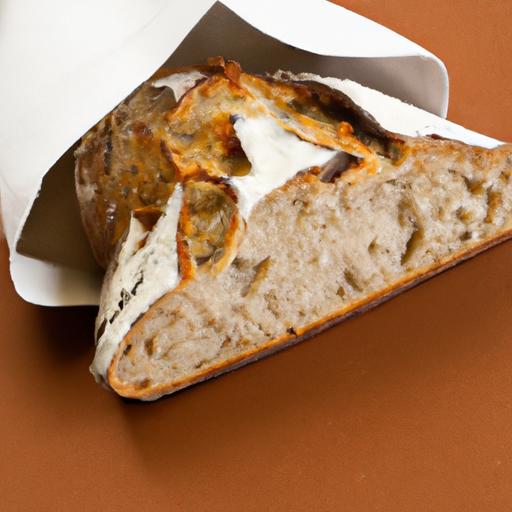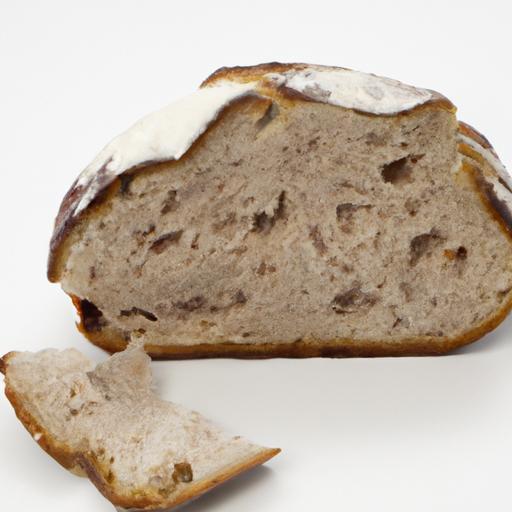
In the ever-evolving world of artisanal bread baking, sourdough stands as a timeless favorite-its tangy complexity and chewy crumb inviting endless creativity.But when dark rye flour enters the scene, a new dimension of flavor and character unfolds. Unlocking the deep, earthy notes and hearty textures of dark rye transforms your sourdough from a simple loaf into a sensory experience rooted in tradition and boldness. In this article, we’ll delve into the art of crafting sourdough with dark rye flour, exploring how this ancient grain not only enhances taste but also shapes the very soul of your bread. Get ready to awaken your palate and elevate your baking to a richly aromatic new level.
Understanding the Unique Characteristics of Dark Rye Flour in Sourdough Baking
Unlocking flavor through dark rye flour offers a sensory journey into the heart of traditional sourdough baking. This distinctive flour, rich in pigments and nutrients, lends your bread a deep, earthy color and an intense, tangy complexity unlike any other grain. Dark rye flour’s high enzyme activity and lower gluten content create an intriguing balance-resulting in a loaf that’s moist yet structured, with a uniquely chewy crumb and a robust aroma that fills the kitchen with every step of fermentation and bake.
Originating from Eastern Europe, rye sourdough has a legacy steeped in hearty, rustic breads designed to sustain through cold climates, and mastering its fermentation unlocks layers of flavor that captivate both novice and seasoned bakers alike.
Prep and Cook Time
- Preparation: 45 minutes (including autolyse and mixing)
- Bulk Fermentation: 4-6 hours at room temperature
- Proofing: 12-16 hours retarded in fridge (optional)
- Baking: 45-50 minutes
Yield
One 1.5-pound loaf (about 10-12 slices)
Difficulty Level
Medium – Ideal for bakers comfortable with sourdough basics seeking to deepen their craft with rye flour.
Ingredients
- 300g dark rye flour,freshly sifted for optimal texture
- 200g bread flour (for gluten structure)
- 350ml filtered water,lukewarm (about 75°F/24°C)
- 100g active sourdough starter (fed and bubbly,100% hydration)
- 10g fine sea salt
Instructions
- Mix the flours and water: Combine the dark rye flour,bread flour,and lukewarm water in a large bowl.stir gently until no dry patches remain. Cover and let it autolyse for 1 hour to hydrate the flour fully-this step enhances enzymatic activity and flavor progress.
- Add starter and salt: Incorporate your active sourdough starter and sea salt into the dough. Mix thoroughly using a wet hand or dough scraper to ensure even distribution. The dough will feel tacky due to rye’s low gluten but resist adding too much water.
- Bulk fermentation (first rise): Cover the bowl with a damp towel and place in a warm spot (around 75°F). Every 30 minutes for the first 2 hours,perform gentle stretch-and-folds by pulling the edges of the dough and folding them into the center-this builds subtle strength in the rye dough.
- Shape and proof: After 4-6 hours of fermentation, transfer the dough onto a well-floured surface. Shape it gently into a tight boule or bâtard, taking care not to overwork. place in a proofing basket lined with a clean cloth dusted with rye or rice flour.Refrigerate for 12-16 hours to develop complex acidity and deepen flavor.
- Preheat oven and bake: preheat your oven to 475°F (246°C) with a Dutch oven or baking stone inside. When ready, invert the proofed dough onto parchment paper. Lightly score the top with a sharp lame or knife to control expansion. quickly transfer into the Dutch oven, cover, and bake for 20 minutes.
- Final bake: Remove the lid and bake an additional 25-30 minutes, reducing the temperature to 450°F (232°C), until the crust is deeply browned and crackly. For a beautifully aromatic loaf, open the oven in the last 5 minutes to let moisture escape.
- Cool completely: Remove bread from the oven and cool on a wire rack for at least 2 hours-this resting period completes the crumb’s texture and lets the flavors settle.
Chef’s Notes: Tips for Success
- Hydration balance is key: Dark rye flour absorbs moisture differently, so adjust water gradually. Too much can create a gummy crumb; too little will limit fermentation.
- Starter strength: For best results, refresh your rye starter 2-3 times over 24 hours before baking to promote vigorous activity.
- Cold proof enhances flavor: The retarded proof in the fridge isn’t just optional-it heightens sourness and develops those signature rye-aromas.
- Flour substitutions: You can experiment with integrating whole wheat flour for nuttier undertones, but keep rye as the dominant flour for authenticity.
- Crust perfection: Adding steam during the first 15 minutes (by placing a pan of hot water in the oven) amplifies crust crunch and glossiness.
Serving Suggestions
The rich, aromatic taste of rye sourdough pairs beautifully with earthy toppings. Slice your loaf thick and serve warm with fresh whipped butter or a smear of creamy avocado.
Add vibrant garnishes like thinly sliced radishes, dill sprigs, or a drizzle of honey for contrast. For a sophisticated touch, open-faced sandwiches with smoked salmon (or grilled mushrooms as an alternative) and a sprinkle of cracked black pepper bring out the bread’s robust character.
this bread also compliments hearty vegetable stews and fermented pickles perfectly, echoing rye’s rustic origins.
| Nutrient | Per Serving (1 slice) |
|---|---|
| Calories | 110 kcal |
| Protein | 4 g |
| Carbohydrates | 22 g |
| Fat | 0.5 g |

Discover advanced sourdough techniques to further refine your baking craft. For in-depth scientific background on rye grain and fermentation, visit Grains.org.
Q&A
Q&A: Unlocking Flavor – Crafting Sourdough with Dark Rye Flour
Q1: What makes dark rye flour a unique choice for sourdough baking?
A1: Dark rye flour is like the deep voice in a chorus-rich, complex, and full-bodied. Its higher mineral content and natural enzymes offer a distinct tang and earthiness that change the character of sourdough dramatically. Unlike traditional wheat flour, dark rye lends a dense crumb and hearty texture, along with a warmly spiced aroma that makes each loaf an experience rather than just bread.
Q2: How does the fermentation process differ when using dark rye flour?
A2: Rye flour is a bit more sensitive than wheat-it ferments faster due to its higher enzyme activity and lower gluten content. This means your sourdough starter can become lively in less time, but beware of overproofing! Rye also produces more lactic and acetic acids, which deepen flavor and create that signature tang. Patience and observation are key; watching the dough’s behavior is more crucial than strict timing.
Q3: Can dark rye sourdough be mixed with other flours?
A3: Absolutely! Many bakers blend dark rye with bread flour or whole wheat to balance structure and flavor. Since rye’s gluten is weaker, blending helps create a loaf with better rise and a lighter crumb, while still preserving rye’s unique taste and color. Experimenting with ratios-from 20% to 50% rye-unlocks different textures and intensities,allowing you to customize your loaf like a true artisan.
Q4: What are some tips for handling the denser rye dough?
A4: Rye dough is stickier and more delicate, so it benefits from gentle handling. Instead of aggressive kneading, use stretch-and-fold techniques to develop structure without tearing those tender rye strands. Also, as rye holds moisture differently, you might need to adjust hydration-typically, a bit less water than you’d use for wheat dough helps keep it manageable.
Q5: How does baking dark rye sourdough affect the final loaf’s crust and crumb?
A5: Rye’s sugars caramelize beautifully in the oven, forming a deeply colored, slightly crackly crust that glows with rustic charm. Inside,expect a moist,tender crumb with tight holes-perfect for spreading creamy toppings or creating hearty sandwiches. The flavor lingers on the palate, a harmonious blend of tang, earth, and subtle sweetness.
Q6: What are some creative ways to enjoy sourdough made with dark rye flour?
A6: Dark rye sourdough is a canvas for bold, comforting flavors. Try it toasted with smashed avocado and a sprinkle of chili flakes, or paired with roasted root vegetables and herbed olive oil. Its robust profile stands up beautifully to nut butters, sharp cheeses, and even sweet accompaniments like honey and figs, making every bite a delightful journey.Q7: How can beginners get started with a dark rye sourdough starter?
A7: starting a rye sourdough culture is surprisingly forgiving! Rye flour encourages rapid fermentation,so mix equal parts water and dark rye flour and let nature do its magic. Feed it regularly, keep it warm but not hot, and watch for bubbly activity. Soon, you’ll have a lively starter bursting with tangy potential-a perfect partner for your baking adventures.
Unlocking the secrets of dark rye flour in sourdough baking invites you to celebrate the complexities of flavor and texture. Each loaf becomes a story, whispered through layers of natural fermentation, waiting to be shared at the table.
To Wrap It Up
As the final crumb falls away and the aroma of your dark rye sourdough lingers in the air,you’ve not only crafted a loaf-you’ve unlocked a world of rich,complex flavors that tell a story of tradition and innovation. Dark rye flour, with its deep, earthy notes and robust character, transforms simple ingredients into a sensory experience that transcends the ordinary. Whether you’re a seasoned baker or a curious novice, embracing this ancient grain opens the door to new textures and tastes, inviting you to savor every bite. So next time you embark on your sourdough journey,let dark rye be your secret ingredient-becuase sometimes,the richest flavor comes from delving a little deeper into the grain.