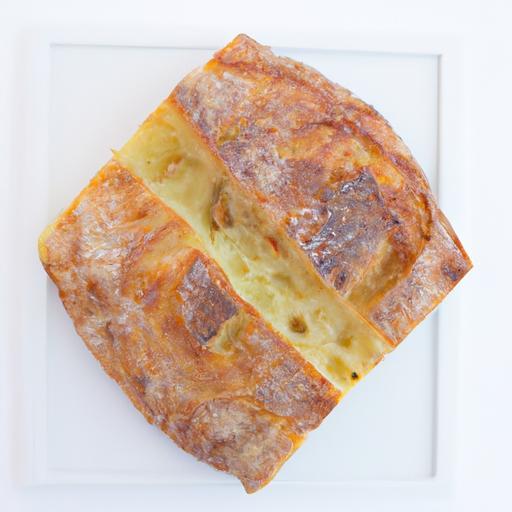
There’s something undeniably magical about sourdough focaccia-a golden canvas where time-honored tradition meets rustic charm, resulting in a melody of crisp textures and tangy, flavorful depths. Mastering this art is more than just mixing flour and water; it’s a journey that invites patience, intuition, and a touch of culinary alchemy.In this article, we’ll unravel the secrets behind that perfectly blistered crust, the airy crumb that melts on your tongue, and the harmonious dance of savory herbs and sea salt. Prepare to embark on a crispy flavor journey that transforms humble ingredients into an extraordinary centerpiece for any table.
Mastering sourdough focaccia is a passion that blends time-honored tradition with artistic flair, inviting you into a world where crispiness meets bursting flavor in every tender bite. This artisanal bread,rooted deeply in Italian heritage,captivates hearts with its golden,crackling crust and soft,airy crumb-a perfect canvas for layering aromatic herbs,bold toppings,and unique flavor infusions. Whether it’s your first foray or a seasoned baker’s pursuit, cultivating the perfect sourdough starter is the linchpin to unlocking truly transformative focaccia crusts that crackle gloriously as you slice.
Prep and Cook Time
- Preparation time: 30 minutes (active) + 24 hours (starter fermentation)
- Proofing & rising: 6-8 hours
- Baking time: 25-30 minutes
- Total time: Approximately 36 hours including starter cultivation
Yield
one large focaccia (10 x 14 inches), serving 6-8 people.
Difficulty Level
Medium – requires patience and attention, but beginner-friendly with clear guidance.
Ingredients
- For the sourdough starter:
- 1/4 cup whole wheat flour, organic if possible
- 1/4 cup filtered water, room temperature
- For the focaccia dough:
- 3 1/2 cups bread flour, sifted
- 1 1/4 cups water, lukewarm (about 75°F)
- 1/2 cup active sourdough starter (fed and bubbly)
- 2 tsp fine sea salt
- 1/4 cup extra virgin olive oil, plus more for drizzling
- Fresh rosemary sprigs, roughly chopped (about 2 tbsp)
- Coarse sea salt flakes (for topping)
- Optional flavor infusions and toppings:
- Thinly sliced garlic cloves
- Cherry tomatoes, halved
- Kalamata olives, pitted and halved
- Caramelized onions
- Za’atar spice mix
Instructions
- Create your sourdough starter: In a clean glass jar, mix 1/4 cup whole wheat flour with 1/4 cup filtered water until smooth. Cover loosely with a breathable cloth. Keep at room temperature (70-75°F). Feed daily by discarding half and replenishing with equal parts flour and water. After 5-7 days, look for bubbles and a pleasant tangy aroma-your starter is ready.
- Mix the dough: In a large bowl, combine 3 1/2 cups bread flour and 1 1/4 cups lukewarm water. Stir until just combined; this is your autolyse phase to activate gluten.
- Add active sourdough starter: Incorporate 1/2 cup bubbly starter and 2 tsp sea salt. Mix gently, then drizzle in 1/4 cup olive oil. Knead lightly in the bowl for 5 minutes until the dough is supple but sticky. Don’t overwork it to preserve air bubbles.
- Bulk ferment: Cover the bowl with a damp towel and let it rise 6-8 hours at room temperature, folding gently every 2 hours to strengthen the gluten. You’ll notice the dough doubles with a subtle airy texture.
- Prepare baking pan: Generously oil a rimmed baking sheet (10 x 14 inches) with extra virgin olive oil to achieve that signature crispy crust.
- Shape and proof: Transfer the dough into the pan, stretching it gently to fit without deflating. Cover with plastic wrap and let it proof for 1-2 hours. Use your fingertips to dimple the dough deeply, embracing uneven surfaces that trap olive oil and toppings beautifully.
- Flavor infusion: Scatter fresh rosemary, coarse sea salt flakes, and your choice of toppings such as garlic slices or halved cherry tomatoes over the dough. Drizzle liberally with olive oil to encourage crisping and flavor layering.
- Bake at 450°F (230°C): Place in the center of a preheated oven. Bake for 25-30 minutes until the crust turns golden brown and crackles audibly when tapped. Rotate the pan halfway for even coloring.
- Cool and store: Allow focaccia to cool on a wire rack for at least 20 minutes to firm up the crust fully. Store wrapped in a linen towel at room temperature up to 2 days or freeze in airtight containers for longer preservation.
Tips for Success
- Starter vitality: A lively starter makes all the difference. Feed it consistently and look for active bubbling before baking.
- Hydration levels: Slightly wetter dough yields a more open crumb and crisp crust. Don’t hesitate to add an extra tablespoon of water during mixing if needed.
- Olive oil quality: Use robust extra virgin olive oil for that deep, fruity aroma that defines focaccia’s soul.
- Flavor balance: Experiment with toppings but avoid overcrowding. Let each ingredient shine while contributing to the overall crispiness.
- Storage tip: To revive leftover focaccia’s crispness, warm in a preheated skillet or oven for 5 minutes before serving.
Serving Suggestions
Slice your masterpiece into generous squares or strips. Pair with a vibrant salad drizzled with lemon and herbs, or alongside bowls of rustic tomato soup. Garnish with fresh basil leaves or a sprinkle of flaky sea salt to enhance each bite’s texture. For an indulgent twist, serve with a side of whipped ricotta and a drizzle of honey, creating an irresistible balance of savory and sweet.

| Nutrient | Amount per Serving |
|---|---|
| Calories | 260 kcal |
| Protein | 6 g |
| Carbohydrates | 38 g |
| Fat | 8 g |
For a deeper understanding of sourdough starter maintenance and expert tips, visit King Arthur Baking’s comprehensive guide.
Explore other flavorful bread recipes like our Classic Italian Pane di Altamura to expand your artisanal baking repertoire.
Q&A
Q&A: Mastering Sourdough Focaccia: A Crispy Flavor journey
Q1: What makes sourdough focaccia different from regular focaccia?
A1: Sourdough focaccia stands apart thanks to its natural fermentation process, which uses wild yeast and lactic bacteria rather of commercial yeast. This gives the bread a complex, tangy flavor and a wonderfully airy crumb, all wrapped in a delectably crispy crust. It’s a flavor journey born from patience and tradition.
Q2: How important is the hydration level in sourdough focaccia dough?
A2: Hydration is key! A higher hydration dough-typically around 75-80% water relative to flour-creates those signature large, irregular air pockets and a light, chewy texture. It also helps develop that golden, crackly crust. Don’t be afraid of a wet dough; it’s the secret behind focaccia’s irresistible softness inside with a crisp exterior.Q3: What strain of flour works best for sourdough focaccia?
A3: A combination of bread flour and all-purpose flour frequently enough strikes a perfect balance.Bread flour provides the strong gluten needed for structure and chew, while all-purpose flour adds tenderness. For an added depth of flavor and texture, some bakers blend in a bit of whole wheat or rye flour, introducing nutty undertones and extra nutrients.
Q4: How do you achieve that signature dimpled surface on focaccia?
A4: The secret is in the fingers! Just before the final rise, gently press your fingertips into the dough, creating dimples that not only look gorgeous but also cradle pools of olive oil, herbs, and other toppings.These indentations encourage a lovely, crisp crust and keep the focaccia moist and flavorful in every bite.
Q5: which toppings complement sourdough focaccia without overpowering its flavor?
A5: Simplicity is the name of the game. Classic toppings include flaky sea salt, fresh rosemary, and generous drizzles of quality olive oil. For a creative twist, try thinly sliced cherry tomatoes, caramelized onions, kalamata olives, or roasted garlic cloves. These enhance the bread’s natural tang without stealing the spotlight.
Q6: How long does the fermentation process take,and why is it crucial?
A6: Fermentation can take anywhere from 8 to 24 hours,depending on the temperature and strength of your starter. Slow fermentation is crucial as it develops complex flavors, improving both taste and texture. Think of it as a slow dance between flour, water, and wild yeast, culminating in a harmonious, crispy masterpiece.
Q7: Can sourdough focaccia be made ahead of time?
A7: Absolutely! You can prepare the dough the day before and let it ferment slowly in the refrigerator. this ”cold ferment” intensifies flavor and allows you to bake fresh focaccia whenever you crave it.Just remember to bring the dough back to room temperature and give it a final rise before baking for best results.
Q8: What’s the best way to bake sourdough focaccia to achieve a crispy crust?
A8: Baking at a high temperature-around 450°F (230°C)-on a preheated baking stone or sheet helps mimic a wood-fired oven’s intense heat. Don’t skimp on olive oil, both in and on top of the dough; it encourages beautiful browning and a satisfyingly crisp exterior.Keep an eye on your focaccia during the last few minutes to avoid over-browning.
Q9: How should sourdough focaccia be stored to maintain its crispness?
A9: To enjoy its crisp crust, consume sourdough focaccia fresh or within a day. If you must store it, wrap it loosely in parchment or a clean tea towel to keep the crust from becoming soggy. Reheat gently in a warm oven for a few minutes to refresh its texture before serving.
Q10: what’s one common mistake to avoid when making sourdough focaccia?
A10: Overhandling the dough after the bulk fermentation is a common pitfall. Too much kneading or pressing can deflate the precious air bubbles, resulting in a dense focaccia. Instead, handle the dough gently-embracing its sticky and airy nature-so that every bite is light, flavorful, and crisp.
The Conclusion
As you close the oven door on your latest batch of sourdough focaccia, take a moment to savor the journey-the gentle rise of the dough, the aromatic dance of herbs and olive oil, and that first irresistible crunch. Mastering sourdough focaccia is more than just baking; it’s an artful exploration of patience, texture, and flavor that transforms simple ingredients into a crispy masterpiece. With each loaf, you’ll deepen your understanding of fermentation’s magic and unlock new layers of taste that delight both the palate and the soul. So keep experimenting, let your senses guide you, and above all, enjoy every crispy, flavorful bite of your handcrafted creation.