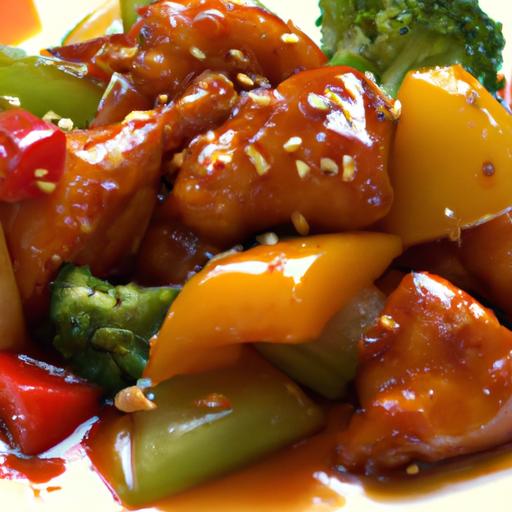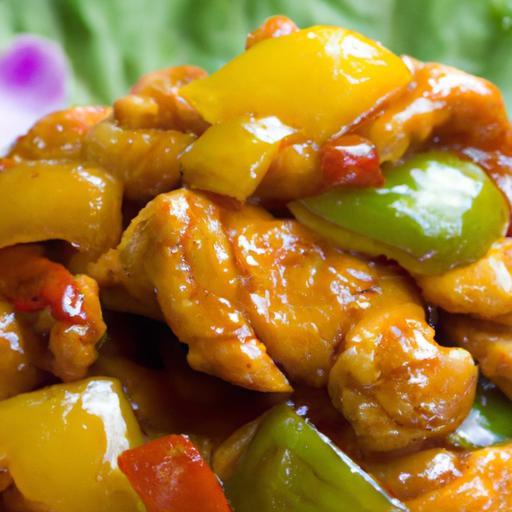
In the vibrant tapestry of Chinese cuisine, few dishes dance on the palate quite like sweet and sour chicken. this beloved classic, with its glossy coats of tangy sauce and crispy golden bites, tells a flavorful story that stretches far beyond its cheerful colors. “The Tangy Tradition: Exploring Chinese Sweet and Sour Chicken” invites you on a culinary journey thru history, culture, and technique-unraveling how this iconic dish evolved from humble origins into a global favorite. Join us as we peel back the layers of sweet and sour harmony to discover the secrets behind every crunchy morsel and the rich tradition it represents.
The Tangy Tradition: Exploring chinese Sweet and Sour Chicken invites you into a world where shining flavors meet crispy textures, celebrating a dish that has captivated taste buds around the globe. Originating from Cantonese culinary roots, this dish was crafted to balance the harmonious play of sweetness and acidity-a hallmark of much of Southern Chinese cuisine.My first encounter with sweet and sour chicken was at a bustling Chinatown street fair, where the tantalizing aroma of caramelized pineapple and golden fried chicken first hooked me. As then, perfecting that tangy balance at home has become a tasty adventure, one that I’m excited to share with you.
Prep and Cook Time
- Preparation: 20 minutes
- Cooking: 15 minutes
- Total: 35 minutes
Yield
Serves 4 hungry guests
Difficulty Level
Medium – a satisfying challenge suitable for home cooks eager to master Chinese flavors
Key Ingredients that Define the Perfect Tangy Balance
- 1 lb boneless,skinless chicken breasts,cut into bite-sized cubes
- 1 cup cornstarch,for a crisp,golden coating
- 2 large eggs,lightly beaten
- 1 cup pineapple chunks (fresh or canned,well-drained)
- 1 large red bell pepper,sliced into strips
- 1 small white onion,quartered
- 1/4 cup rice vinegar – brings bright acidity
- 1/2 cup ketchup – a sweet base with tomato richness
- 1/3 cup packed brown sugar – balances tartness with caramel warmth
- 2 tablespoons soy sauce – adds umami depth
- 1 teaspoon garlic powder – subtle aromatic sweetness
- 1 teaspoon ginger powder – warming spice lift
- 1/2 cup water,to blend the sauce
- 2 tablespoons vegetable oil,for frying
- 2 teaspoons cornstarch mixed with 2 tablespoons water (slurry),to thicken the sauce
Conventional Cooking Techniques and Modern Twists
The magic lies in the crispy fried chicken-achieved by the classic toss in cornstarch followed by a light dip in beaten egg for adherence and crunch. The stir-fried vegetables and pineapple impart vibrant textures and fresh bursts of flavor. Traditionally cooked over high heat in a wok to ensure quick frying and a bright, glossy sauce, this dish welcomes modern twists like oven-frying or air-frying the chicken for a lighter take without sacrificing crispiness. The sauce harmonizes sweet tangy notes using simple pantry ingredients,but feel free to experiment by adding fresh grated ginger or a hint of chili for a subtle spicy kick.
instructions
- Prepare the chicken: Pat dry the chicken pieces. In a bowl, coat the chicken evenly with cornstarch.
- Dip the chicken: Dip the coated chicken pieces into the beaten eggs, ensuring an even layer.
- Fry the chicken: Heat vegetable oil in a deep pan or wok over medium-high heat. Fry the chicken in batches untill golden brown and cooked through, about 4-5 minutes per batch. Transfer to paper towels to drain excess oil.
- Prepare the sauce: In a small bowl, whisk together rice vinegar, ketchup, brown sugar, soy sauce, garlic powder, ginger powder, and water.
- Cook the vegetables: In a large pan or wok, heat 1 tablespoon vegetable oil over medium-high heat. Sauté onion and bell pepper until slightly tender, about 3-4 minutes.
- Add pineapple and sauce: Toss in pineapple chunks, then pour in the sauce mixture.Bring to a simmer.
- Thicken the sauce: Stir in the cornstarch slurry slowly while simmering until the sauce thickens and achieves a shiny, sticky consistency, about 2 minutes.
- Combine chicken and sauce: Add the fried chicken to the sauce, gently tossing to coat every bite with the luscious glaze. Cook for an additional minute to meld flavors.
- Serve immediately: Garnish with thinly sliced green onions or toasted sesame seeds for an added layer of texture and fresh aroma.
Tips for Making Authentic Sweet and Sour Chicken at home
- Chicken choice: Opt for fresh, boneless chicken breasts or thighs-the latter offers juiciness and tenderness.
- Cornstarch coating: Use cornstarch alone for that quintessential crispy texture, avoiding flour which can weigh the batter down.
- Oil temperature: Maintain steady medium-high heat to prevent soggy chicken. Use a thermometer if possible (around 350°F/175°C is ideal).
- Sauce consistency: The cornstarch slurry is key for that glossy finish; add it little by little to avoid over-thickening.
- make ahead: Pre-fry chicken and keep it on a wire rack to stay crisp; reheat briefly in a hot pan with sauce when ready to serve.
- Vegetable variations: Try adding snap peas or carrot slices for colour and crunch diversity.
- Healthier twist: Air-fry chicken cubes for less oil while retaining that crispy charm.
serving Suggestions
Serve this dish steaming hot with a side of fluffy jasmine rice or vegetable fried rice to absorb the vibrant sauce. For a refreshing counterbalance, pair with a light cucumber salad or steamed bok choy dressed simply with a splash of soy and sesame oil. Garnish with chopped green onions, toasted sesame seeds, or even a few sprigs of fresh cilantro for a fresh herbal pop. Capture the inviting colors and textures by plating on a white or blue ceramic dish-your guests will be drawn to that irresistible golden crunch and fiery red sauce.

| Nutrient | Per Serving |
|---|---|
| Calories | 410 kcal |
| Protein | 35 g |
| Carbohydrates | 45 g |
| Fat | 12 g |
For further insight into authentic Chinese cooking techniques and flavor layering, check out our Guide to Cantonese Cooking. To deepen your appreciation of vinegar’s role in Asian cuisine, explore this detailed article from Britannica.
Q&A
Q&A: The Tangy Tradition – Exploring Chinese Sweet and Sour chicken
Q1: What makes sweet and sour chicken such an iconic dish in Chinese cuisine?
A1: Sweet and sour chicken is a brilliant culinary ambassador, perfectly balancing the yin and yang of flavors-tangy, sweet, and savory notes harmonize in every bite. Its vibrant sauce and crispy chicken pieces embody the Chinese ideology of balancing taste and texture, making it a beloved dish both in China and worldwide.
Q2: How did sweet and sour chicken originate?
A2: The origins of sweet and sour dishes trace back to ancient China, where cooks mastered the art of flavor contrast. Sweet and sour chicken as we certainly know it today evolved notably in Cantonese cuisine, famed for its bold yet balanced tastes. The dish combines tangy vinegar and sugar with savory soy sauce to awaken the palate.
Q3: What are the key ingredients that define sweet and sour chicken?
A3: At its heart, sweet and sour chicken features tender, bite-sized pieces of chicken-often lightly battered and fried until golden and crispy. The sauce is a lively blend of vinegar, sugar, tomato ketchup or paste, soy sauce, and sometimes pineapple juice, delivering a perfect dance of zest and sweetness. Fresh vegetables like bell peppers, onions, and pineapple chunks often join the party, adding color and crunch.
Q4: Why is the texture of the chicken notable in this dish?
A4: Texture is everything! The contrast between the crispy exterior and juicy interior of the chicken creates a delightful mouthfeel. The coating acts as a barrier, keeping the meat moist while providing a satisfying crunch that complements the silky smoothness of the glossy, tangy sauce.
Q5: Can sweet and sour chicken be adapted for different tastes or dietary preferences?
A5: Absolutely! While the classic recipe adheres to a balanced sweet and sour profile, you can tweak the sugar and vinegar ratio for more zing or subtlety. For a lighter version, baking instead of frying still preserves flavor with less oil. Additionally, swapping chicken for tofu or chicken breast can accommodate various textures while staying true to the dish’s essence.
Q6: How is sweet and sour chicken typically served?
A6: Traditionally, sweet and sour chicken pairs beautifully with steamed white rice, which acts as a neutral canvas for the bold sauce. Sometimes it’s accompanied by fried rice or noodles to further complement its sweet-tart character. It’s often the centerpiece at Chinese banquets and family dinners, celebrated for its universally appealing flavors.
Q7: What cultural importance does sweet and sour chicken hold?
A7: Beyond its taste, sweet and sour chicken reflects the Chinese culinary value of balance-combining different flavors, colors, and ingredients to create harmony. It also highlights the ingenuity of Chinese immigrants who adapted traditional techniques to new ingredients abroad,turning sweet and sour chicken into a global comfort food with deep cultural roots.
Q8: Are there regional variations of sweet and sour chicken within China?
A8: yes! While the Cantonese version is the most famous,other regions bring their twist. some areas may emphasize fruitiness using fresh pineapples or vinegar varieties, while others focus on spice levels or thicker sauces. These regional nuances showcase the versatility and adaptive spirit of Chinese cooking traditions.
Q9: What tips can home cooks follow to nail perfect sweet and sour chicken?
A9: The secret lies in preparation and timing: ensure the chicken pieces are evenly coated and fried at the right temperature for crispiness without greasiness. Simultaneously occurring,prepare the sauce ahead to combine flavors smoothly. Tossing the chicken in the sauce just before serving keeps the crust crispy and the dish vibrant.
Q10: Why does sweet and sour chicken continue to captivate taste buds worldwide?
A10: Its universal appeal lies in the joyful explosion of flavors-a playful tug-of-war between tang and sweet, a crispy-meets-tender texture, and a visually inviting palette. This dish is comfort and celebration rolled into one, evoking nostalgia and exciting the taste buds simultaneously. It’s a timeless testament to the magic achieved when simplicity meets creativity.
Closing Remarks
As we close the chapter on the tangy tradition of Chinese sweet and sour chicken, it’s clear that this vibrant dish is much more than just a flavorful combination of contrasting tastes.It’s a culinary story that marries history,culture,and innovation on one plate-inviting us to savor not only its crispy textures and bright sauces but also the rich heritage that has shaped it through generations. Whether enjoyed at a bustling street market in China or recreated in kitchens around the world, sweet and sour chicken continues to delight and inspire, reminding us that sometimes, the most unforgettable flavors come from the perfect balance of opposites. So next time you reach for that glossy, crimson-coated bite, remember: you’re tasting a timeless tradition, lovingly crafted to dance on the palate and celebrate the enduring art of Chinese cuisine.