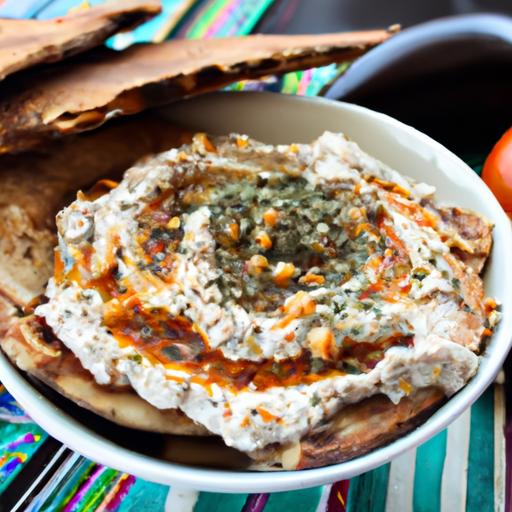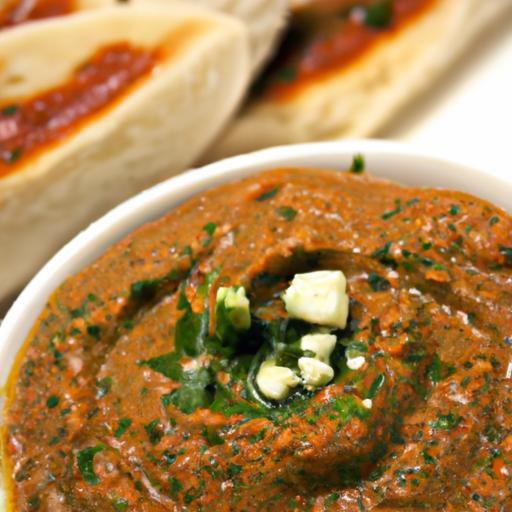
Nestled within the vibrant tapestry of Middle Eastern cuisine lies a gem that dances on the palate and tells a story of rich tradition-Syrian Muhammara. This fiery yet luscious dip, crafted from roasted red peppers, walnuts, and a medley of spices, brings a symphony of flavors that is both bold and comforting. Paired perfectly with warm, smoky grilled flatbread, Muhammara invites you to experience a culinary journey that transcends borders. Whether you’re a seasoned food explorer or a curious newcomer, discovering syrian Muhammara is an invitation to savor the spicy heart of Syria, one irresistible bite at a time.
Origins and Cultural Significance of Syrian Muhammara in Syrian Cuisine
Discover Syrian Muhammara as a vibrant expression of Syrian heritage, where fiery spice meets smoky sweetness. This distinctive dip hails from Aleppo, a city renowned for its rich culinary traditions that blend Mediterranean and Middle Eastern influences. Traditionally enjoyed as part of a meze platter, muhammara is more than just a spicy dip-its a symbol of warmth, hospitality, and communal dining that connects friends and family around the table.
Crafted with roasted red peppers and walnuts, muhammara carries a deep, smoky flavor enhanced by subtle Middle Eastern spices like Aleppo pepper and cumin. The dish’s cultural significance stems from its role in celebrations and everyday meals alike, reflecting centuries of Syrian resilience and culinary artistry. Each ingredient tells a story of local agriculture and trade routes, making muhammara a flavorful journey into Syrian history and heart.
Key Ingredients That Bring Flavor and Spice to Syrian Muhammara
- Roasted red bell peppers: The smoky sweetness forms the dip’s lush base.
- Walnuts: Provide a buttery texture and earthy depth that balances spice.
- Olive oil: Adds richness and silkiness, highlighting each spice.
- Aleppo pepper: Delivers a moderate heat with fruity undertones, quintessential to authentic muhammara.
- Pomegranate molasses: Injects a tangy, sweet complexity that sets muhammara apart.
- Garlic and ground cumin: Infuse warmth and aromatic layers essential to Middle Eastern flavor profiles.
- Fresh lemon juice: Brightens the dip, balancing richness and heat with zesty freshness.
- Bread crumbs: Help bind the ingredients while contributing a subtle texture.
Step-by-Step Guide to Preparing Authentic Syrian Muhammara at Home
With simple ingredients and straightforward technique,you can master this fiery classic and bring a taste of Syria to your table.
- Roast the red bell peppers: Place whole peppers under a broiler or on an open flame,turning until blackened on all sides. Transfer to a bowl, cover tightly to steam for 15 minutes, then peel off skins and remove seeds for a silky finish.
- Toast walnuts: in a dry skillet over medium heat,toast 1 cup walnuts until fragrant and lightly golden (about 5 minutes),stirring to avoid burning.
- combine ingredients: In a food processor, pulse the roasted peppers, toasted walnuts, 3 tablespoons olive oil, 2 tablespoons pomegranate molasses, 1 teaspoon Aleppo pepper, 1 minced garlic clove, 1 teaspoon ground cumin, 2 tablespoons bread crumbs, and juice of half a lemon until smooth but still slightly textured.
- Adjust seasoning: Taste and add salt (about ¾ teaspoon) and additional spices or lemon juice as desired. Pulse a few more times to blend thoroughly.
- Chill and meld flavors: Refrigerate for at least 30 minutes before serving to let the flavors deepen and meld harmoniously.
Perfect Pairings Exploring the best Grilled Flatbreads for Serving Syrian Muhammara
No experience of muhammara is complete without fresh, warm flatbread to scoop up its vibrant layers. Syrian cuisine features an array of breads that complement the dip’s spicy-sweet profile perfectly:
- Khubz Arabi (Arabic pita): Soft, pocketed, and slightly chewy, ideal for wrapping around a generous dollop of muhammara.
- Markook: thin and unleavened, this paper-thin flatbread crisps beautifully when lightly grilled, adding a delicate crunch against the creamy dip.
- Manakeesh: Leavened with za’atar or simply plain, this thicker flatbread offers a flavorful canvas and hearty texture.
Grilling these breads over open flame or a hot skillet adds a subtle char and smoky aroma that elevate every bite. For a luscious finish, brush olive oil and sprinkle sesame seeds before warming.
Prep and Cook Time
- Readiness: 15 minutes (plus 15 minutes to peel roasted peppers)
- Cooking: 10 minutes (toasting walnuts and blending)
- Total: 40 minutes
Yield
Approximately 2 cups of muhammara, serving 4 as an appetizer or side dip.
Difficulty Level
Easy to Medium – Simple steps with room to adjust seasoning for your preferred heat and texture.
Ingredients
- 3 large red bell peppers (roasted, peeled, and seeded)
- 1 cup walnuts (toasted)
- 3 tablespoons extra-virgin olive oil
- 2 tablespoons pomegranate molasses
- 1 teaspoon Aleppo pepper (or mild crushed red pepper)
- 1 teaspoon ground cumin
- 1 garlic clove (minced)
- 2 tablespoons fine bread crumbs
- Juice of half a lemon
- Salt to taste (approx. ¾ teaspoon)
Instructions
- Roast the bell peppers over high heat until charred,then steam and peel to remove skins.
- Toast walnuts in a dry skillet until aromatic and golden.
- Pulse all ingredients except salt and lemon juice in a food processor until combined but slightly chunky.
- Season with salt and lemon juice, then pulse briefly to incorporate.
- Chill dip for at least 30 minutes to enhance flavors.
- Serve with grilled flatbreads for an authentic experience.
Tips for Success
- Customize your heat: Adjust aleppo pepper quantity or add a pinch of cayenne to boost spice.
- Swap nuts: Pistachios or almonds can provide different textures but keep walnuts customary.
- Make ahead: Store refrigerated up to 3 days; flavors intensify beautifully overnight.
- Roasting peppers: Use a grill or broiler for best smokiness; avoid boiling which dulls flavor.
- Bread crumbs: Use fresh breadcrumbs from rustic bread for natural absorbency and texture.
Serving Suggestions
Plate muhammara in a shallow bowl, drizzle with olive oil, and sprinkle with chopped fresh parsley or toasted pine nuts. Serve alongside grilled flatbreads such as khubz arabi or markook warmed to perfection. Add a scattering of pomegranate seeds for bursts of juicy tang and a touch of color. Complement your platter with olives, labneh, and fresh herbs for a truly immersive Syrian appetizer spread.
| Nutrient | Per Serving (¼ cup) |
|---|---|
| Calories | 140 |
| Protein | 3g |
| Carbohydrates | 6g |
| Fat | 12g |
Discover more Middle Eastern appetizers that pair effortlessly with muhammara. For additional cultural insights on Aleppo cuisine, visit Wikipedia’s Muhammara page.

Q&A
Q&A: Discover Syrian Muhammara – Spicy Dip with Grilled Flatbread
Q1: What exactly is muhammara?
A1: Muhammara is a vibrant, spicy dip that hails from Syria, beloved across the Levant. It’s crafted from roasted red peppers, walnuts, breadcrumbs, and a perfect balance of bold spices, creating a rich texture with layers of smoky, tangy, and nutty flavors. This dip is a true celebration of Middle Eastern culinary artistry.
Q2: How spicy is Muhammara? will it overpower my palate?
A2: Muhammara strikes a delightful balance when it comes to heat. While it has a noticeable kick thanks to Aleppo pepper or chili flakes, its warmth is mellowed by the sweetness of roasted red peppers and the creamy earthiness of walnuts. It’s approachable but definitely exciting for spice enthusiasts!
Q3: Why are walnuts used in Muhammara? Could I substitute them?
A3: Walnuts contribute both texture and a subtle richness that sets Muhammara apart from othre dips.They add a satisfying crunch and a slightly bitter note that complements the sweet peppers. If allergies or preferences require a substitute, toasted almonds or pecans can work well, though the flavor will shift slightly.
Q4: What’s the best way to enjoy Muhammara?
A4: traditional enjoyment involves scooping it up with freshly grilled flatbread,such as pita or laffa,making each bite a smoky,spicy delight. Muhammara also pairs beautifully as a condiment alongside grilled vegetables, roasted meats, or even as a spread on sandwiches and wraps.
Q5: How can I make Muhammara at home? Any tips for beginners?
A5: Start by roasting fresh red bell peppers until their skins blister and char, then peel and blend them with toasted walnuts, garlic, olive oil, lemon juice, and a touch of pomegranate molasses for tangy sweetness. Toasting the walnuts beforehand enhances their flavor. For a smoother dip, blend longer; for rustic texture, pulse less. Adjust spices gradually to match your taste.
Q6: Is Muhammara healthy? What nutritional benefits does it offer?
A6: Muhammara is surprisingly nutritious! It’s packed with vitamins A and C from red peppers, heart-healthy fats from walnuts and olive oil, and a good dose of fiber. It’s a flavorful way to include wholesome ingredients in your diet without compromising on taste.
Q7: Can Muhammara be stored or made ahead of time?
A7: Absolutely! Muhammara actually tastes better the next day as the flavors meld together. Keep it in an airtight container in the refrigerator for up to a week. Bring it to room temperature before serving and drizzle with a little fresh olive oil for a glossy finish.
Q8: What sets Muhammara apart from other Middle Eastern dips like hummus or baba ganoush?
A8: While hummus highlights creamy chickpeas and baba ganoush showcases smoky eggplant, muhammara shines with roasted red peppers and crunchy walnuts, offering a deep, sweet, and spicy profile. Its unique combination of ingredients and textures make it a standout on any mezze platter.Q9: Is muhammara traditionally vegan and gluten-free?
A9: Muhammara is naturally vegan, made entirely from plant-based ingredients. Traditional recipes often incorporate breadcrumbs, which may not be gluten-free. To make it gluten-free, simply substitute regular breadcrumbs with gluten-free varieties or omit them altogether; the dip remains deliciously rich and textured.
Q10: Where does the name “Muhammara” come from?
A10: The word “Muhammara” translates roughly to “reddened” or “colored red” in Arabic, highlighting the dip’s signature vibrant hue derived from the roasted red peppers.It’s a simple name for a dish bursting with color and flavor!
Final Thoughts
As you’ve uncovered, Muhammara is more than just a spicy dip-it’s a vibrant tapestry of Syrian flavors that brings warmth and zest to any table. Paired with the smoky allure of grilled flatbread, this dish invites you to experience a culinary journey rooted in tradition yet delightfully accessible to adventurous palates everywhere. Whether you’re sharing it with friends or savoring a solo snack, Muhammara is a reminder that sometimes, the simplest ingredients-roasted red peppers, walnuts, pomegranate molasses-can come together to create something truly unforgettable. So next time you crave a dip that’s bold, balanced, and bursting with character, let Muhammara be your flavorful passport to the heart of Syrian cuisine.